Our Jacksonville, FL SEO, Web Design, Social Media, and Digital Marketing Services are sure to deliver results. We are completely aligned with our clients in that the only reason one should partner with an Online Marketing Agency is to increase the amount of money the business makes.
Every week users submit a lot of interesting stuff on our sister site Webdesigner News, highlighting great content from around the web that can be of interest to web designers.
The best way to keep track of all the great stories and news being posted is simply to check out the Webdesigner News site, however, in case you missed some here’s a quick and useful compilation of the most popular designer news that we curated from the past week.
Note that this is only a very small selection of the links that were posted, so don’t miss out and subscribe to our newsletter and follow the site daily for all the news.
The Sushi Design System
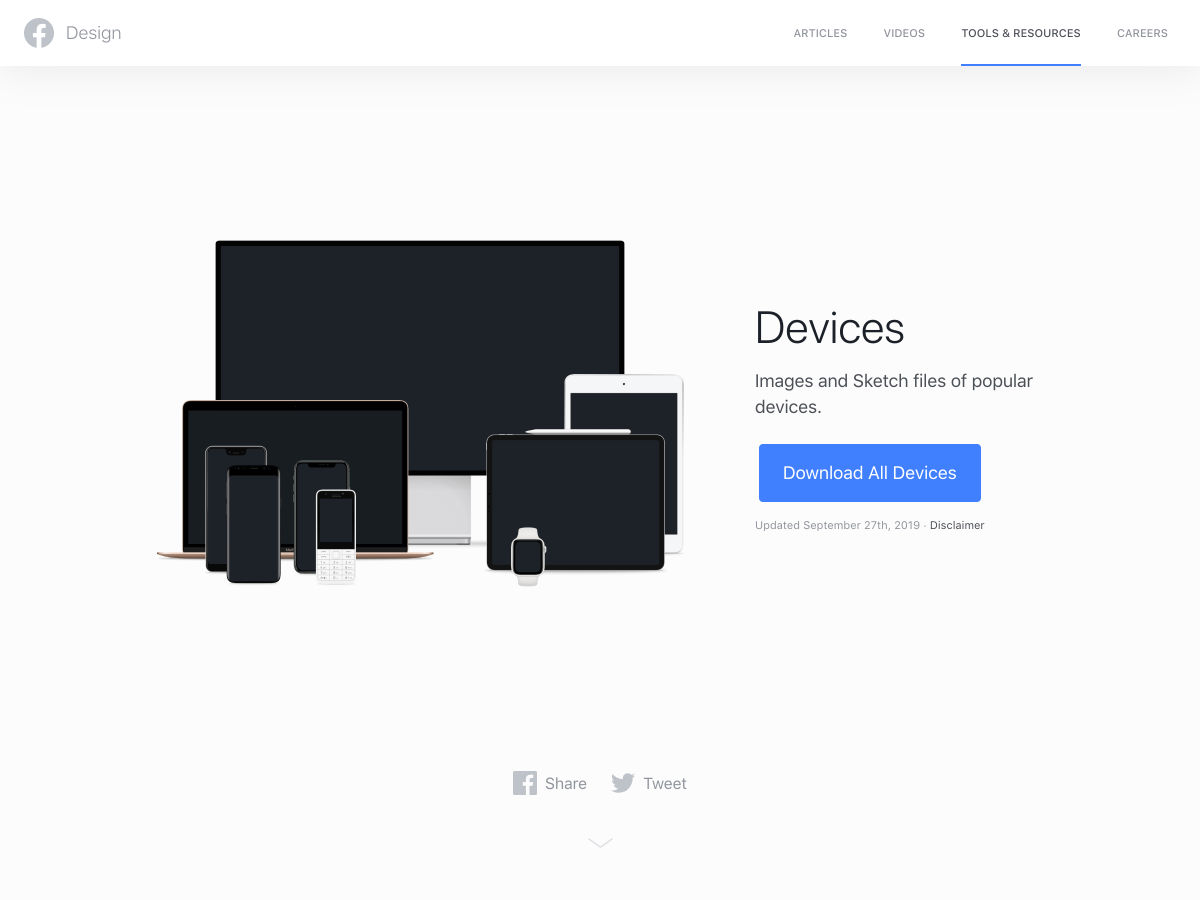
Facebook Design – Devices
10 Best Web Fonts that Look Great at Small Sizes
A Guide to Implementing Dark Modes on Websites
Why Toggle Tokens are a Better Alternative to Checkboxes
Sass Style Guides
Collection: Graphic Design Resources
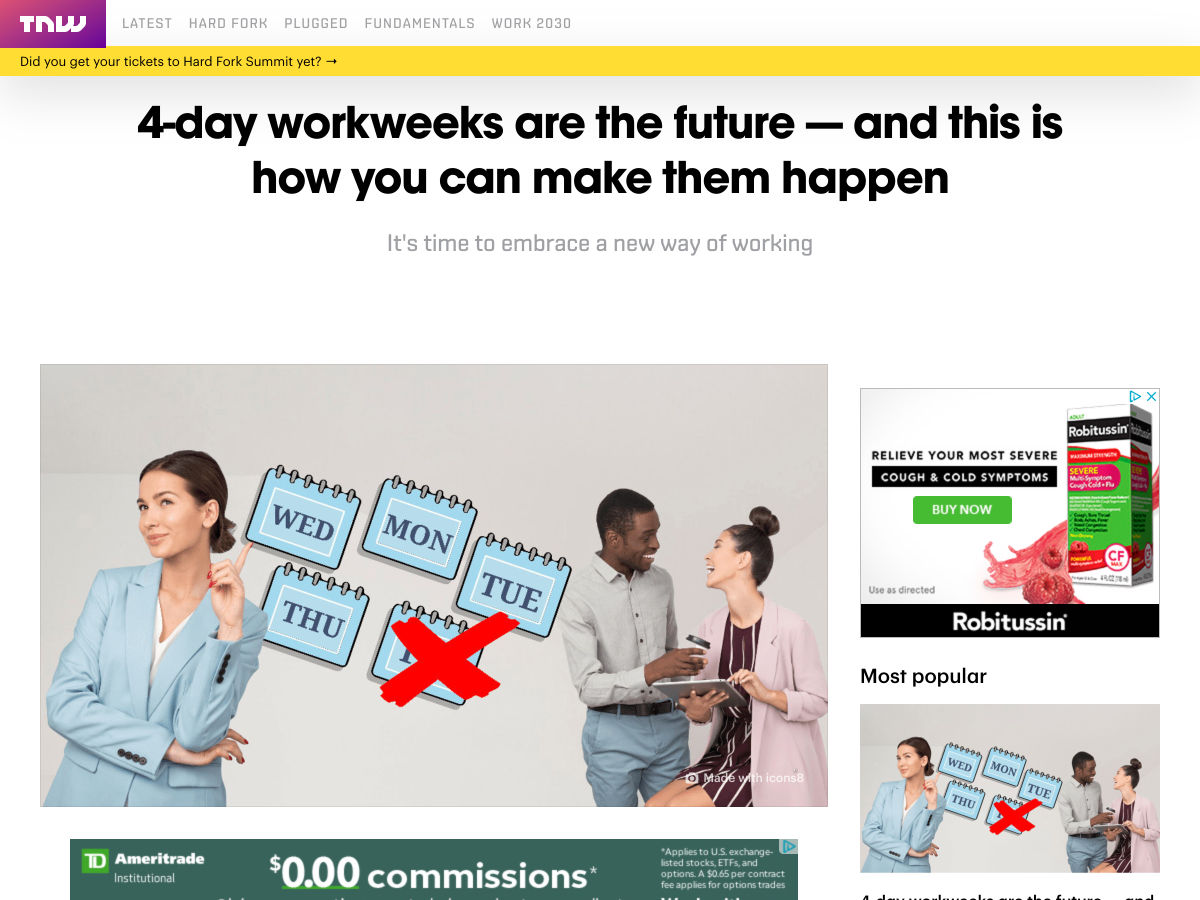
4-day Workweeks are the Future – And this is How You Can Make Them Happen
Practicing Growth Design
Morena Font – Free Simple, Clean and Elegant Sans Serif Font
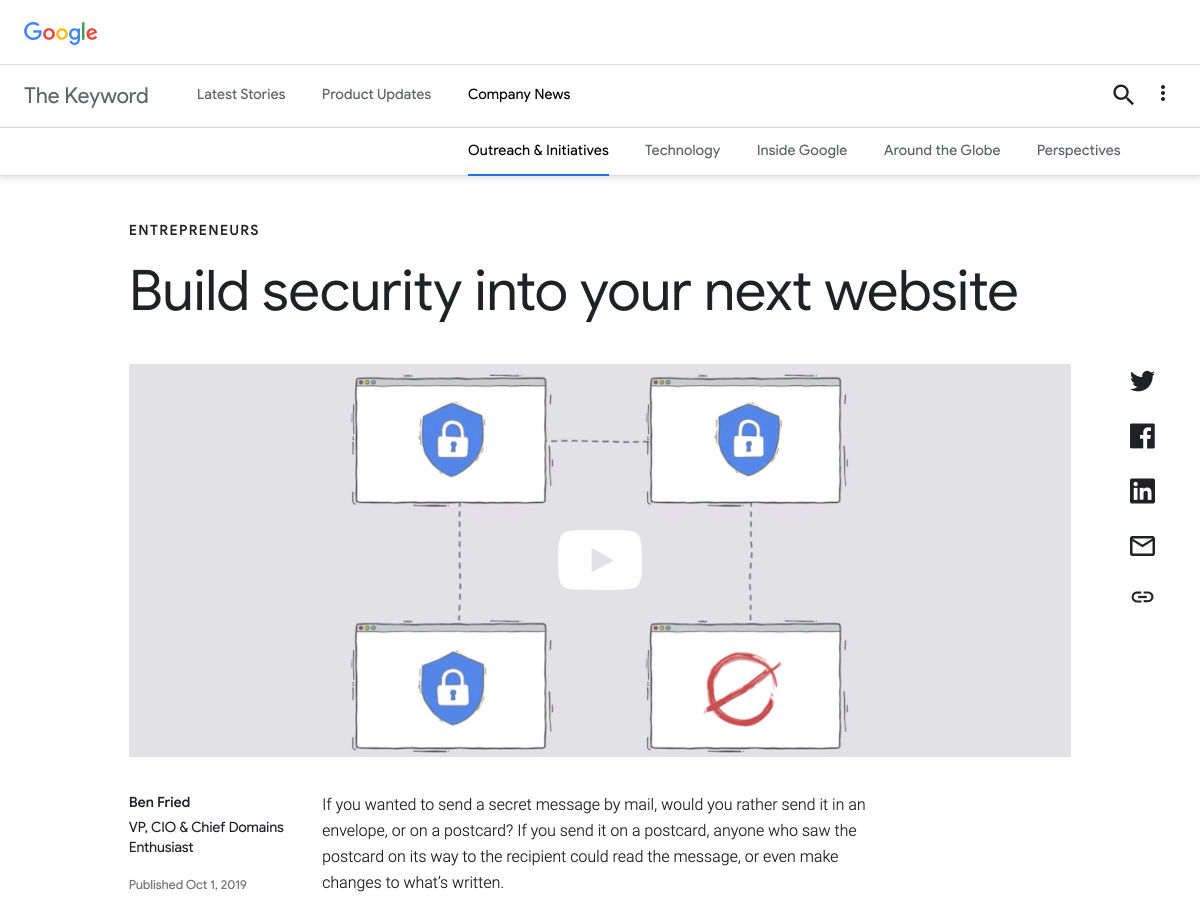
Build Security into your Next Website
The Prolific Evolution of the 3M Logo Design, 1906-2012
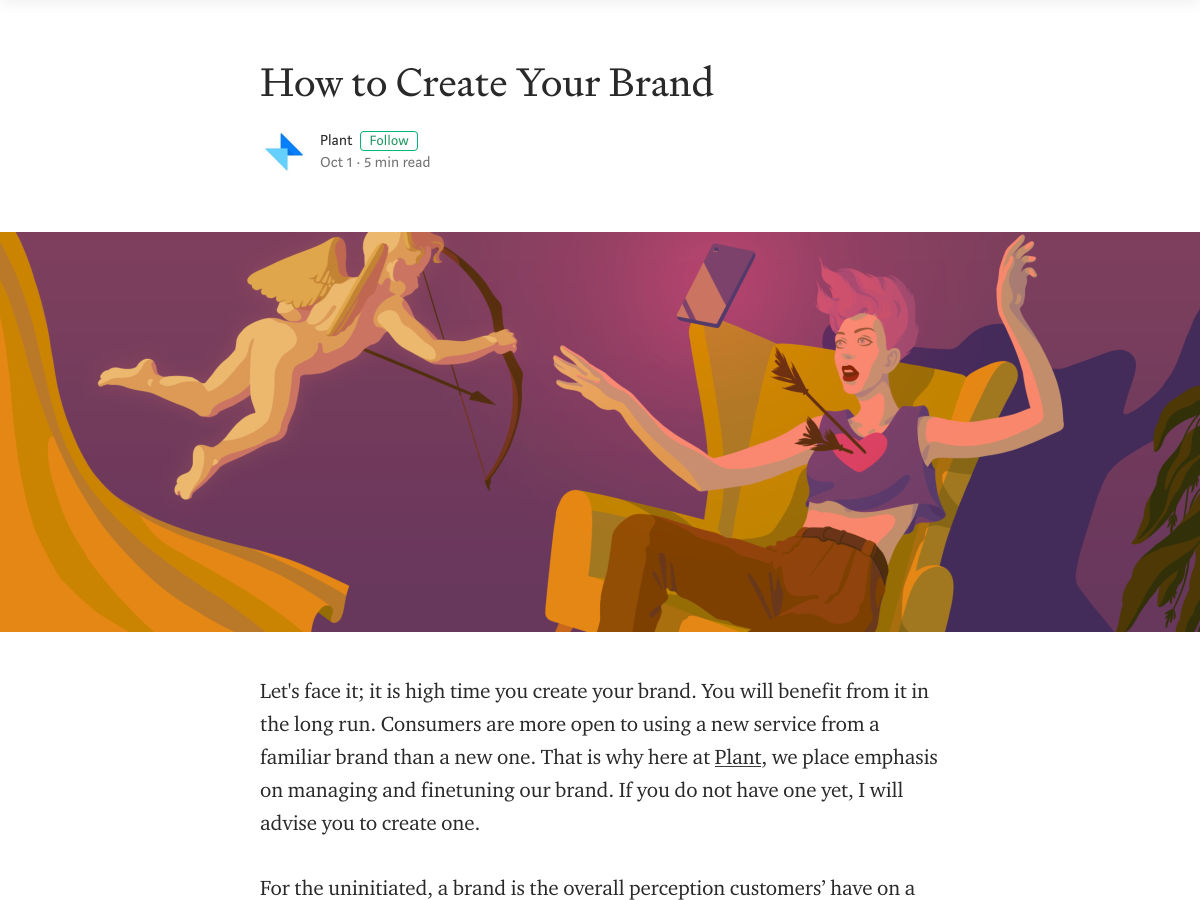
How to Create your Brand
Wordmark Logo Design 101: Why and When to Use Them
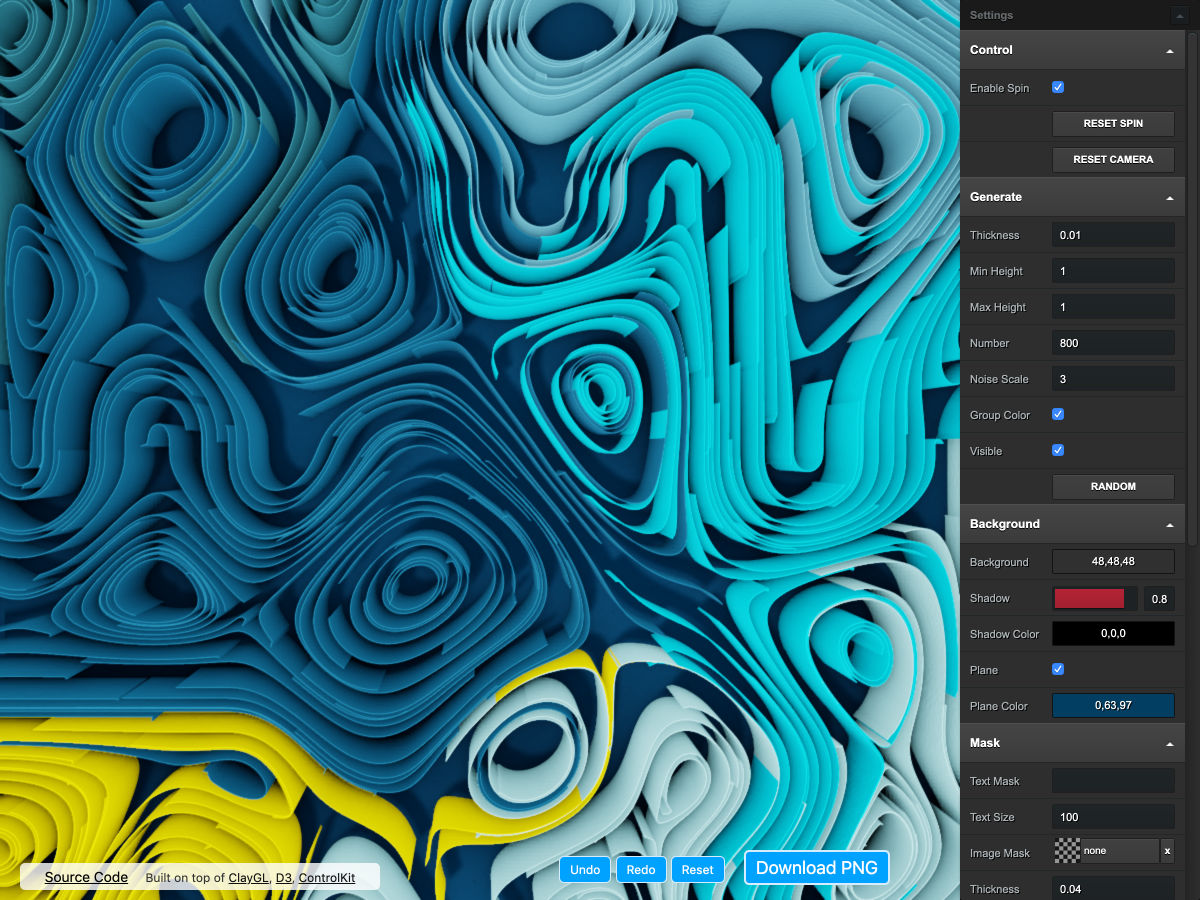
Paper Quilling Art Generator
The League of Evil Designers
Maximalist Design and the Problem with Minimalism
A New Repository of the Web’s Best Portfolios Helps You Design Yours like a Pro
So You’ve Lost your Design Mojo, Well Here’s How to Get it Back!
How to not Screw up a Logo Design: 6 Essential Tips
Preloading Pages Just Before They are Needed
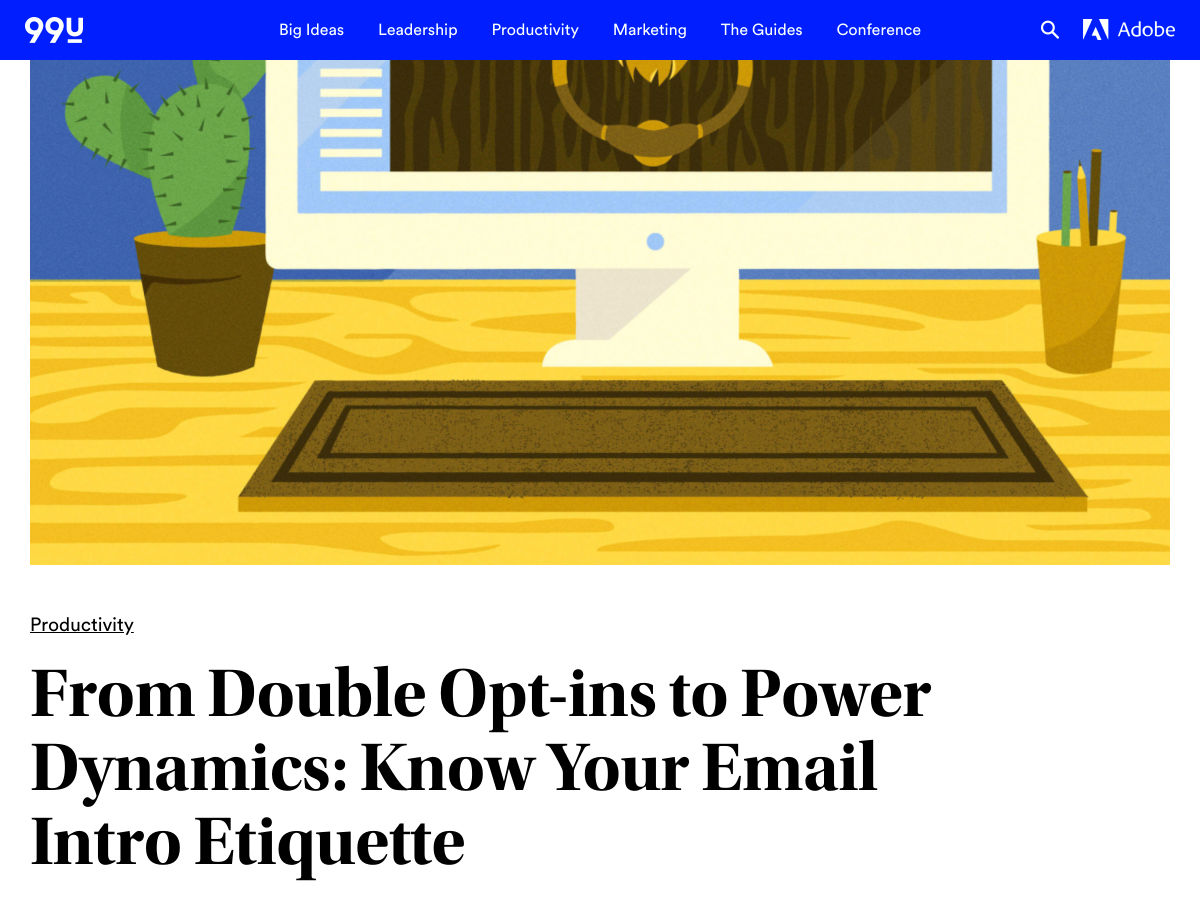
The Do’s and Don’ts of Writing Introduction Emails
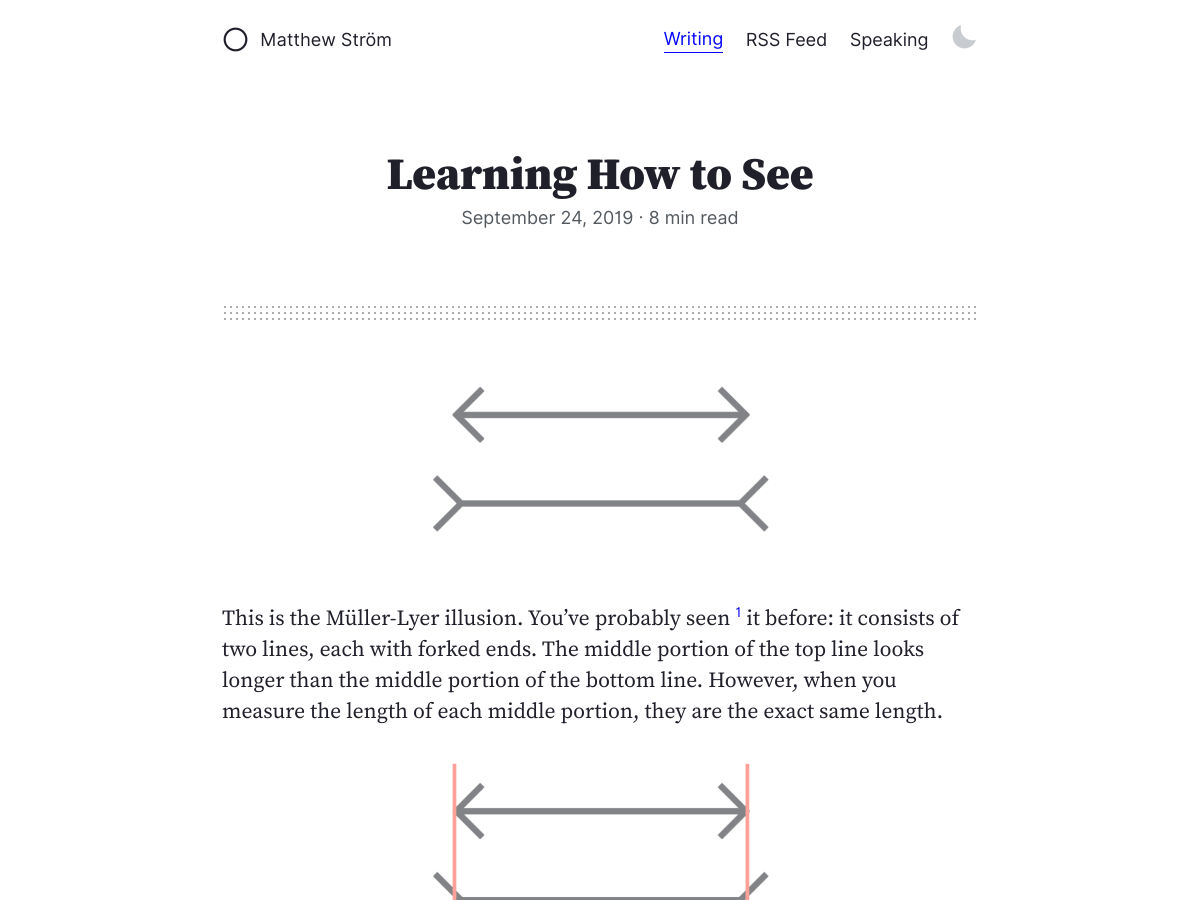
Learning How to See
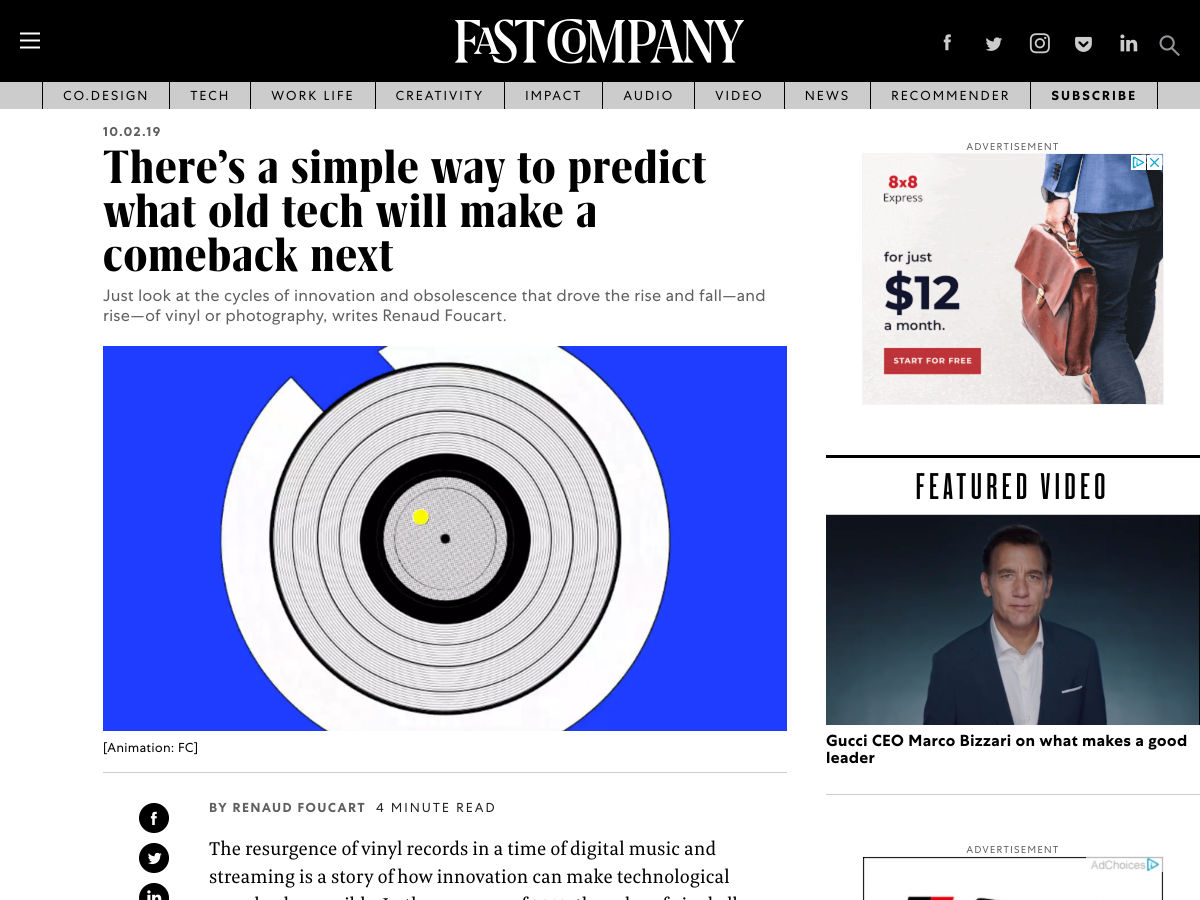
There’s a Simple Way to Predict What Trend will Make a Comeback Next
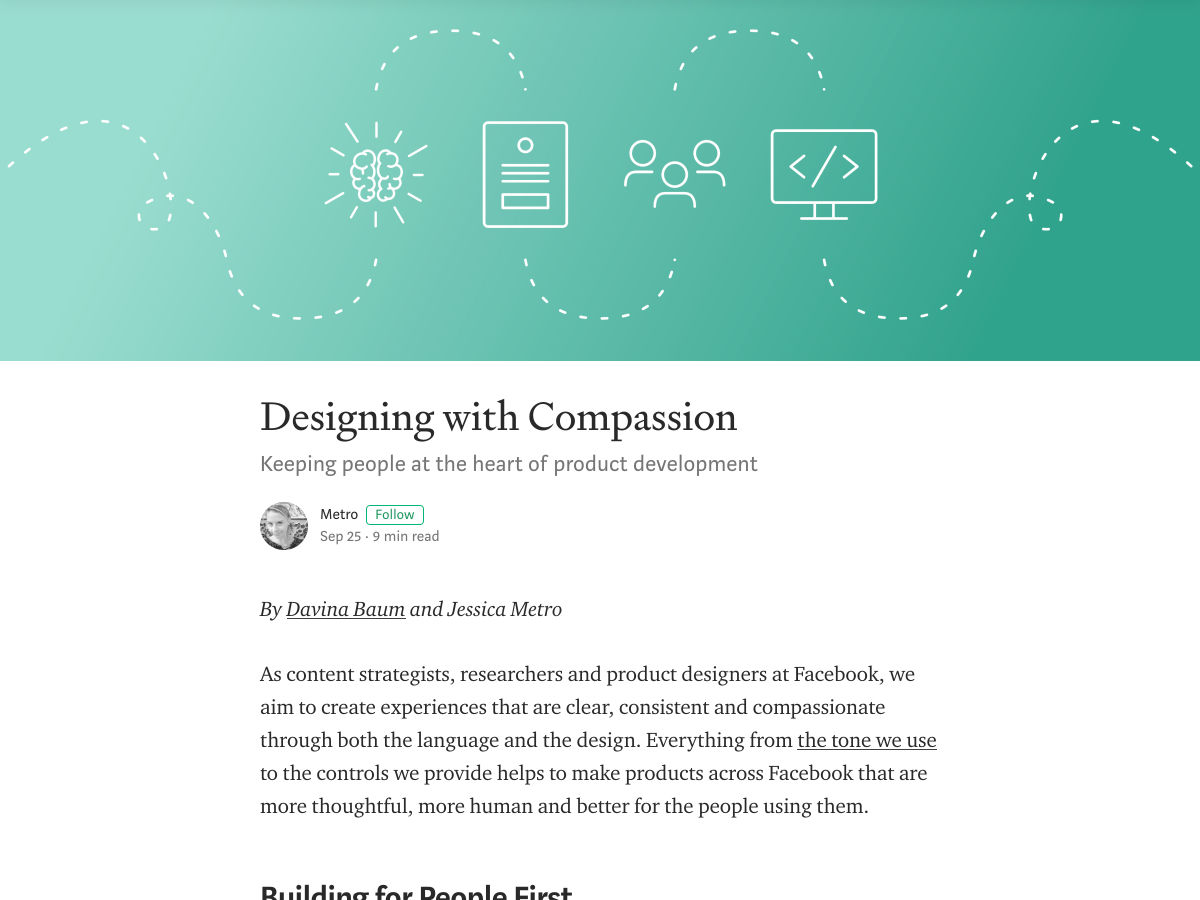
Designing with Compassion
Want more? No problem! Keep track of top design news from around the web with Webdesigner News.
Hey kids, you ready for me to tell you all about this newfangled thing called Bootstrap? Well get un-ready, ‘cause I’d never do that to you. It’s not that Bootstrap isn’t great, it’s just that if you work in web design, and you’ve been paying any attention at all, you already know about it.
For everyone else, I went searching for the new(ish), the exciting, and perhaps even the fun. God bless GitHub’s advanced search functionality, because I found CSS libraries that do all kinds of stuff. Even if you don’t end up using them, you can absolutely learn from them. Have a look:
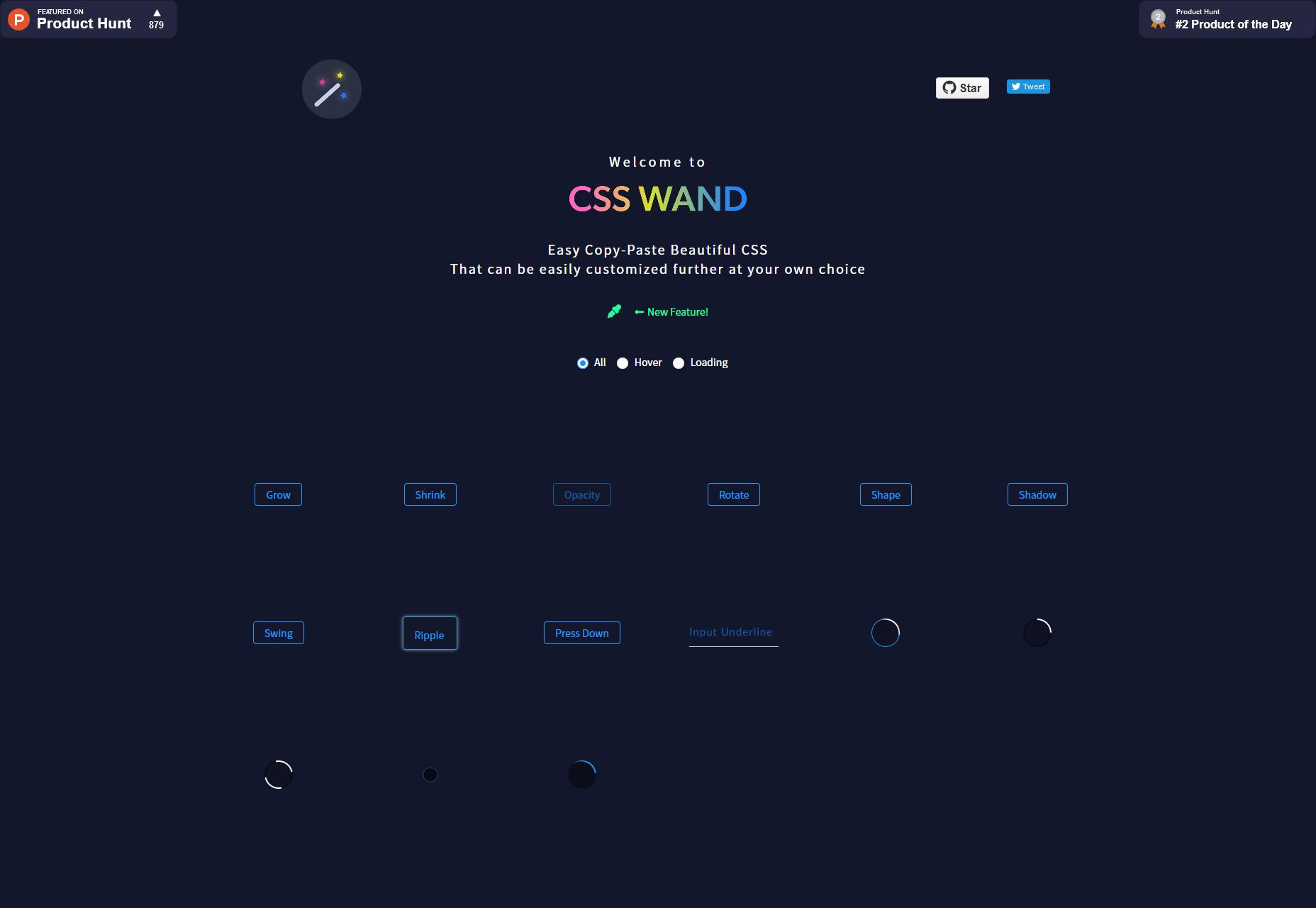
CSS Wand
CSS Wand is one of the simpler and smaller libraries on this list; it’s really just a handful of simple, pure CSS-based animations that you can copy-paste into your site, and customize at will. If you need to make your buttons, inputs, or loading animations feel fancy, you could try these out.
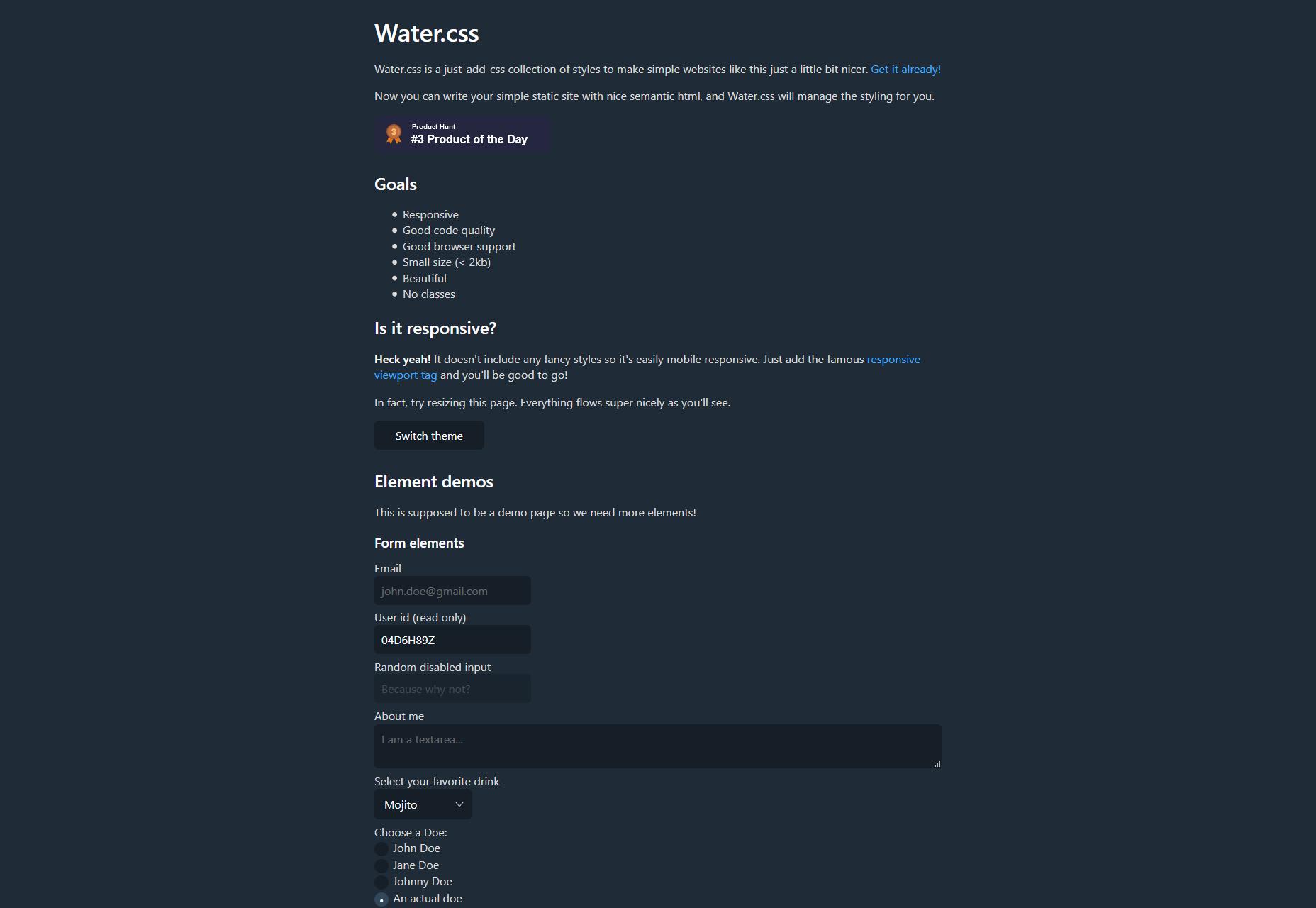
Water.css
Yeah, that’s Water.css, as in “just add water”. It’s a set of default styles that, while it falls short of being a full CSS framework, can get you started if you don’t feeling bothering to come up with your own type or form styles. It weighs in at less than 2kb, and uses no classes. That’s my kind of starter framework, to be honest.
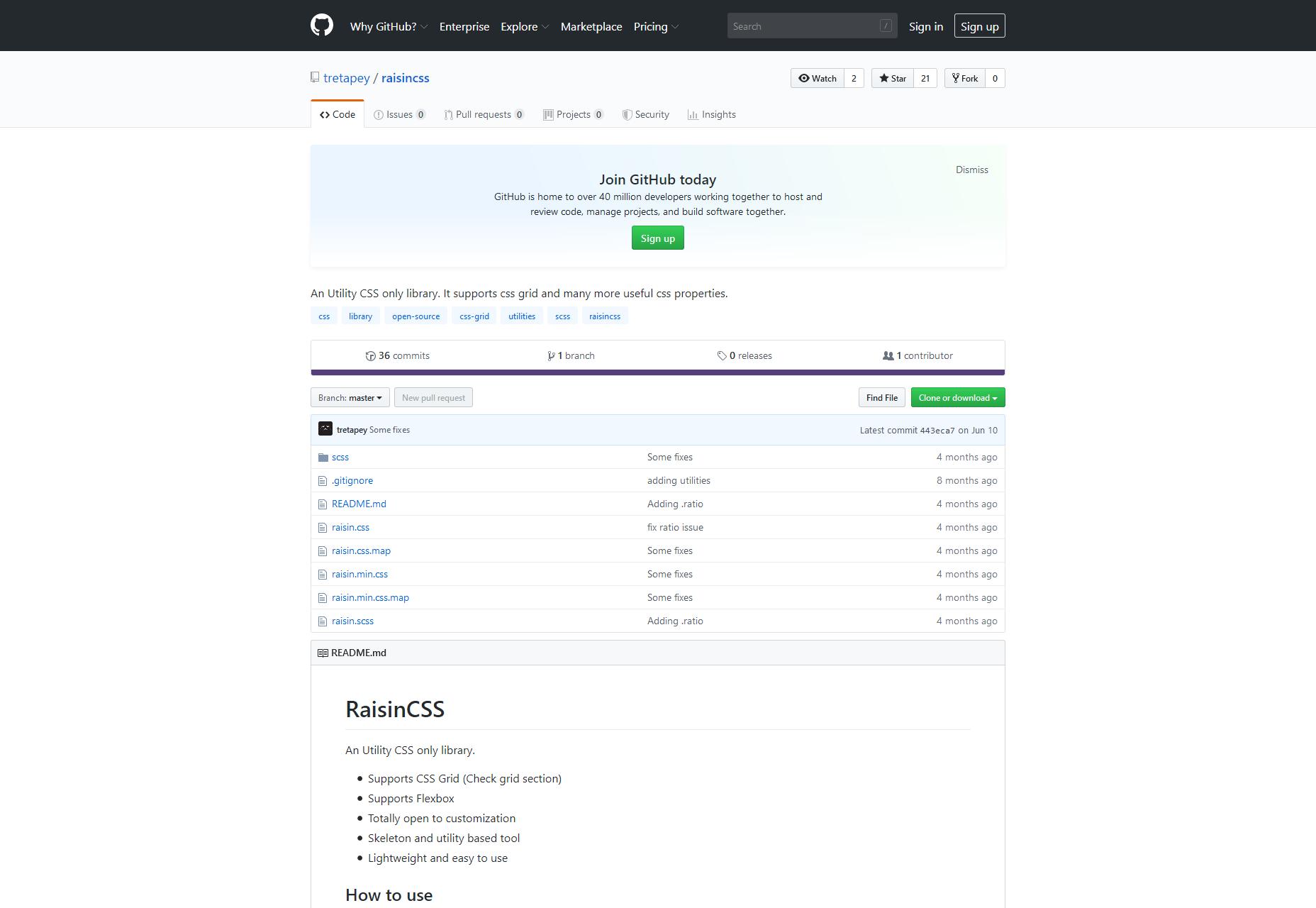
Raisin CSS
Raisin CSS describes itself as a utility CSS library, which means (you guessed it) a whole lot of classes. They’ve got pre-built modules for CSS Grid, FlexBox, breakpoints, the Display property, overflow, positioning, and more. I’d personally use a library like this if I was going to be use JS to alter the appearance of a lot of different elements on the fly.
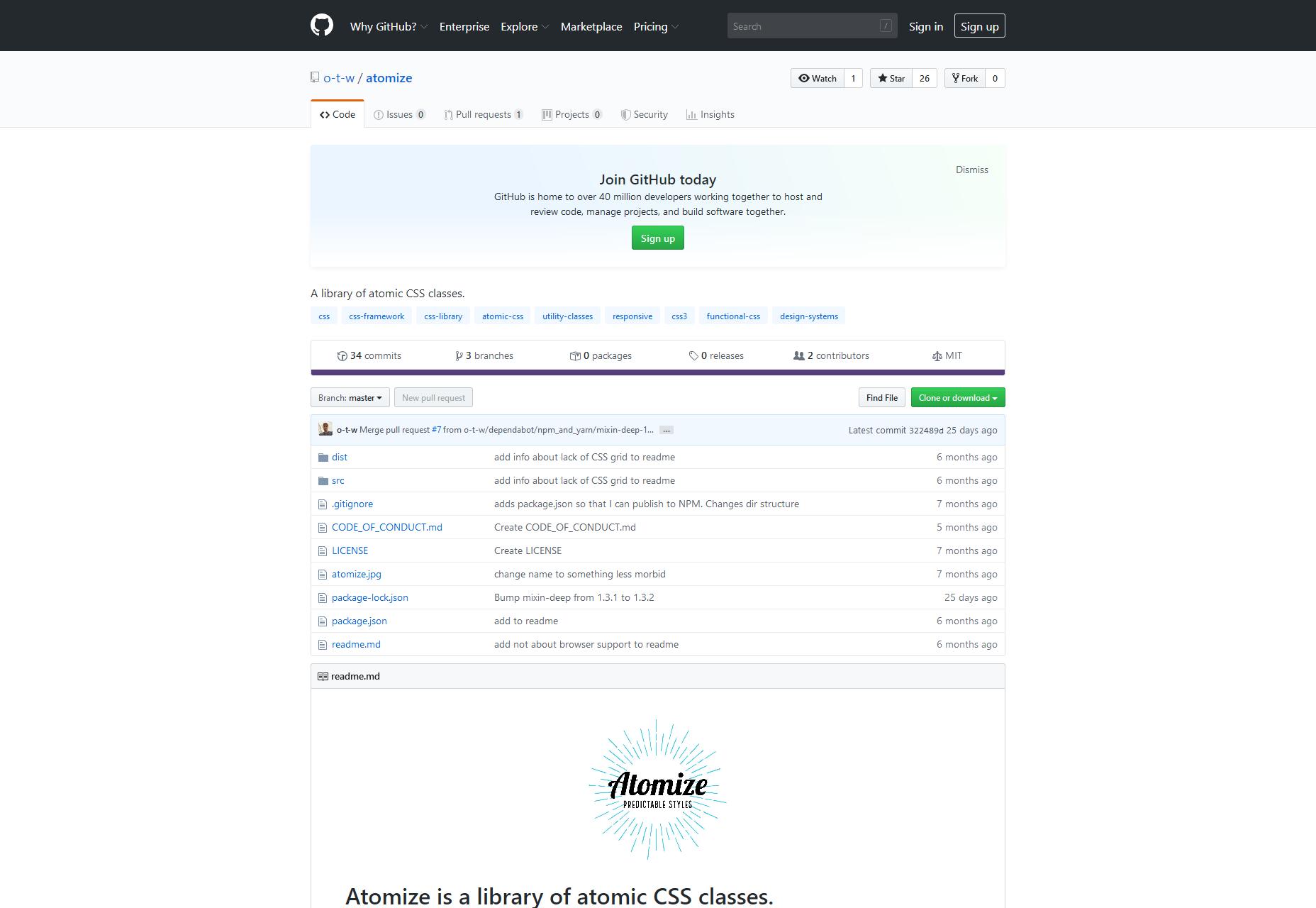
Atomize
Atomize takes things a little further than Raisin CSS, creating something more like a full framework based on Atomic CSS, and the theory of separation of concerns. It aims to be style-neutral, let you define your own breakpoints, and you can use it with NPM, or just download the source for use with any other dev pipeline.
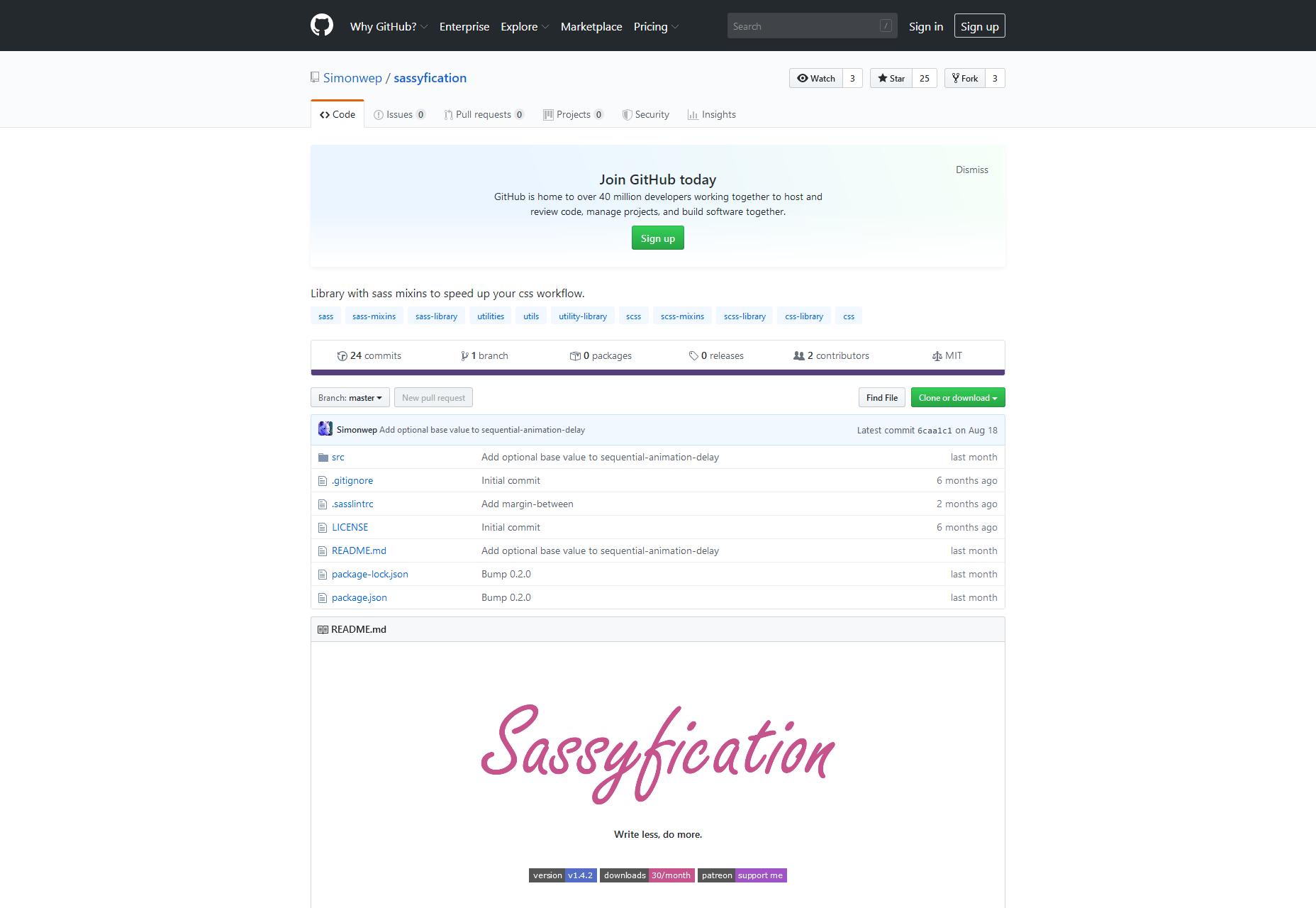
Sassyfication
Sassyfication has a couple of things going for it, starting with its name. It just makes me want to snap my fingers in a “Z” shape, and tell people they just can’t handle me. It also has a collection of commonly-used variables and mixins for SASS. Think of the previously-mentioned utility libraries, but for SASS.
Man, I love SASS, but I still miss LESS. Anybody else miss LESS?
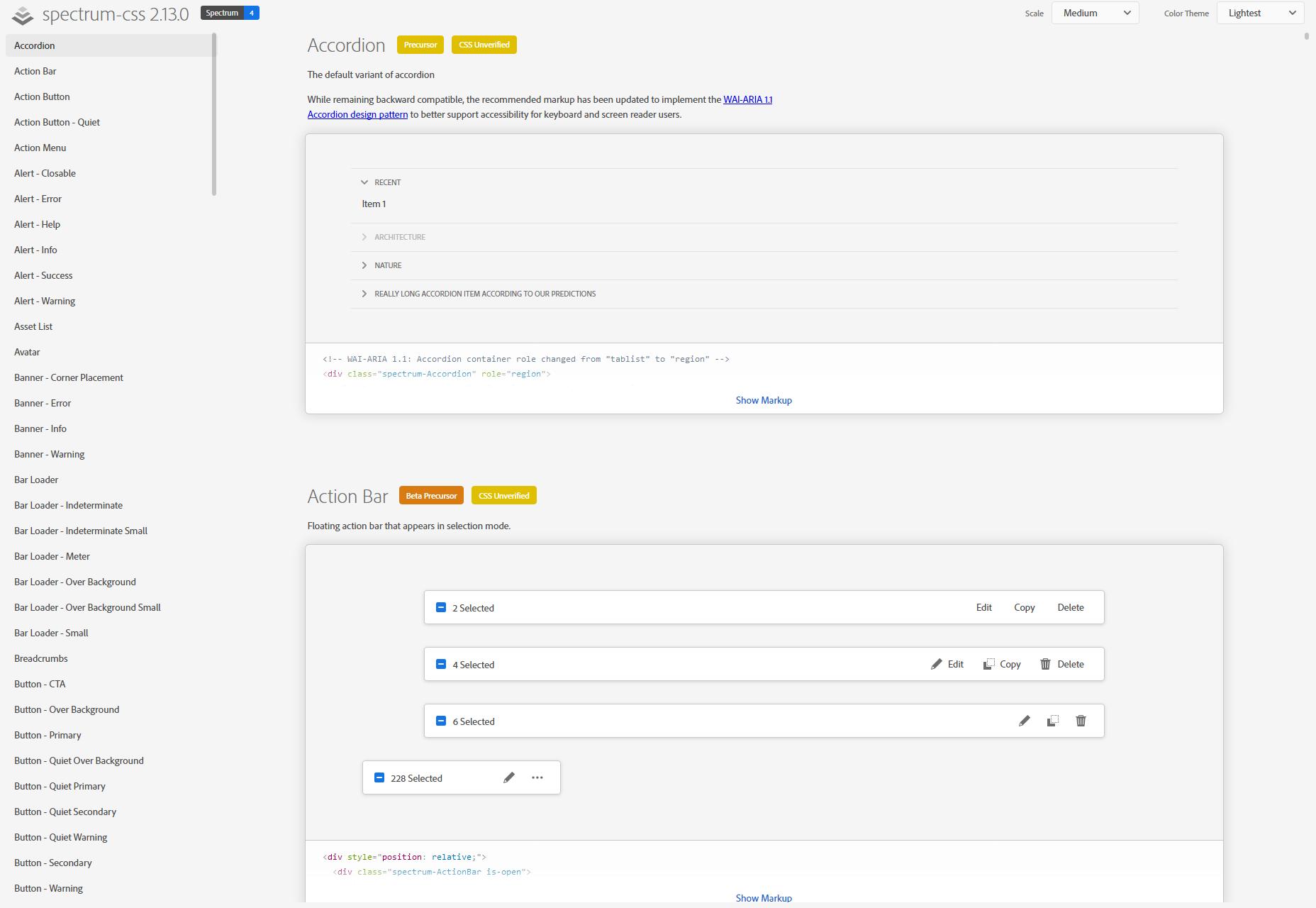
Spectrum CSS
It should be no surprise that Adobe has its own design system, or “design language” as they sometimes call it. Well, it’s called Spectrum, and Spectrum CSS is what you might use to make your site look a lot like an Adobe project. Or, you know, you could just see how they do things, for fun.
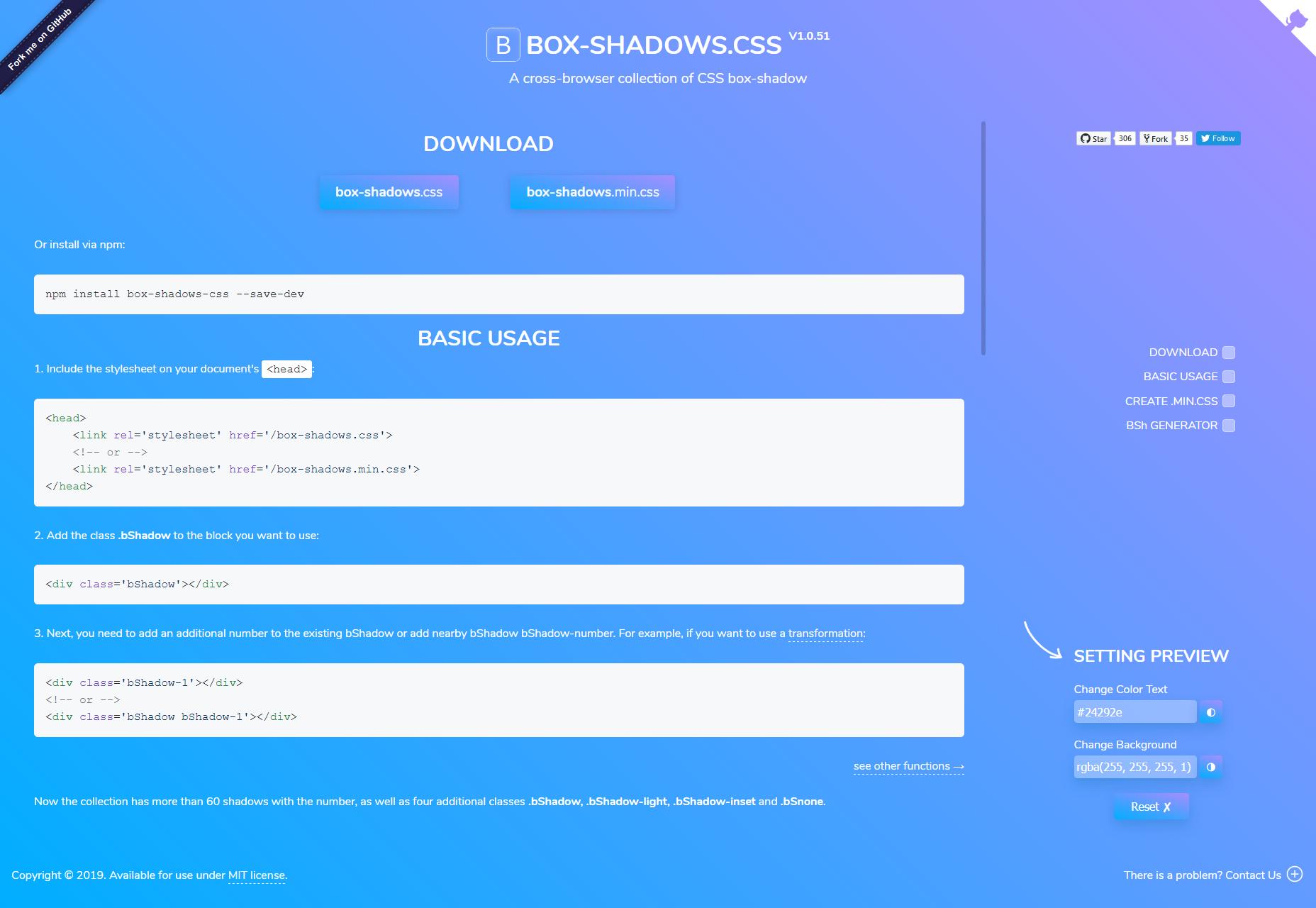
Box-shadows.css
Okay… just how much do you love drop-shadows, and the box-shadow property? Probably not as much as the people who made Box-shadows.css, a whole library dedicated to one thing: rounded corners.
I’m kidding. I think you can guess what this does. If you need more shadows in your life and your UI, look no further.
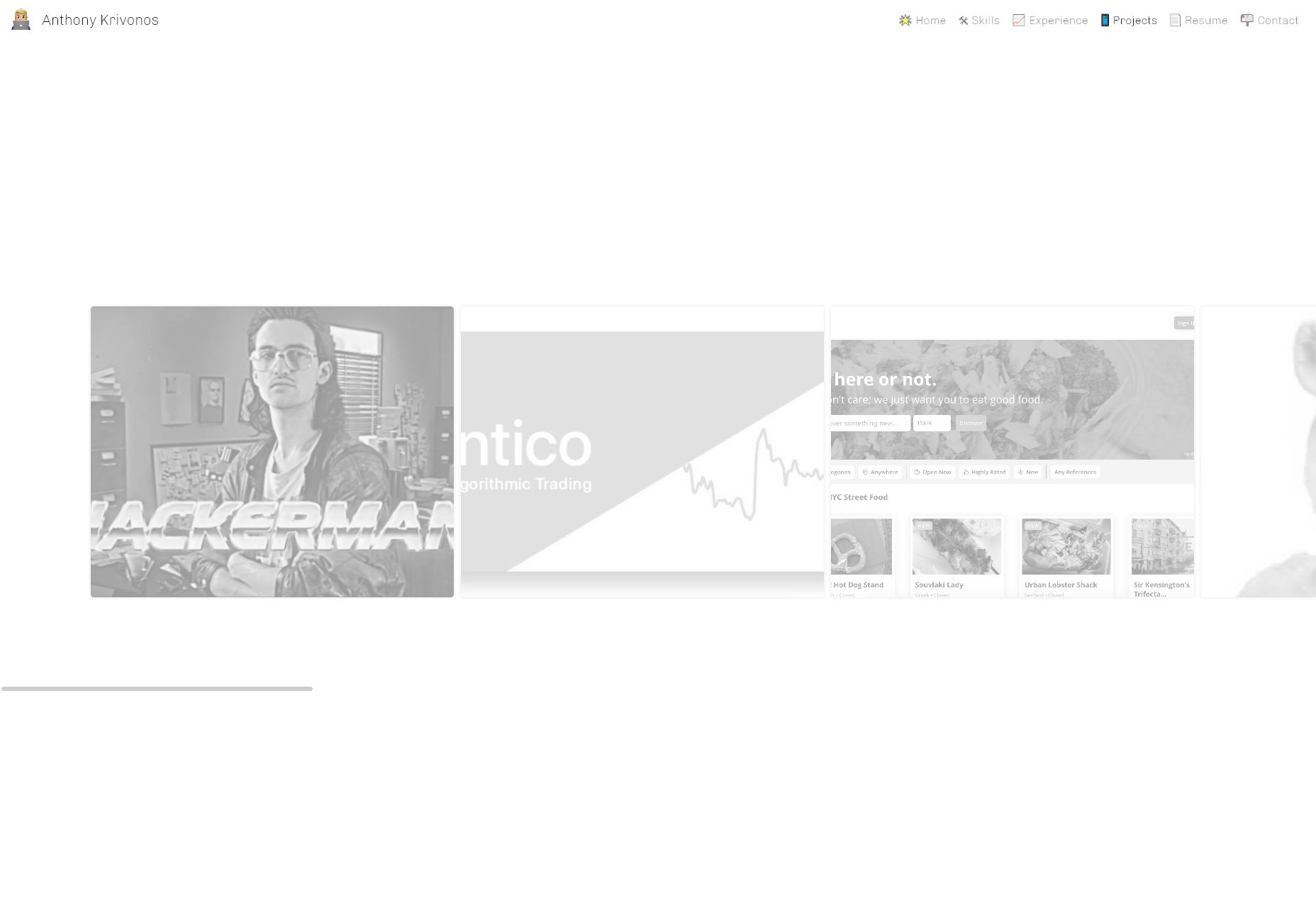
Flix Carousel
Flix Carousel is, as the name suggests, a carousel based on Netflix’s preview carousels. It’s pure CSS, which I love, and seems to work pretty well. The only hiccup is that the preview on the repository page isn’t working. For a visual example, you’ll have to head to the author’s portfolio.
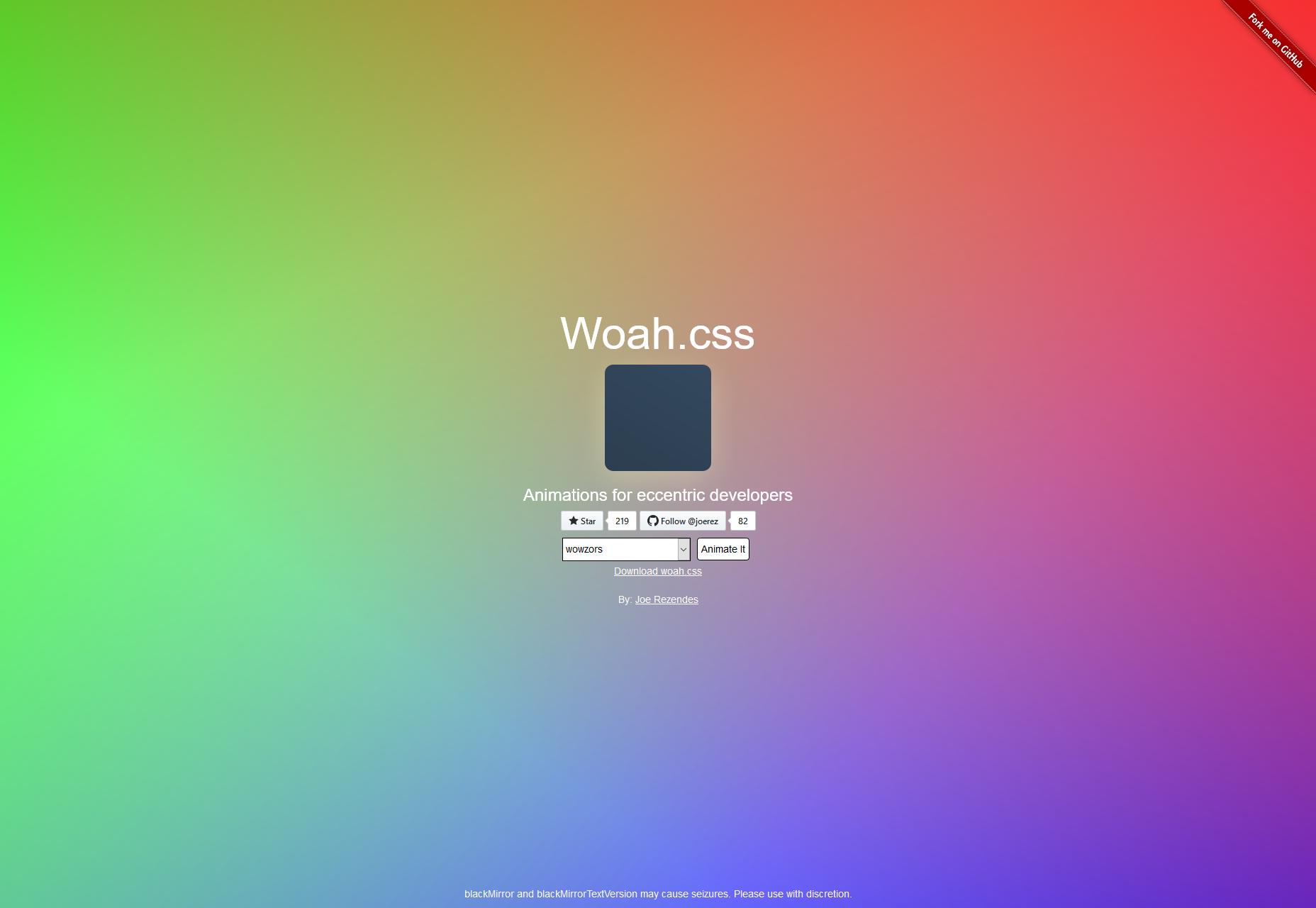
Woah.css
Woah.css is billed as a CSS Animation Library for eccentric web developers, and it lives up to that promise. The animated elements remind me a lot of the old video transitions on TV in the ‘90s, and the video transitions in every “consumer-grade” video editor. It’s cheesy as heck, and a lot of fun to play with.
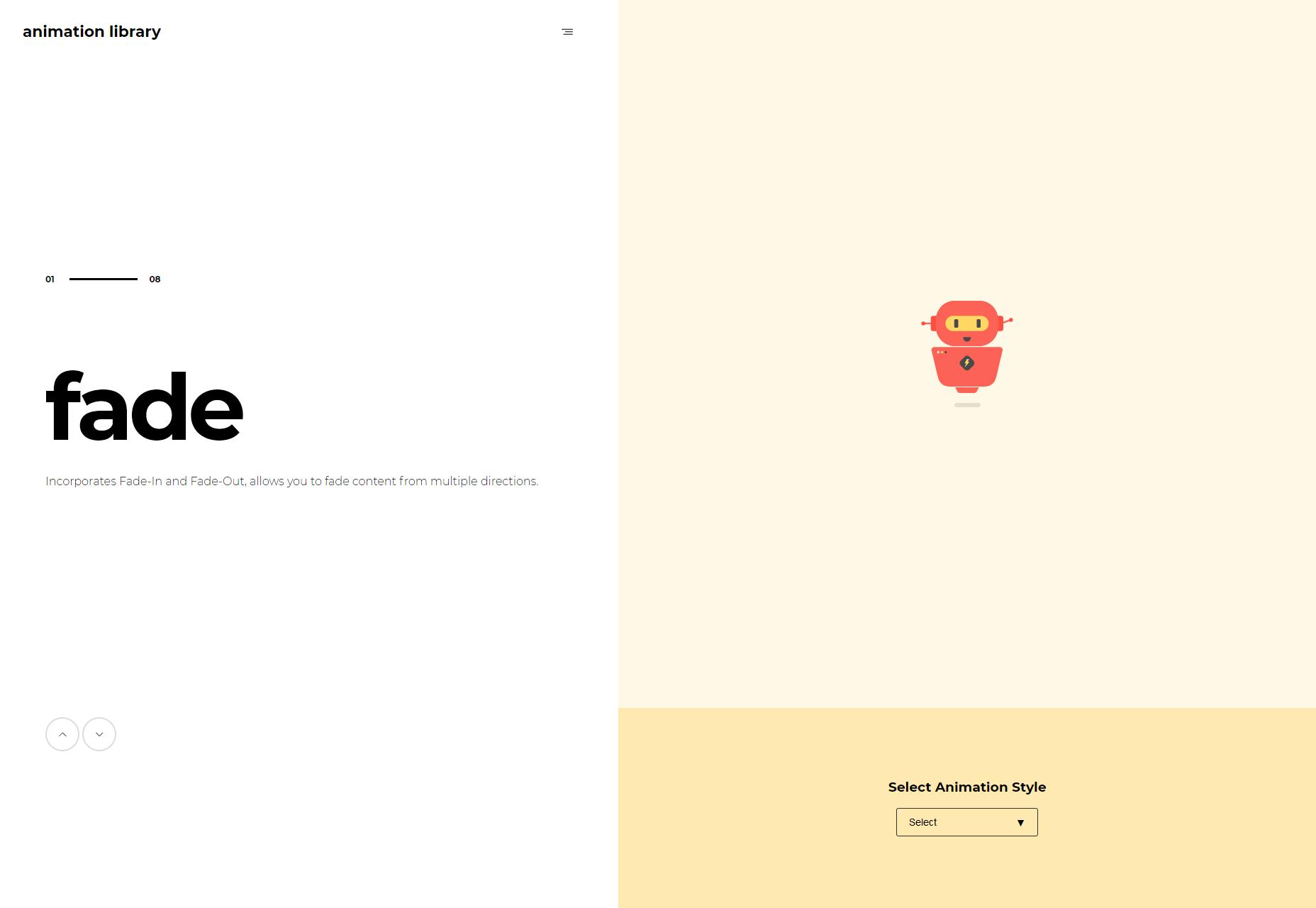
Animation Library
It’s called “Animation Library”, and the animations are about as sedate as the name. This is not a bad thing, as a corporate site probably doesn’t need or want ‘90s video transitions for their animated buttons. It’s pure CSS, so just add the classes you want, and go from there.
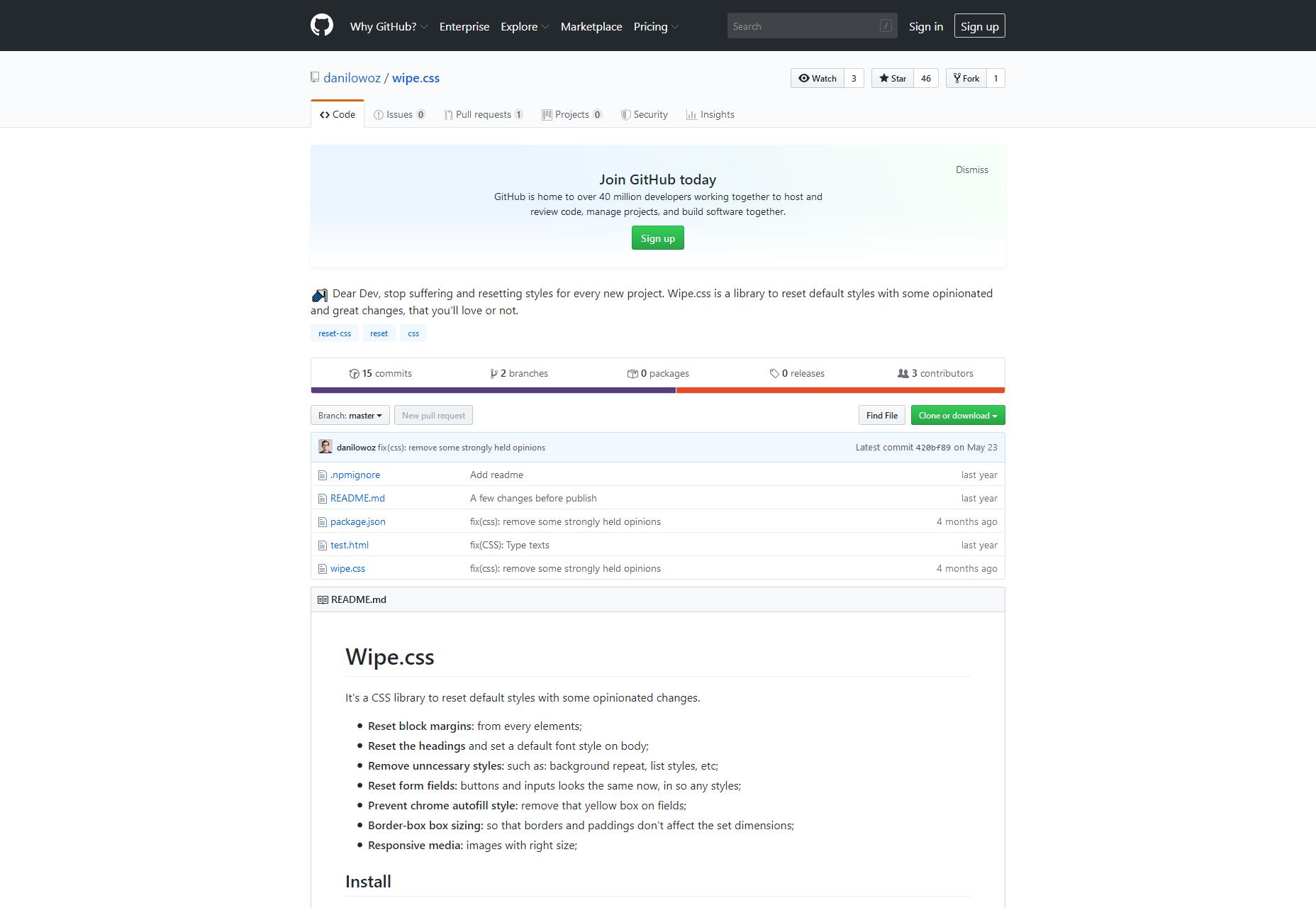
Wipe.css
Wipe.css is basically a brand new CSS reset, based on libraries like sanitize.css and normalize.css. It doesn’t reinvent the wheel, nor should it. It has sensible defaults that make a lot of sense to me, and I might well be using it myself in the near-ish future.
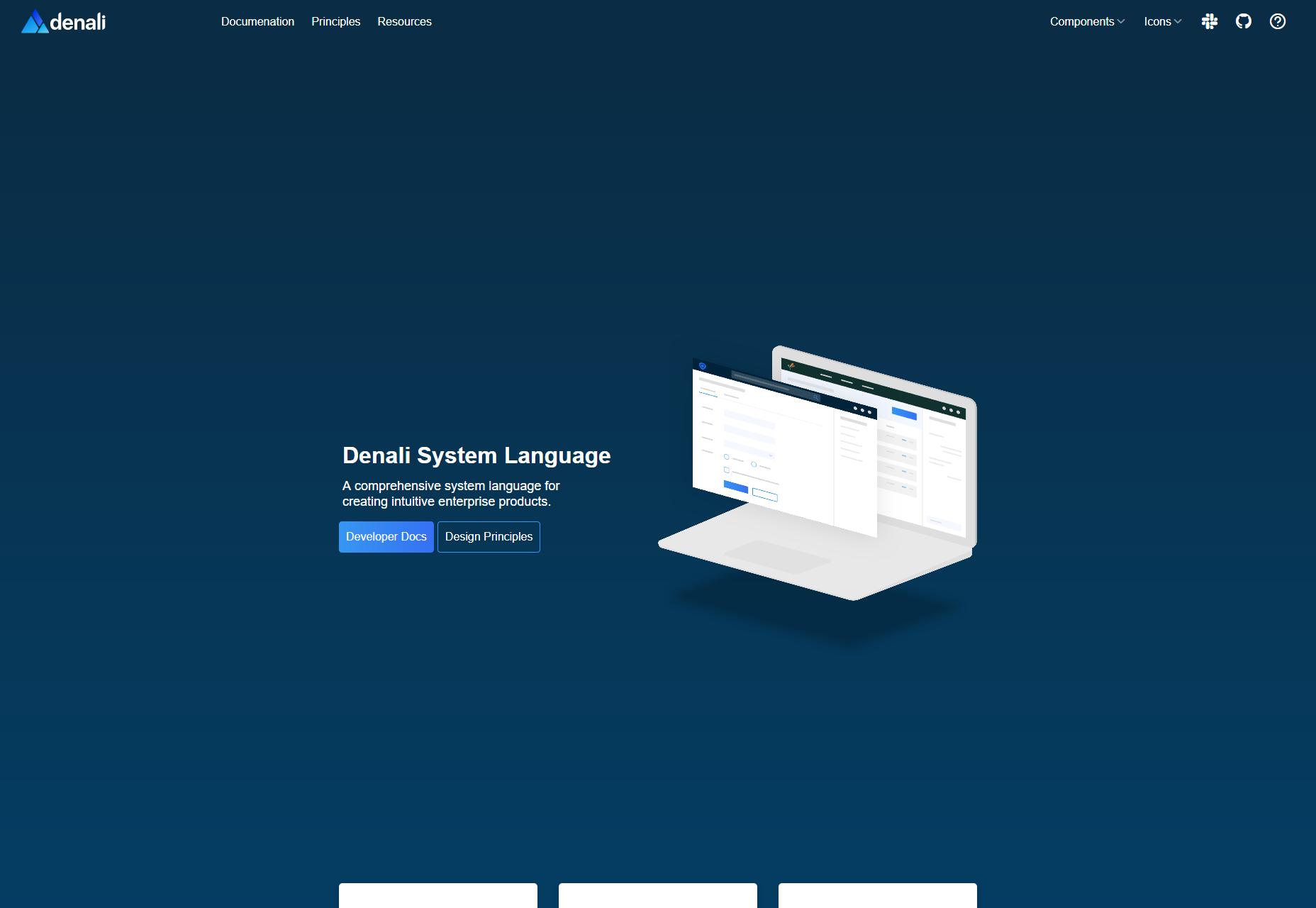
Denali CSS Library
Denali CSS Library is another one based on a design system, specifically the (you guessed it) Denali design system. It features a sleek, modern, and highly sans-serif sort of look that’s perfect for business sites. It’s also got some fairly detailed documentation to get you started.
nova-skeletons
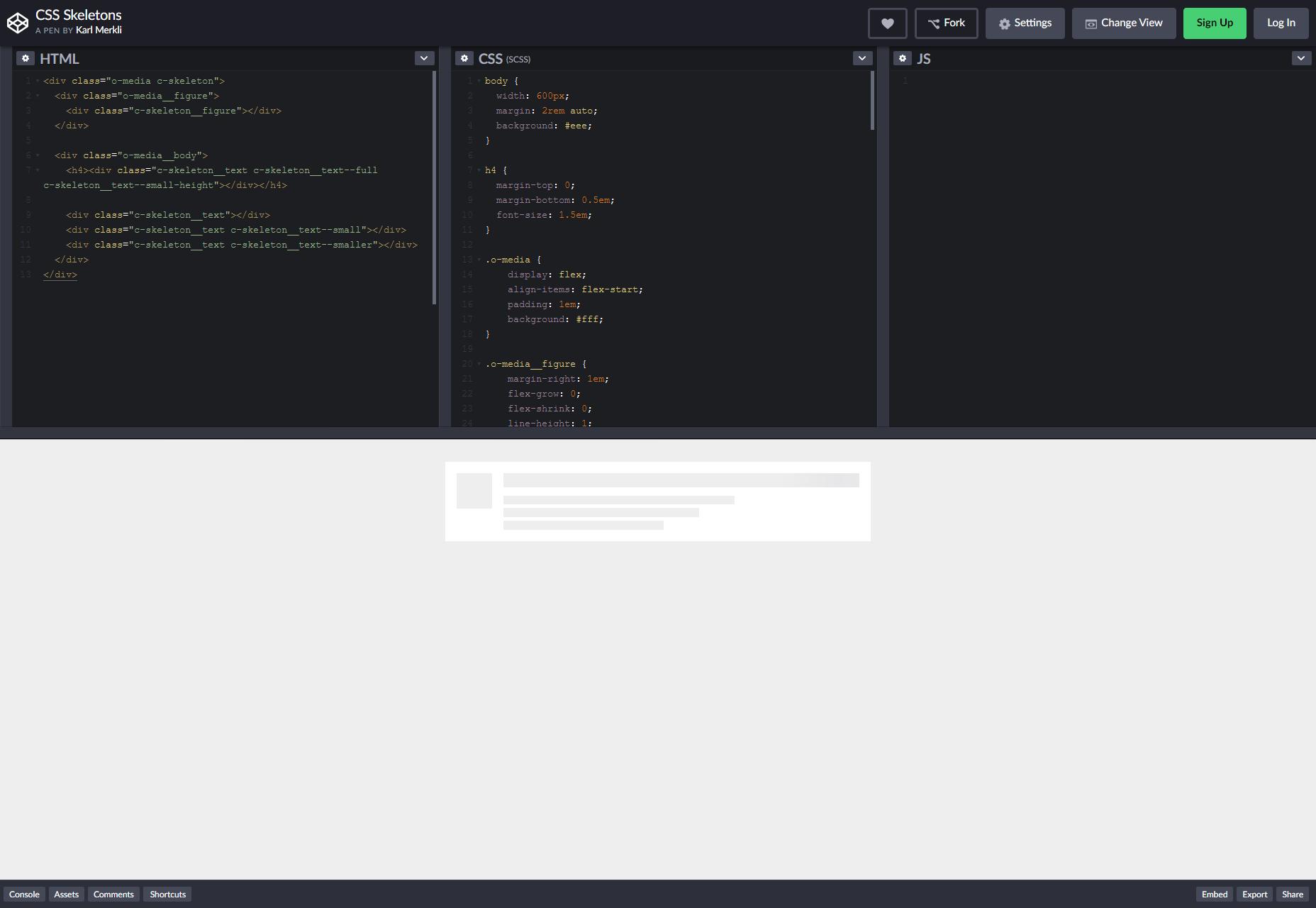
nova-skeletons is an interesting one in that it should definitely never be used for production. It’s basically used to create grey blocks for dummy content in prototypes, as seen in this screenshot. Now dummy content is never completely ideal, but for very early prototypes, this might actually be better than Lorem Ipsum.
vov.css
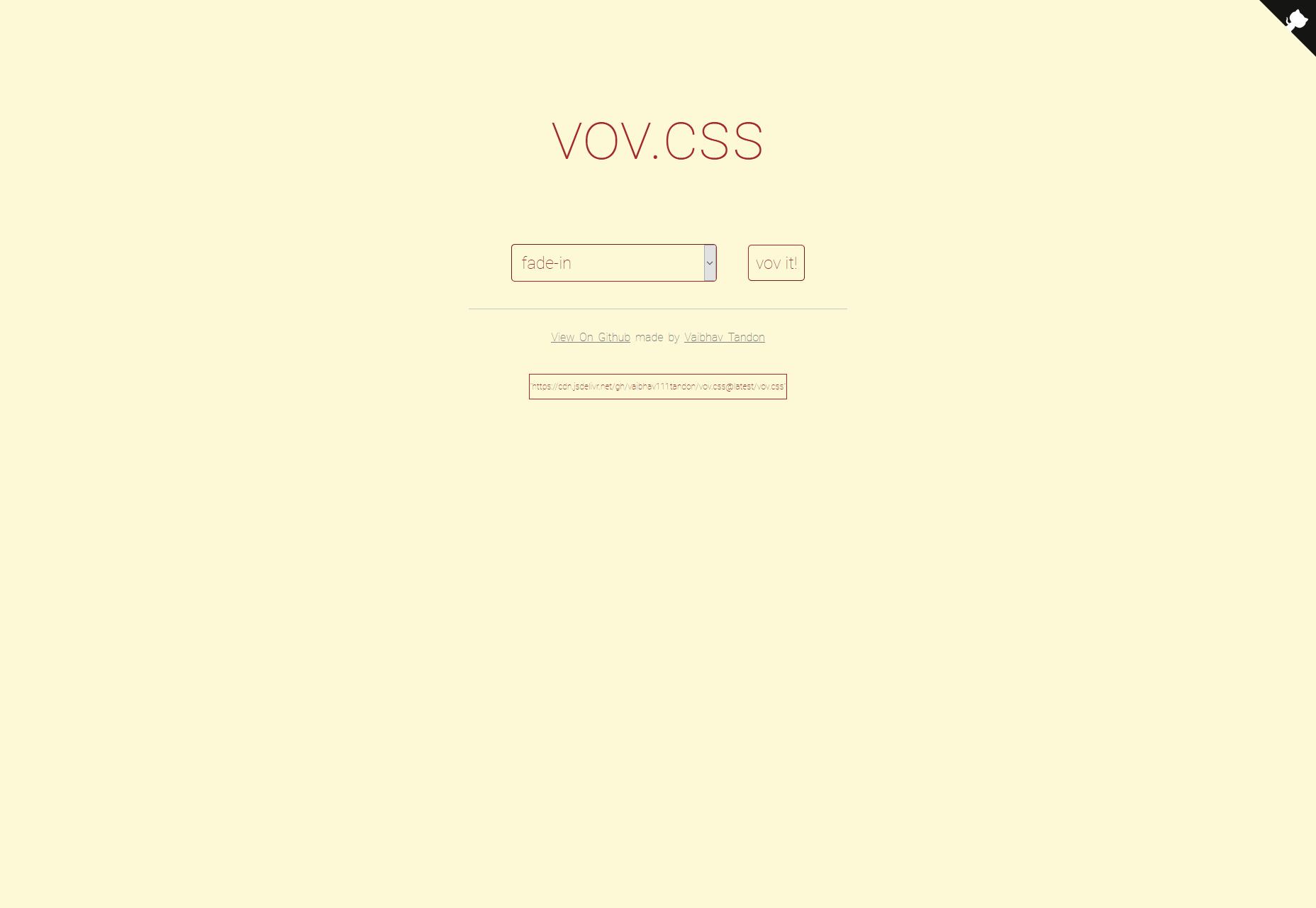
vov.css is a lovely set of pure CSS animations that covers basically every (basic) animation you might want. Just add a class and go. One thing I do like is that they include an extra set of classes for adding delay to the animation.
relaxCSS
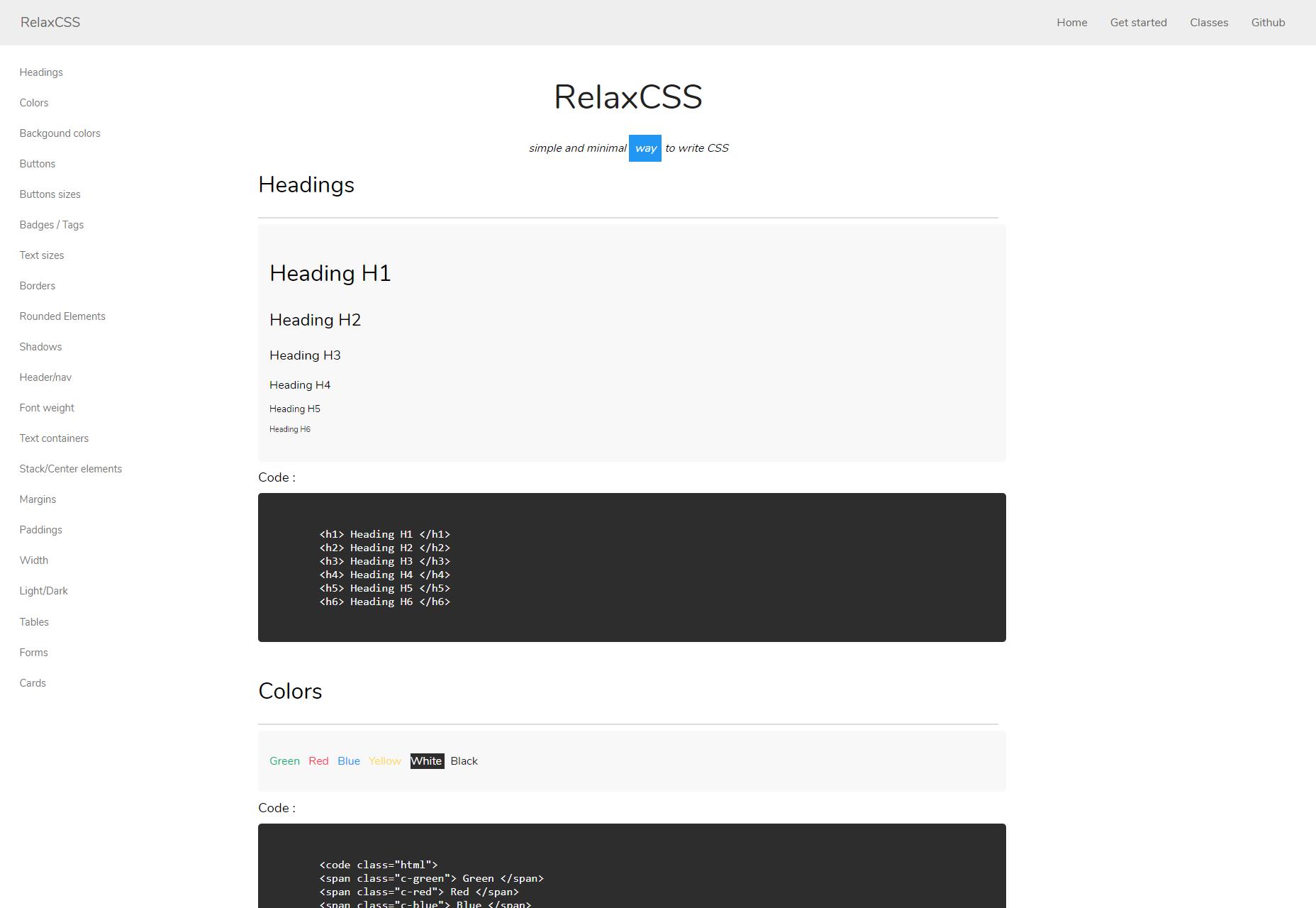
relaxCSS is a full (but small) framework that styles most of the things you might want in a basic web page or app, with extra components for navigation, tags, and things like that. It also features a dark theme. What I like most is that there’s no layout framework, so you can just add these styles into a site with a Grid or Flexbox layout and get on with your day.
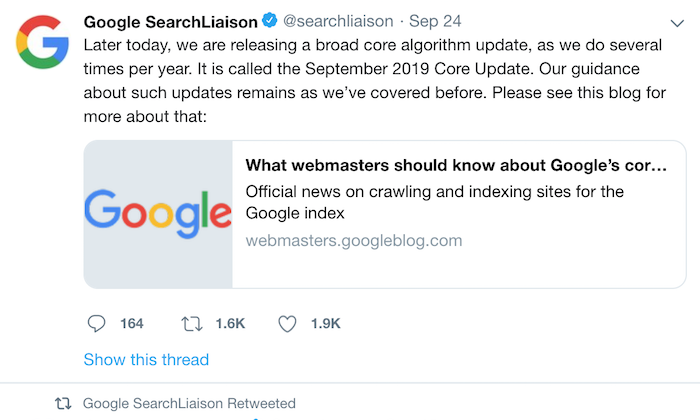
Google released a major update. They typically don’t announce their updates, but you know when they do, it is going to be big.
And that’s what happened with the most recent update that they announced.
A lot of people saw their traffic drop. And of course, at the same time, people saw their traffic increase because when one site goes down in rankings another site moves up to take its spot.
Can you guess what happened to my traffic?
Well, based on the title of the post you are probably going
to guess that it went up.
Now, let’s see what happened to my search traffic.
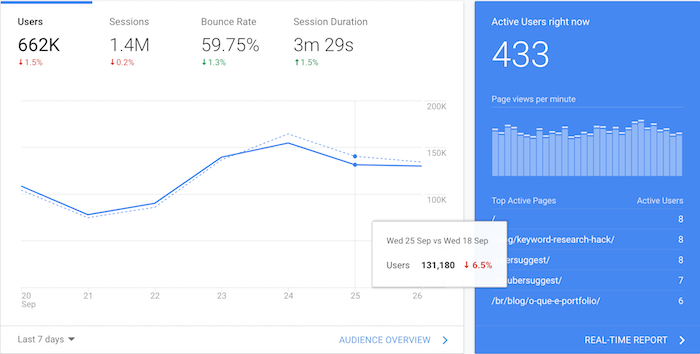
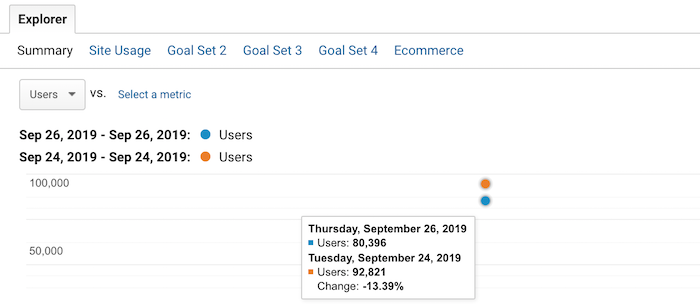
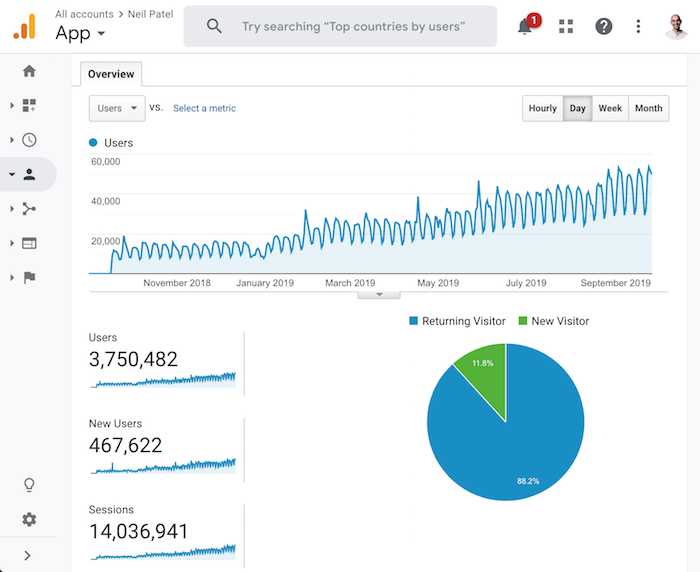
My overall traffic has already dipped by roughly 6%. When you look at my organic traffic, you can see that it has dropped by 13.39%.
I know what you are thinking… how did you beat Google’s core update when your traffic went down?
What if I told you that I saw this coming and I came up with a solution and contingency strategy in case my organic search traffic would ever drop?
But before I go into that, let me first break down how it all started and then I will get into how I beat Google’s core update.
A new trend
I’ve been doing SEO for a long time… roughly 18 years now.
When I first started, Google algorithm updates still sucked but they were much more simple. For example, you could get hit hard if you built spammy links or if your content was super thin and provided no value.
Over the years, their algorithm has gotten much more complex. Nowadays, it isn’t about if you are breaking the rules or not. Today, it is about optimizing for user experience and doing what’s best for your visitors.
But that in and of itself is never very clear. How do you know that what you are doing is better for a visitor than your competition?
Honestly, you can never be 100% sure. The only one who actually knows is Google. And it is based on whoever it is they decide to work on coding or adjusting their algorithm.
Years ago, I started to notice a new trend with my search
traffic.
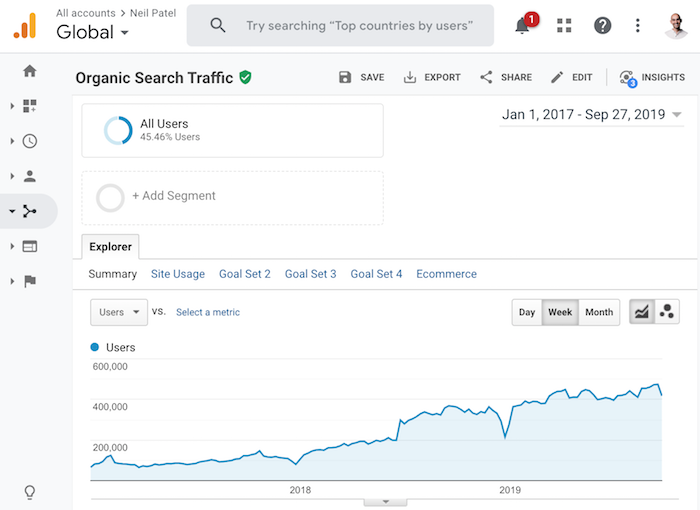
Look at the graph above, do you see the trend?
And no, my traffic doesn’t just climb up and to the right. There are a lot of dips in there. But, of course, my rankings eventually started to continually climb because I figured out how to adapt to algorithm updates.
On a side note, if you aren’t sure how to adapt to the latest algorithm update, read this. It will teach you how to recover your traffic… assuming you saw a dip. Or if you need extra help, check out my ad agency.
In many cases after an algorithm update, Google continues to fine-tune and tweak the algorithm. And if you saw a dip when you shouldn’t have, you’ll eventually start recovering.
But even then, there was one big issue. Compared to all of the previous years, I started to feel like I didn’t have control as an SEO anymore back in 2017. I could no longer guarantee my success, even if I did everything correctly.
Now, I am not trying to blame Google… they didn’t do anything wrong. Overall, their algorithm is great and relevant. If it wasn’t, I wouldn’t be using them.
And just like you and me, Google isn’t perfect. They continually adjust and aim to improve. That’s why they do over 3,200 algorithm updates in a year.
But still, even though I love Google, I didn’t like the
feeling of being helpless. Because I knew if my traffic took a drastic dip, I
would lose a ton of money.
I need that traffic, not only to drive new revenue but, more importantly, to pay my team members. The concept of not being able to pay my team on any given month is scary, especially when your business is bootstrapped.
So what did I do?
I took matters into my own hands
Although I love SEO, and I think I’m pretty decent at it
based on my traffic and my track record, I knew I had to come up with another
solution that could provide me with sustainable traffic that could still
generate leads for my business.
In addition to that, I wanted to find something that wasn’t “paid,” as I was bootstrapping. Just like how SEO was starting to have more ups and downs compared to what I’ve seen in my 18-year career, I knew the cost at paid ads would continually rise.
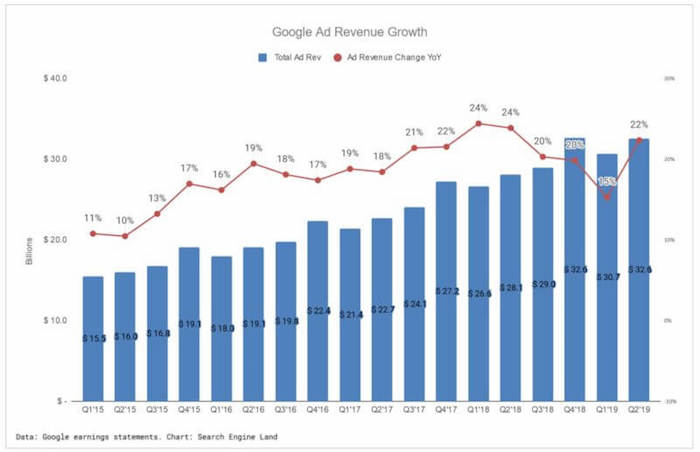
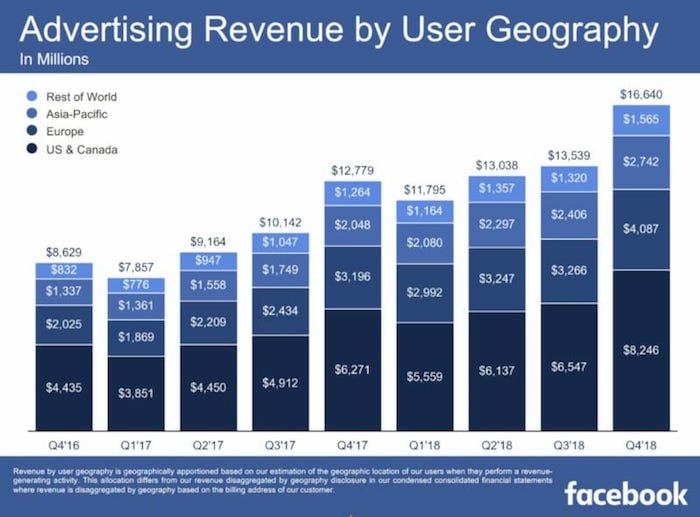
Just look at Google’s ad revenue. They have some ups and downs every quarter but the overall trend is up and to the right.
In other words, advertising will continually get more expensive over time.
I didn’t want to rely on a channel that would cost me more next year and the year after because it could get so expensive that I may not be able to profitably leverage it in the future.
So, what did I do?
I went on a hunt to figure out a way to get direct, referral, and organic traffic that didn’t rely on any algorithm updates. (I will explain what I mean by organic traffic in a bit.)
I went on my mission
With the help of my buddy, Andrew Dumont, I went searching for websites that continually received good traffic even after algorithm updates.
Here were the criteria that we were looking for:
Sites that weren’t reliant on Google traffic
Sites that didn’t need to continually produce
more content to get more traffic
Sites that weren’t popular due to social media traffic
(we both saw social traffic dying)
Sites that didn’t leverage paid ads in the past
or present
Sites that didn’t leverage marketing
In essence, we were looking for sites that were popular because people naturally liked them. Our intentions at first weren’t to necessarily buy any of these sites. Instead, we were trying to figure out how to naturally become popular so we could replicate it.
Do you know what we figured out?
I’ll give you a hint.
Think of it this way: Google doesn’t get the majority of their traffic from SEO. And Facebook doesn’t get their traffic because they rank everywhere on Google or that people share Facebook.com on the social web.
Do you know how they are naturally popular?
It comes down to building a good product.
That was my aha! moment. Why continually crank out thousands of pieces of content, which isn’t scalable and is a pain as you eventually have to update your old content, when I could just build a product?
That’s when Andrew and I stumbled
upon Ubersuggest.
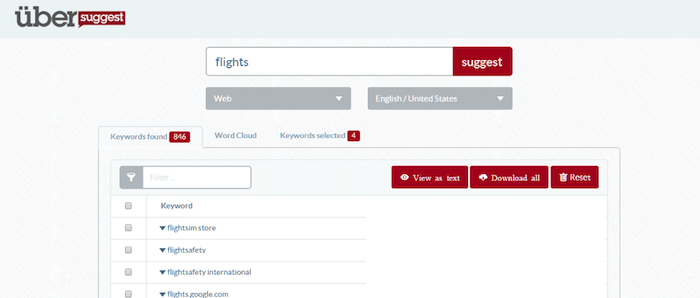
It used to be a simple tool that
just showed you Google Suggest results based on any query.
Before I took it over, it was generating 117,425 unique
visitors per month and had 38,700 backlinks from 8,490 referring domains.
All of this was natural. The original founder didn’t do any
marketing. He just built a product and it naturally spread.
The tool did, however, have roughly 43% of its traffic coming from organic search. Now, can you guess what keyword it was?
The term was “Ubersuggest”.
In other words, its organic traffic mainly came from its own brand, which isn’t really reliant on SEO or affected by Google algorithm updates. That’s also what I meant when I talked about organic traffic that wasn’t reliant on Google.
Now since then I’ve gone a bit crazy with Ubersuggest and released loads of new features… from daily rank tracking to a domain analysis and site audit report to a content ideas report and backlinks report.
In other words, I’ve been making it a robust SEO tool that has everything you need and is easy to use.
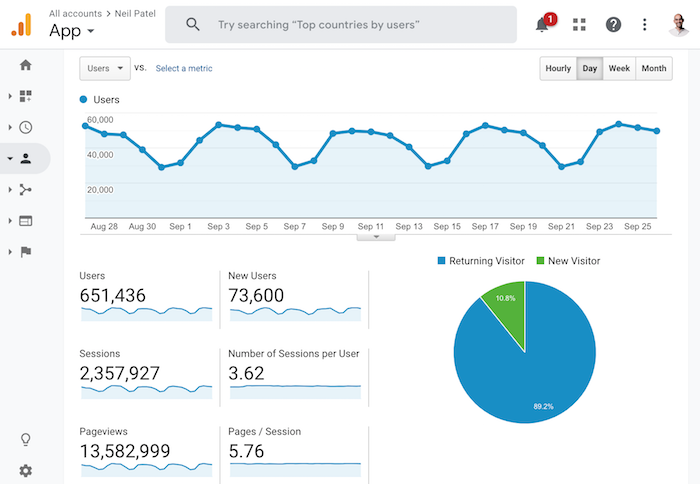
It’s been so effective that the traffic on Ubersuggest went from 117,425 unique visitors to a whopping 651,436 unique visitors that generates 2,357,927 visits and 13,582,999 pageviews per month.
Best of all, the users are sticky, meaning the average Ubersuggest user spends over 26 minutes on the application each month. This means that they are engaged and will likely to convert into customers.
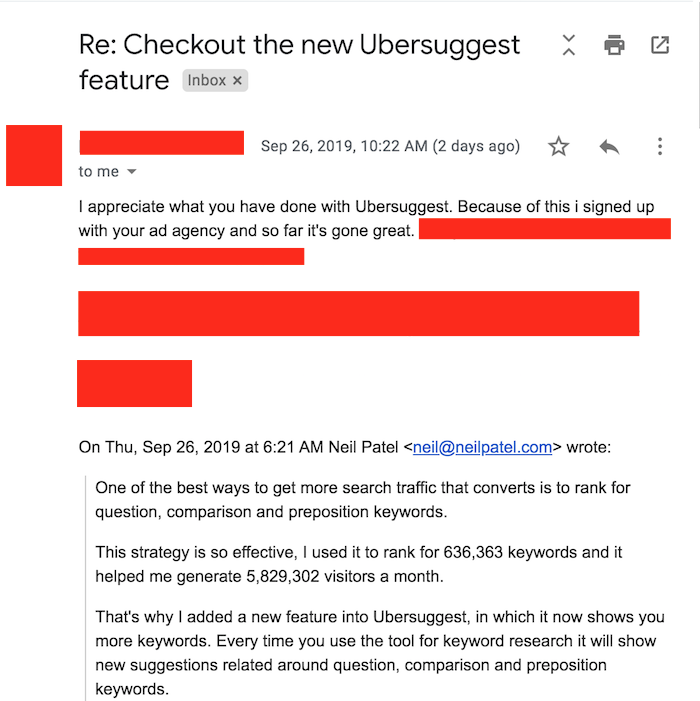
As I get more aggressive with my Ubersuggest funnel and start collecting leads from it, I expect to receive many more emails like that.
And over the years, I expect the traffic to continually grow.
Best of all, do you know what happens to the traffic on Ubersuggest when my site gets hit by a Google algorithm update or when my content stops going viral on Facebook?
It continually goes up and to the right.
Now, unless you dump a ton of money and time into replicating
what I am doing with Ubersuggest, but for your industry, you won’t generate the
results I am generating.
As my mom says, I’m kind of crazy…
But that doesn’t mean you can’t do well on a budget.
Back in 2013, I did a test where I released a tool on my old blog Quick Sprout. It was an SEO tool that wasn’t too great and honestly, I probably spent too much money on it.
Here were the stats for the first 4 days of releasing the
tool:
Day #1: 8,462 people ran 10,766 URLs
Day #2: 5,685 people ran 7,241 URLs
Day #3: 1,758 people ran 2,264 URLs
Day #4: 1,842 people ran 2,291 URLs
Even after the launch traffic died down, still 1,000+ people per day used the tool. And, over time, it actually went up to over 2,000.
It was at that point in my career, I realized that people
love tools.
I know what you are thinking though… how do you do this on a budget, right?
How to build tools without hiring developers or spending
lots of money
What’s silly is, and I wish I knew this before I built my first tool on Quick Sprout back in the day, there are tools that already exist for every industry.
You don’t have to create something new or hire some expensive developers. You can just use an existing tool on the market.
And if you want to go crazy like me, you can start adding multiple tools to your site… just like how I have an A/B testing calculator.
So how do you add tools without breaking the bank?
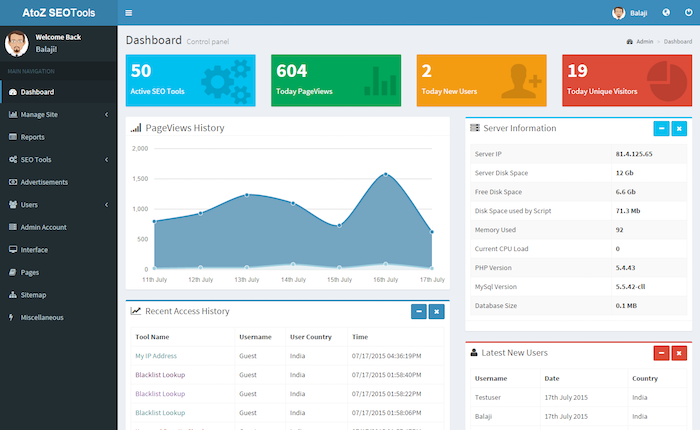
You buy them from sites like Code Canyon. From $2 to $50, you can find tools on just about anything. For example, if I wanted an SEO tool, Code Canyon has a ton to choose from. Just look at this one.
Not a bad looking tool that you can have on your website for just $40. You don’t have to pay monthly fees and you don’t need a developer… it’s easy to install and it doesn’t cost much in the grand scheme of things.
And here is the crazy thing: The $40 SEO tool has more features than the Quick Sprout one I built, has a better overall design, and it is .1% the cost.
Only if I knew that before I built it years ago.
Look, there are tools out there for every industry. From mortgage calculators to calorie counters to a parking spot finder and even video games that you can add to your site and make your own.
In other words, you don’t have to build something from scratch. There are tools for every industry that already exists and you can buy them for pennies on the dollar.
Conclusion
I love SEO and always will. Heck, even though many SEOs hate
how Google does algorithm updates, that doesn’t bother me either… I love Google
and they have built a great product.
But if you want to continually do well, you can’t rely on one marketing channel. You need to take an omnichannel approach and leverage as many as possible.
That way, when one goes down, you are still generating traffic.
Now if you want to do really well, think about most of the
large companies out there. You don’t build a billion-dollar business from SEO,
paid ads, or any other form of marketing. You first need to build an amazing
product or service.
So, consider adding tools to your site, the data shows it is more effective than content marketing and it is more scalable.
Sure you probably won’t achieve the results I achieved with Ubersuggest, but you can achieve the results I had with Quick Sprout. And you can achieve better results than what you are currently getting from content marketing.
What do you think? Are you going to add tools to your
site?
weatherstack provides real-time, historical, and even forecast data up to 14 days in advance. Licensed from some of the world’s biggest weather stations and weather data providers, the information provided by weatherstack’s simple to use API gives you an accurate picture of the conditions on the ground, wherever your users access your site from.
Trusted by over 75,000 companies, including many household names, weatherstack delivers its data in JSON format, making it easy to integrate with any site or app, whether you’re using Node, PHP, or any other modern language.
Oh, and did we mention the core features are free?!
What Use is a Weather API?
How useful a weather API is, depends very much on how inventive a designer you are.
OK sure, there are some obvious uses for a weather API: If you’re running a hotel or resort, it’s good manners to let guests know what conditions to expect when they arrive; If you’re the mayor of a small town responsible for a local government site, you might see it as a public service to let citizens know whether they’ll need an umbrella today; If you’re selling sunscreen, it’s an awesome idea to let people know that the sun’s going to be out for the next week, and adding some factor 50 to their cart is a wise choice.
Those are all pretty common uses for weatherstack, but there’s a lot more that can be done with an accurate weather API.
Imagine you’re running an event like a charity bike ride, or an outdoor barbecue, those are activities that are fundamentally altered by the weather, it’s a great idea to let people know in advance what the weather’s going to be like so they can come prepared.
Sell sunglasses when it’s sunny, raincoats when it rains, and snow chains when it snows
Knowing what the weather is going to be like can also be a huge boost for sales teams — enough even to push marginal e-commerce stores into profit. Just because someone is visiting your site to order a waffle iron, doesn’t mean they won’t buy some sunglasses if a sale offer pops up and the weather outside their window’s looking good.
If there are high-winds in the coming week, hardware stores might offer chainsaws and leaf-blowers, marinas could advise members to check their boat at the earliest opportunity, restaurants could contact customers with reservations on the terrace and offer them a table inside instead.
Tailoring your offering so that featured products are chosen seasonally is good UX. Tailoring your offering so that featured products are chosen based on the actual conditions outside is great UX. Sell sunglasses when it’s sunny, raincoats when it rains, and snow chains when it snows.
Of course, all of these things can be done manually, but why respond manually when you can automate using weatherstack’s weather API and maximize both sales and customer satisfaction across the board. And if you’re selling over a wide area, you will need to automate, because weather varies from location to location. There’s no sense offering Floridians raincoats, unless that is, weatherstack says there’s a tropical storm on the horizon.
Perfecting UX with weatherstack’s API
The greatest challenge faced by UX designers is understanding users. We can test how people navigate, we can measure how groups of people search, but we don’t have any way of gauging a user’s emotional state. Does the user accessing your site feel happy, or sad? Will they respond to an upbeat message, or do they want to complete their task and leave?
The weather is a huge influence on us. When the heat rises, and stays high for days, tempers quickly fray. When it’s cold and wet, people naturally feel low. When the sky’s blue and the air is warm people relax. When the mornings are bright and crisp people are more productive.
there’s almost no website that wouldn’t benefit from knowing a little more about the person on the other end of the fiber-optic cable
These are generalizations (as Shirley Manson once observed, some people are only happy when it rains) but with careful assessment it’s possible to predict the mood of the majority of your users, based on the current weather.
Let’s say you run a site that displays recipes, you have a few hundred options for users to choose from. You feature three recipes on the homepage that you hope will tempt hungry users into clicking into your pages for more details. Until now, those featured recipes would be chosen either by popularity — creating a self-fulfilling set of predictions — or more likely, chosen at random. With weatherstack you can tap into what your users are actually thinking: If it’s rainy and cold in their neighborhood then feature warming wholesome foods like chilli or apple pie, if it’s hot and sunny suggest pizza and homemade ice-cream. The next time your user needs a recipe they’ll come straight to your site because it seemed like you knew what they were thinking. And guess what…you did!
As human beings our lives are forever affected by the weather, and there’s almost no website that wouldn’t benefit from knowing a little more about the person on the other end of the fiber-optic cable.
By understanding the environment of the person you’re communicating with, you can start to build a bond that helps convert a casual customer into a passionate advocate for your brand.
Why Choose weatherstack
weatherstack is a reliable and accurate API, provided by apilayer, one of the most trusted names in APIs.
Sign up for a free weatherstack account and its 1…2…3 style instructions will have you retrieving weather data in minutes. And as you might expect if you’ve used an apilayer product before, the accompanying documentation is exceptionally good.
Once you’ve tapped into the power of weather data, we’re confident you’ll want to go beyond the free account. weatherstack provides three levels of premium access depending on your needs, ranging from $9.99/month for extra API calls, encryptions, and hourly data, to $99.99/month giving you access to a full 14-day forecast and bulk queries. What’s more, weatherstack is built to be scaleable, so you can start out with a free account and grow at your own pace.
[– This is a sponsored post on behalf of weatherstack –]

 Every week users submit a lot of interesting stuff on our sister site Webdesigner News, highlighting great content from around the web that can be of interest to web designers.









 Hey kids, you ready for me to tell you all about this newfangled thing called Bootstrap? Well get un-ready, ‘cause I’d never do that to you. It’s not that Bootstrap isn’t great, it’s just that if you work in web design, and you’ve been paying any attention at all, you already know about it.