Our Jacksonville, FL SEO, Web Design, Social Media, and Digital Marketing Services are sure to deliver results. We are completely aligned with our clients in that the only reason one should partner with an Online Marketing Agency is to increase the amount of money the business makes.
Every week users submit a lot of interesting stuff on our sister site Webdesigner News, highlighting great content from around the web that can be of interest to web designers.
The best way to keep track of all the great stories and news being posted is simply to check out the Webdesigner News site, however, in case you missed some here’s a quick and useful compilation of the most popular designer news that we curated from the past week.
Note that this is only a very small selection of the links that were posted, so don’t miss out and subscribe to our newsletter and follow the site daily for all the news.
Visually Distorted – When Symmetrical UI Looks all Wrong
What I Learned from 6 Months Leading a Design System
10 Small Design Mistakes We Still Make
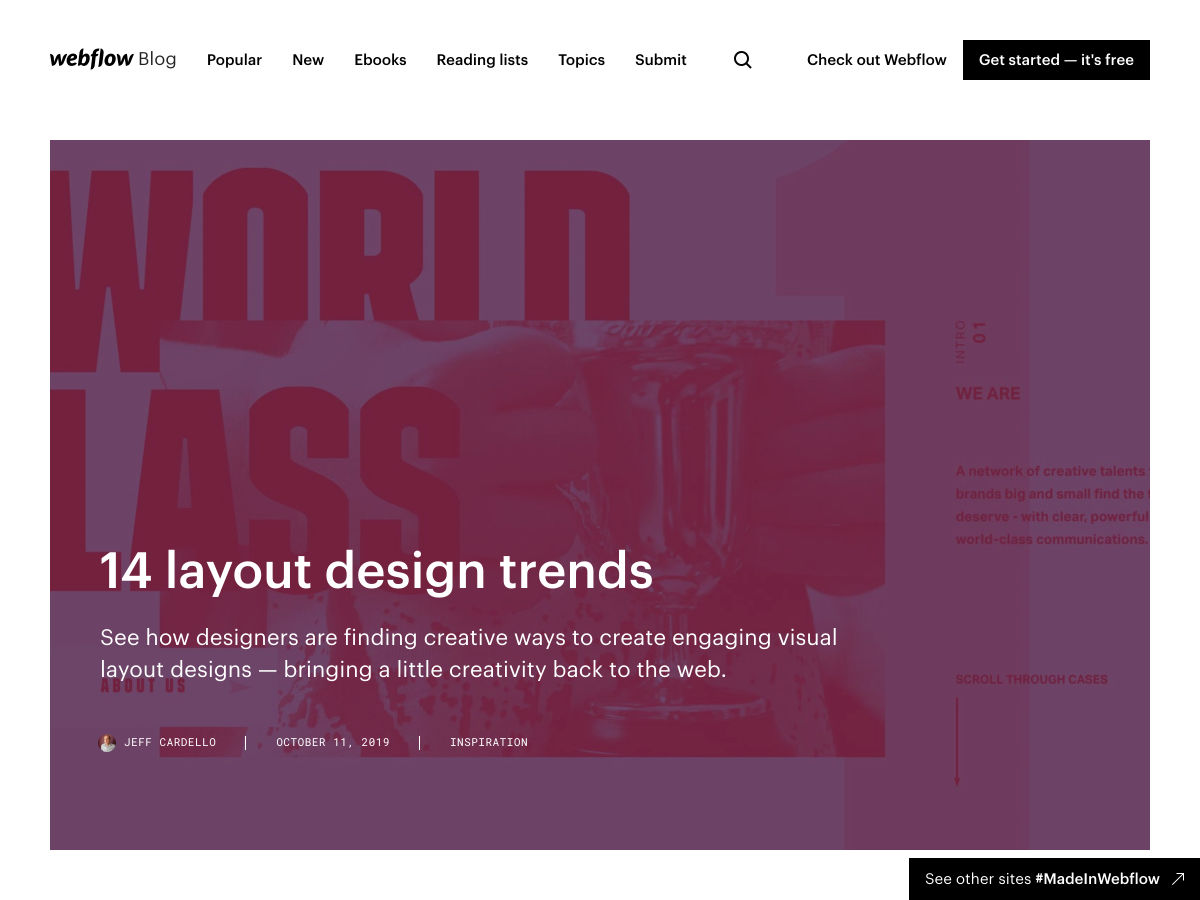
14 Layout Design Trends
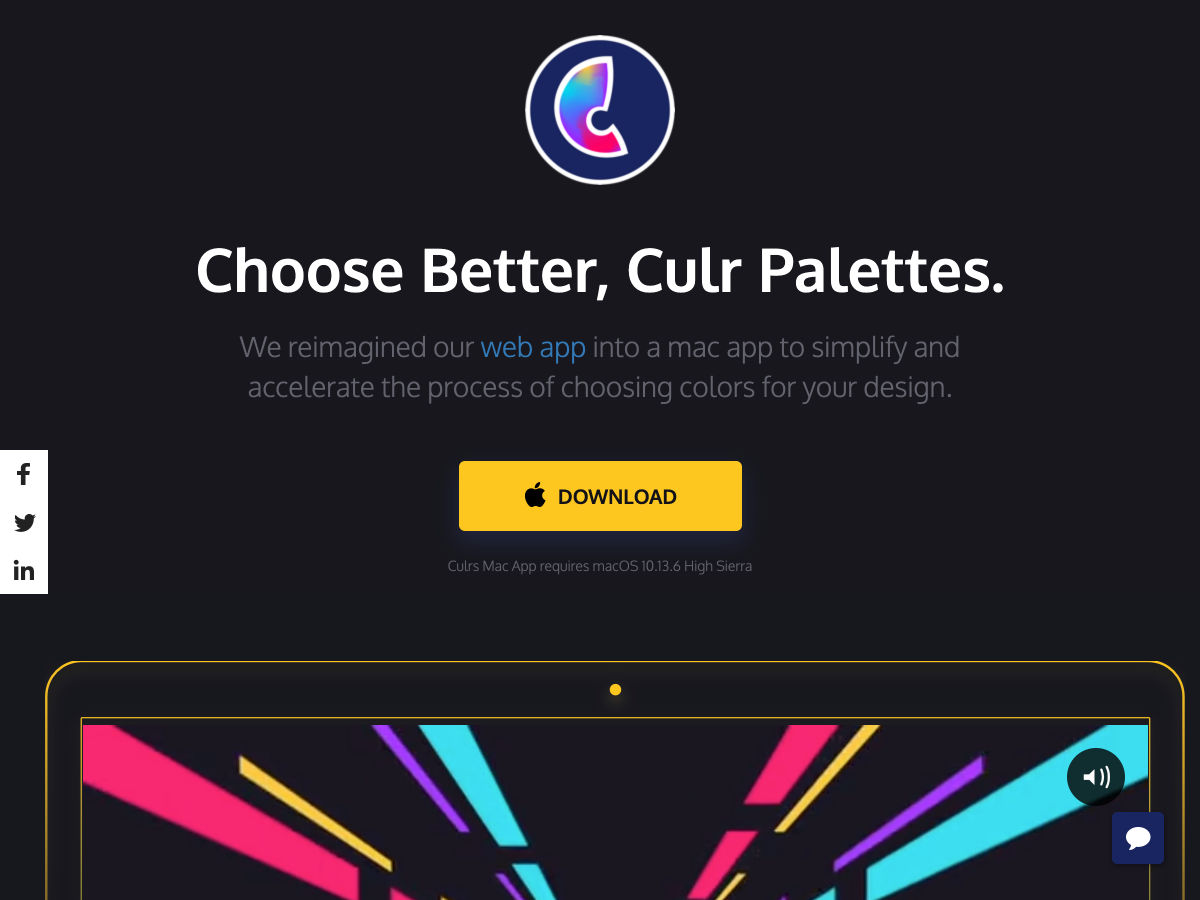
Culrs Mac App
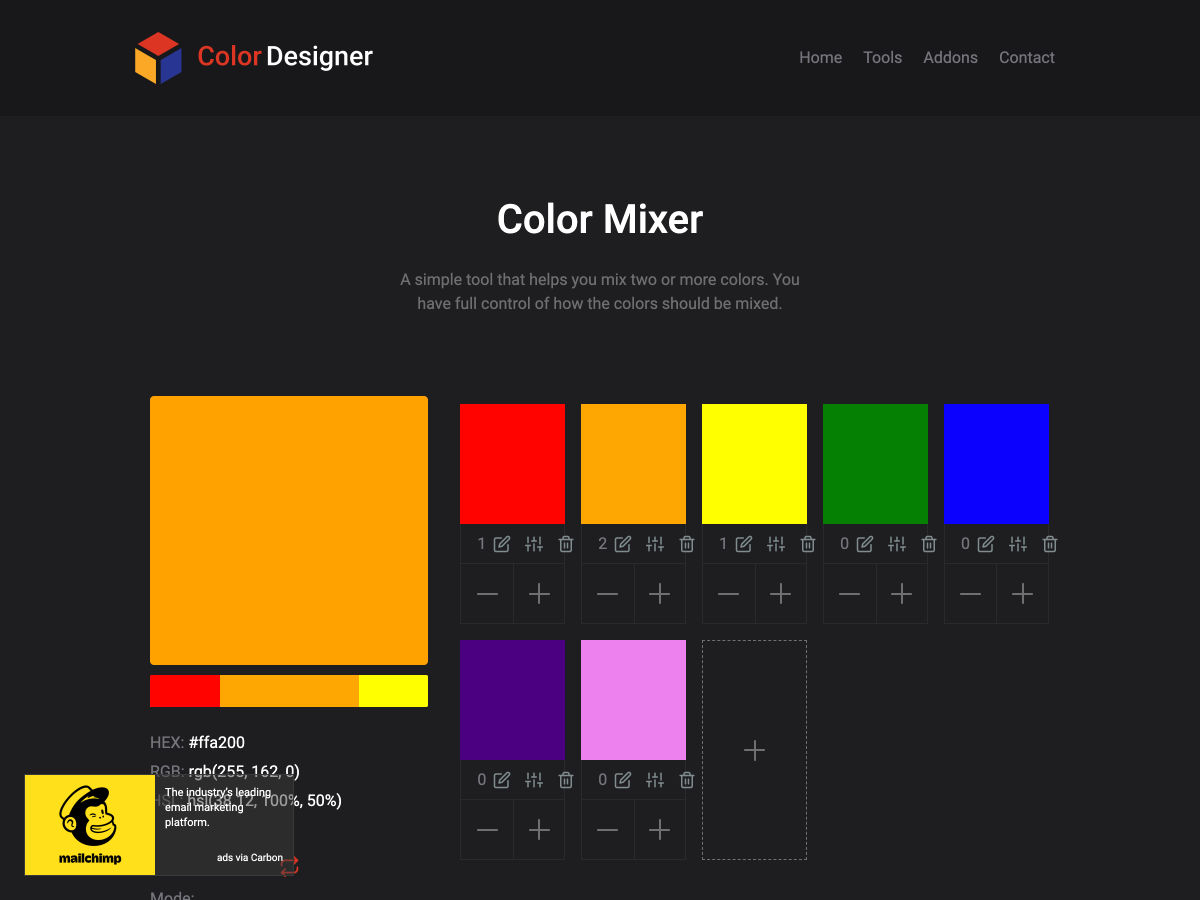
Color Mixer – A Simple Tool that Helps You Mix Two or More Colors
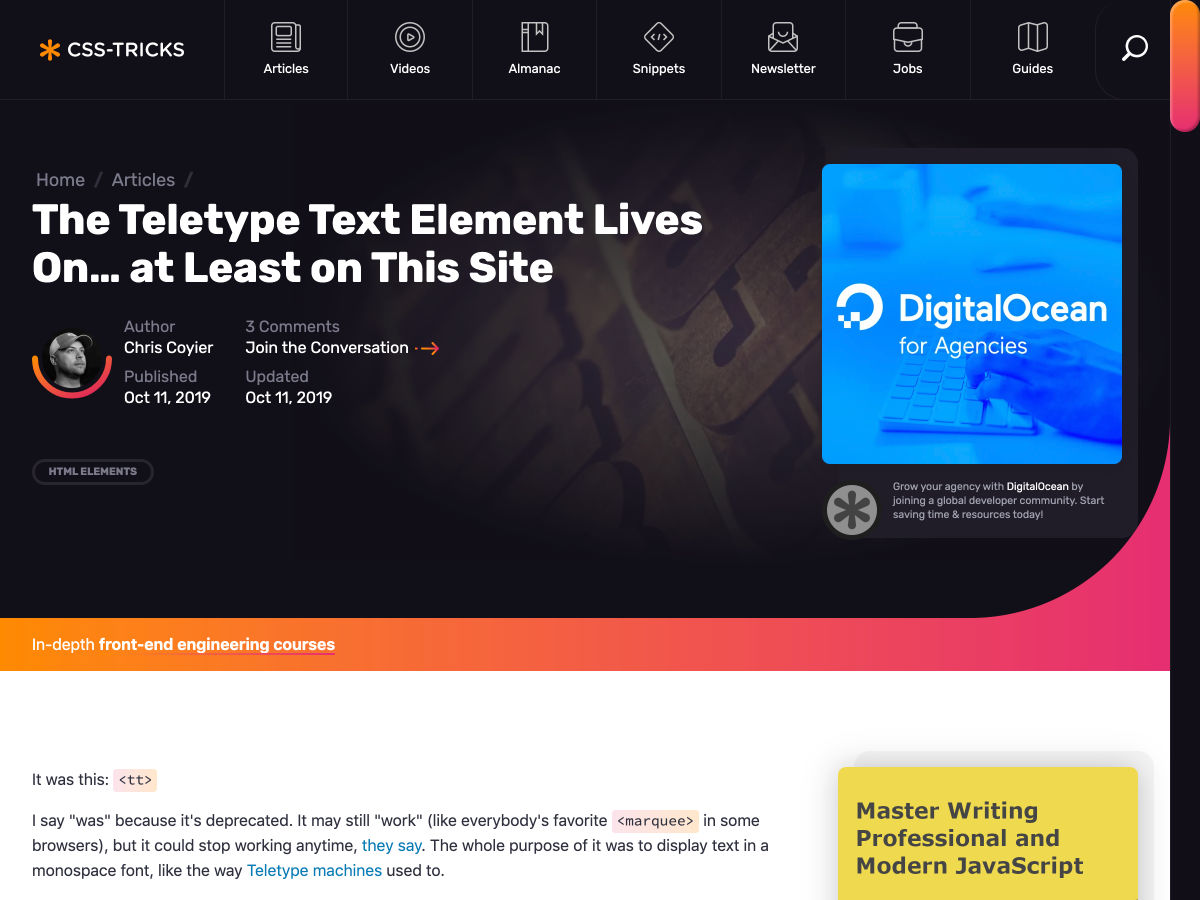
The Teletype Text Element Lives On… at Least on this Site
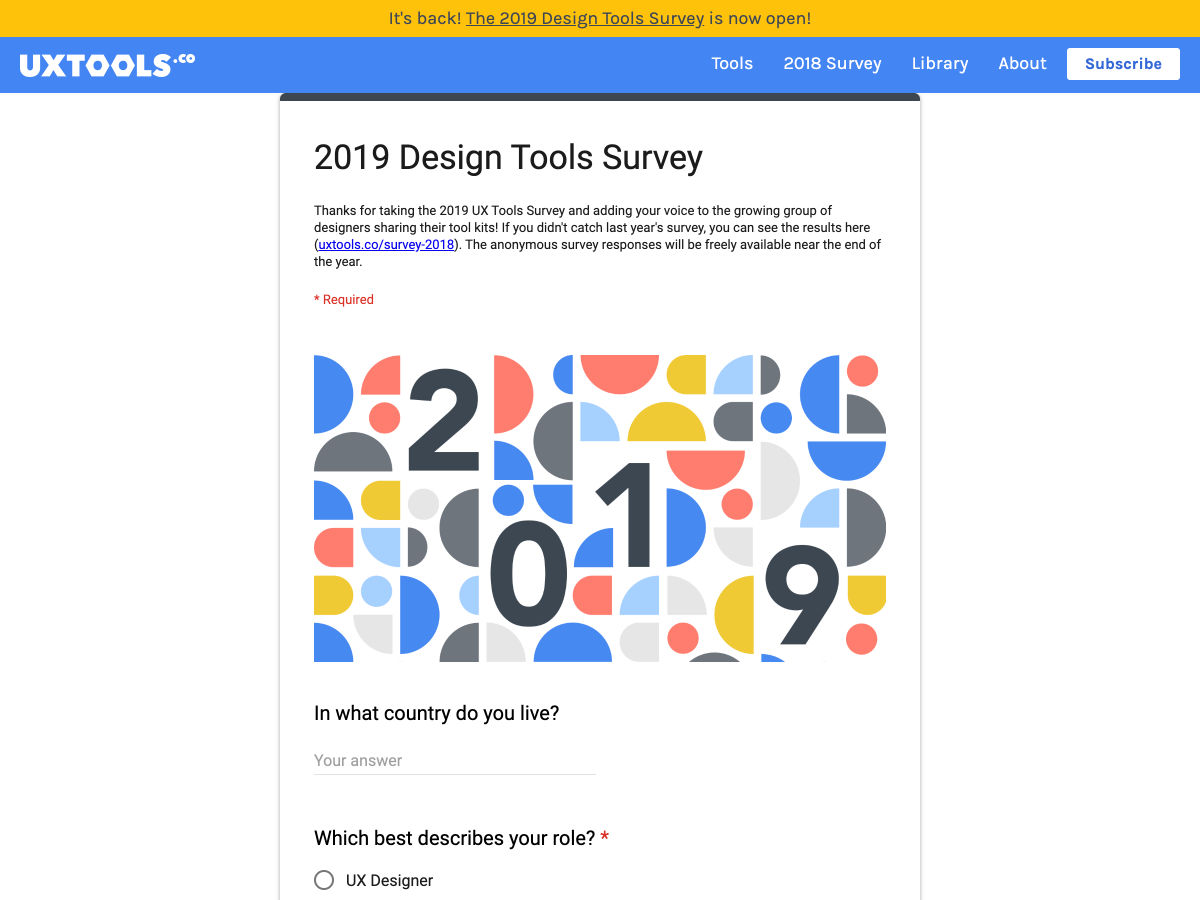
2019 Design Tools Survey
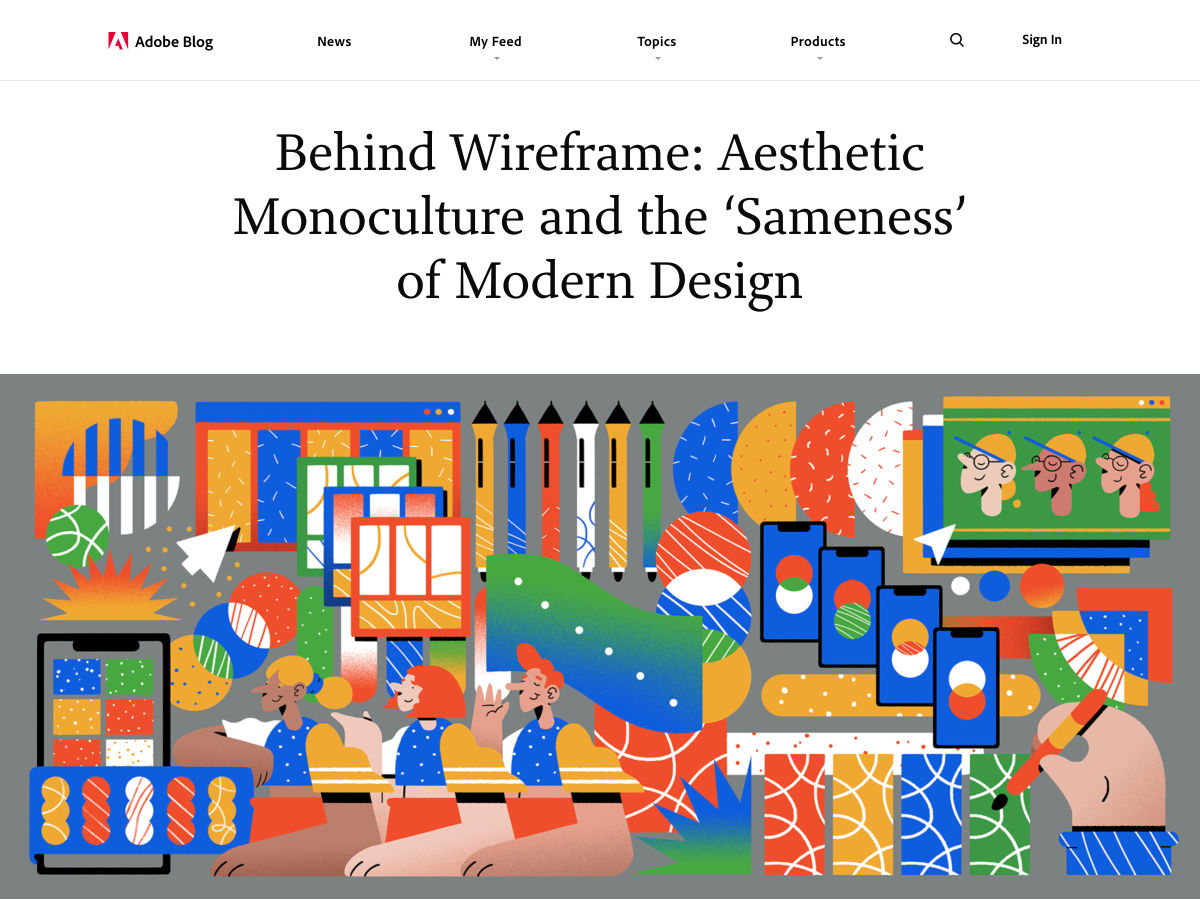
Why Does Modern Design all Look the Same (and Should It?)
How Ultra-Thin Lines in Web Design Can Create an Impact
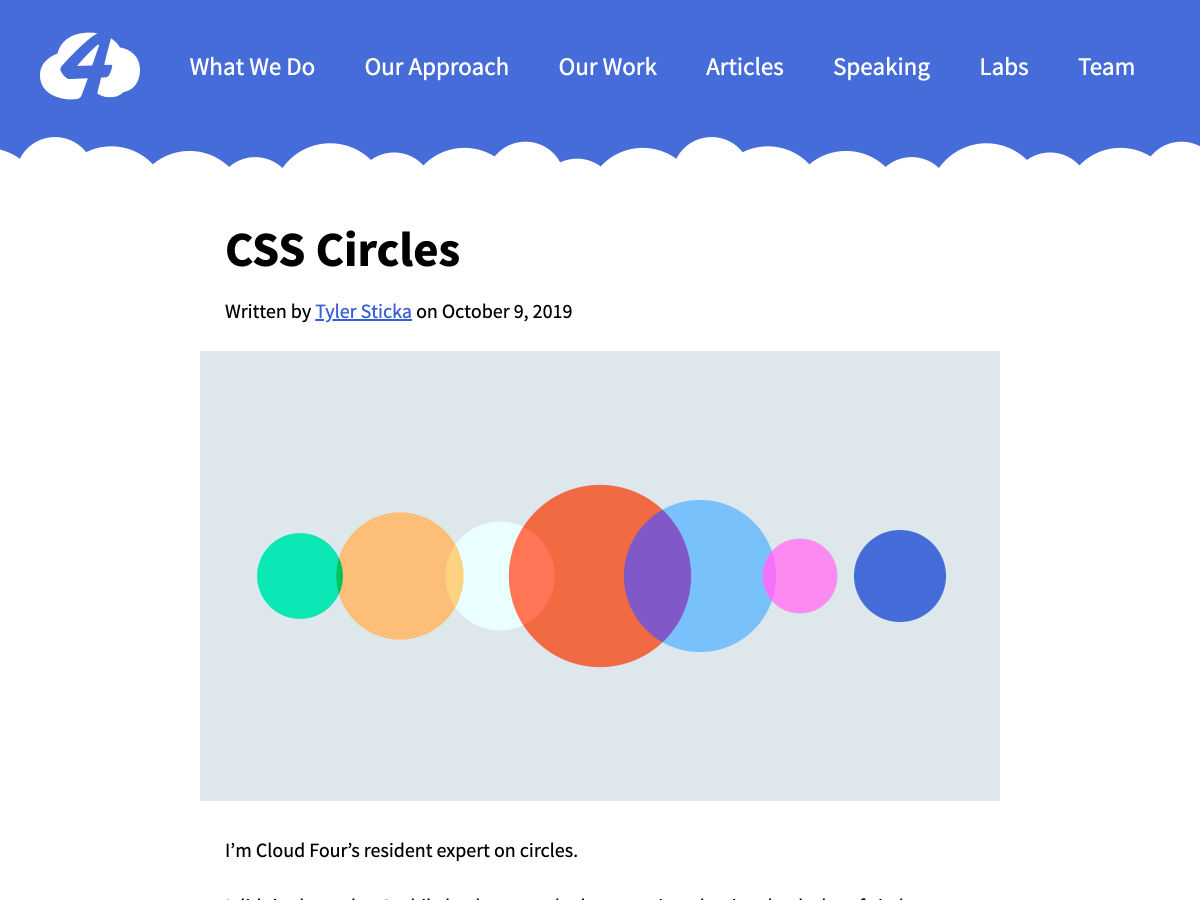
CSS Circles
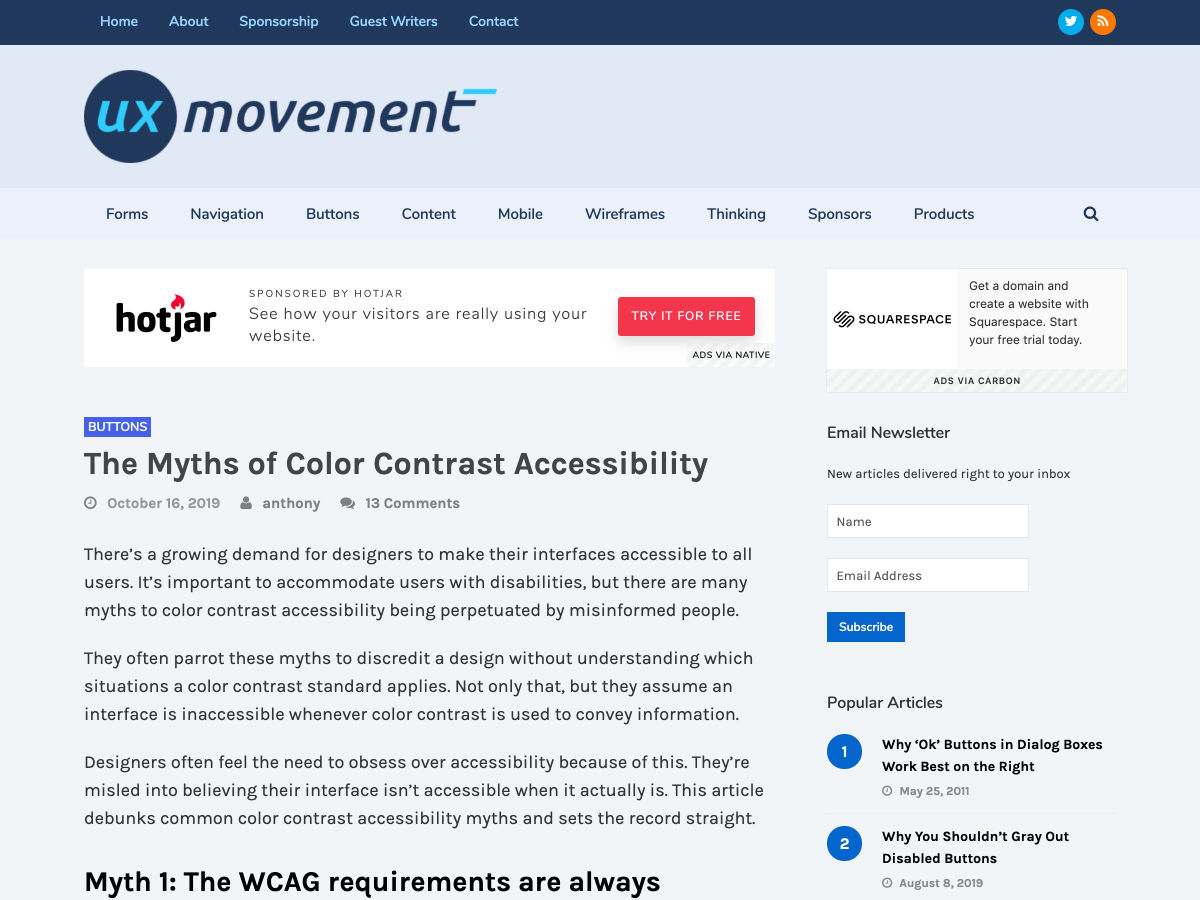
Debunking Color Contrast Accessibility Myths
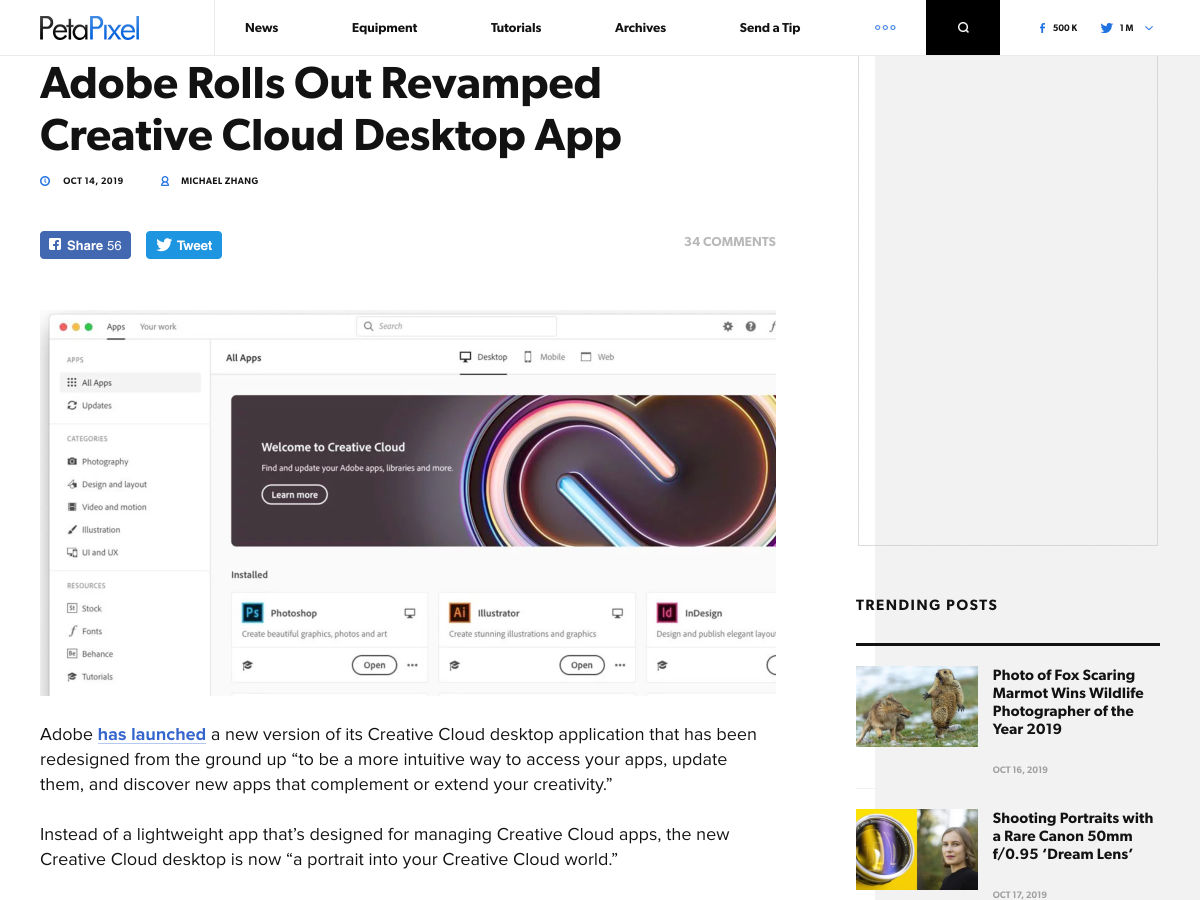
Adobe Rolls Out Revamped Creative Cloud Desktop App
16 Hours to Launch — a Breakdown of How I Designed, Built and Launched a Product Over a Weekend
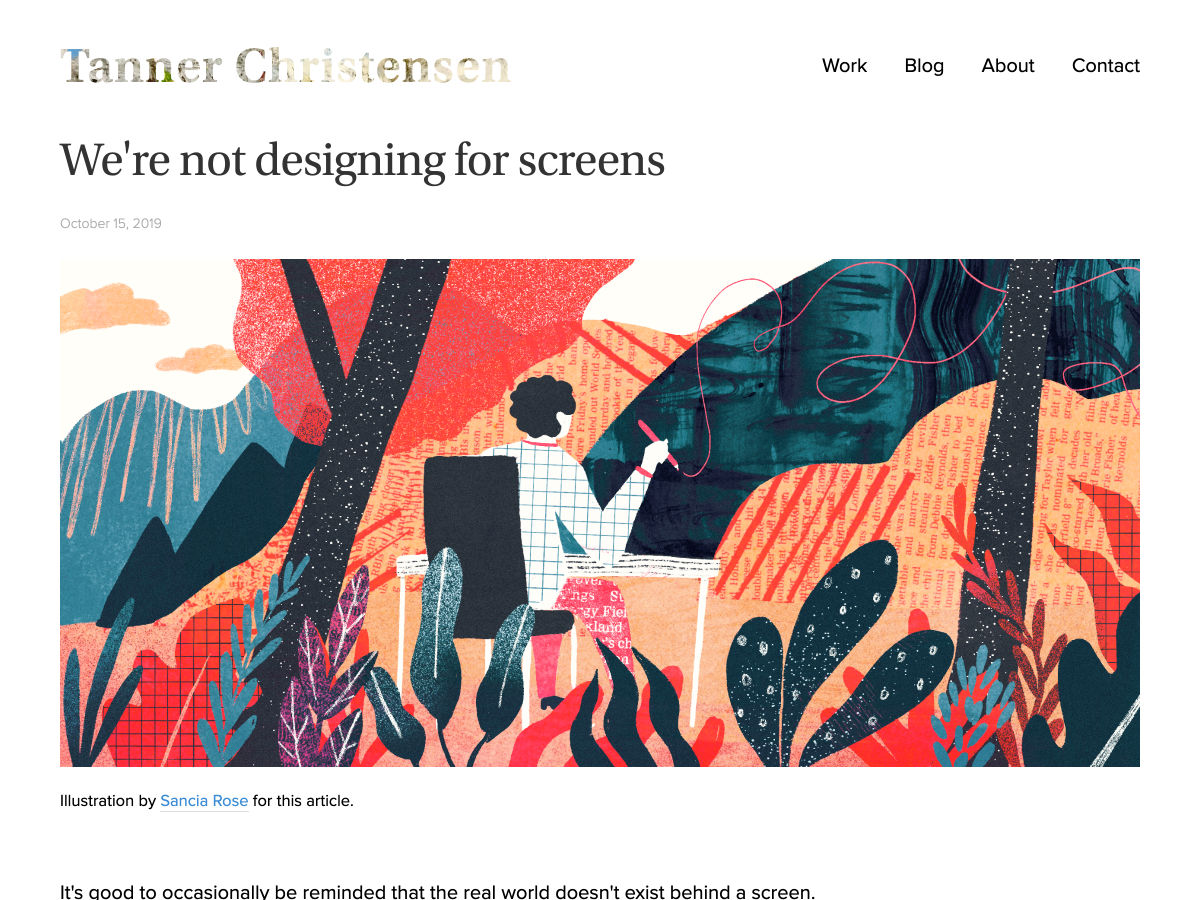
We’re not Designing for Screens
Why Consistent Writing Makes You a Better Designer
What Makes a Great Design Leader?
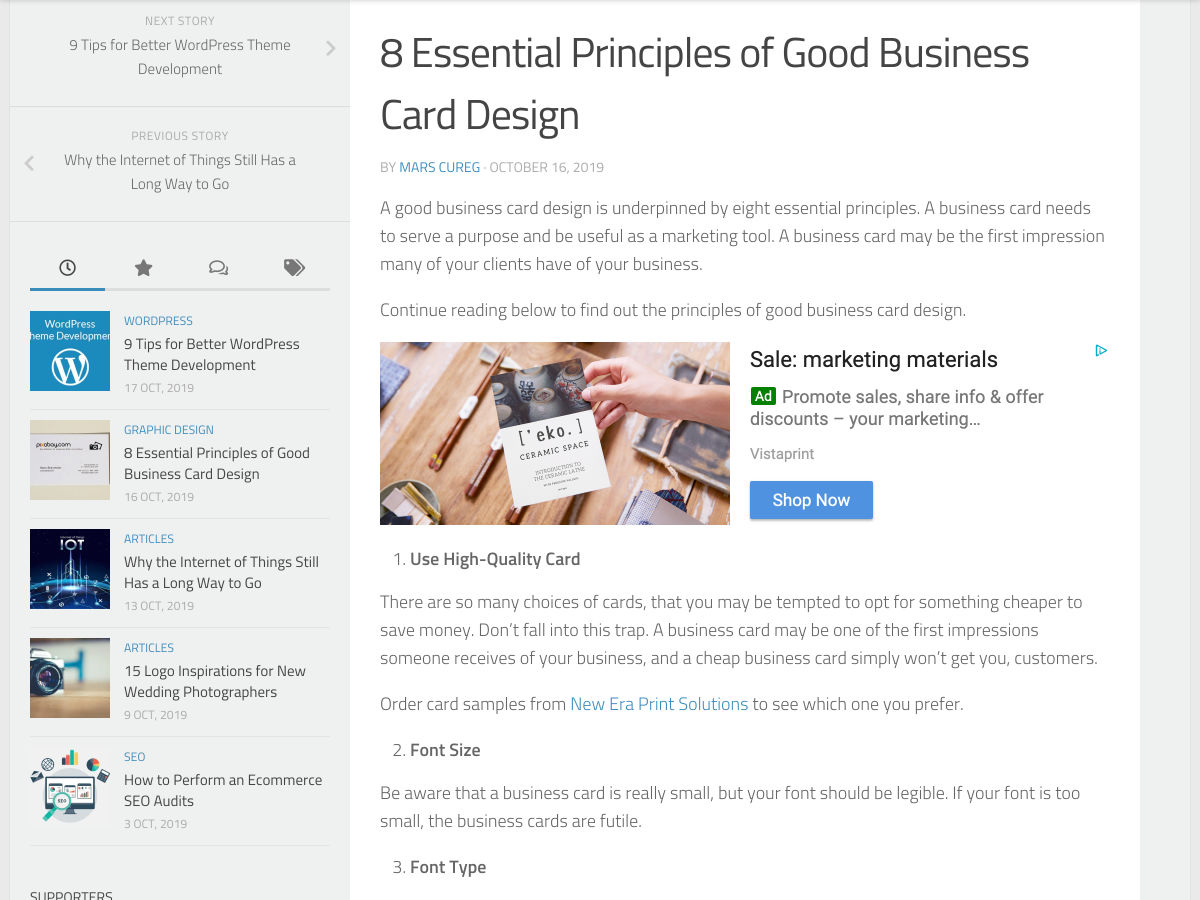
8 Essential Principles of Good Business Card Design
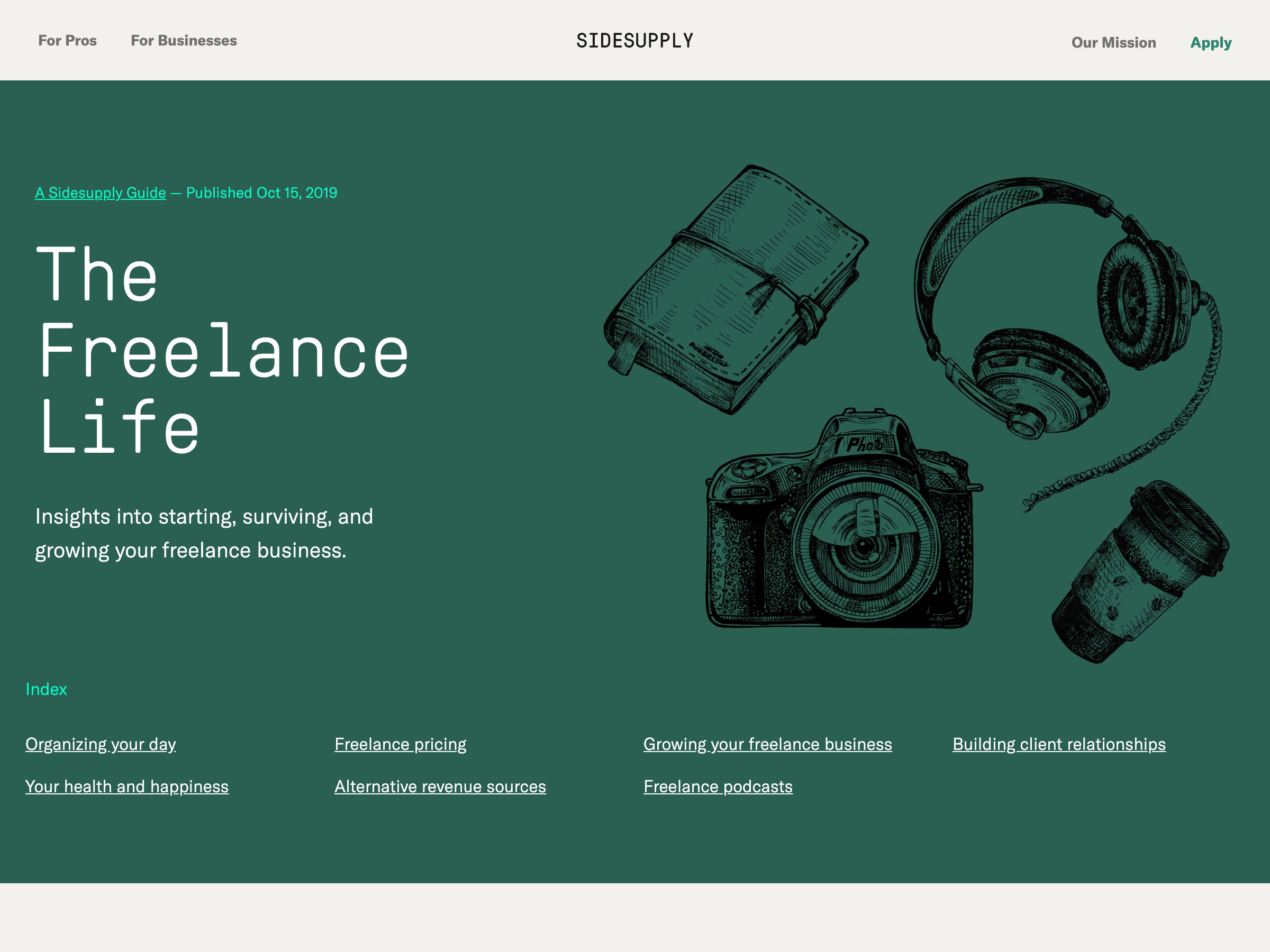
The Freelance Life
Practicing Ethical Design
When GoFundMe Gets Ugly
How to Interview Designers
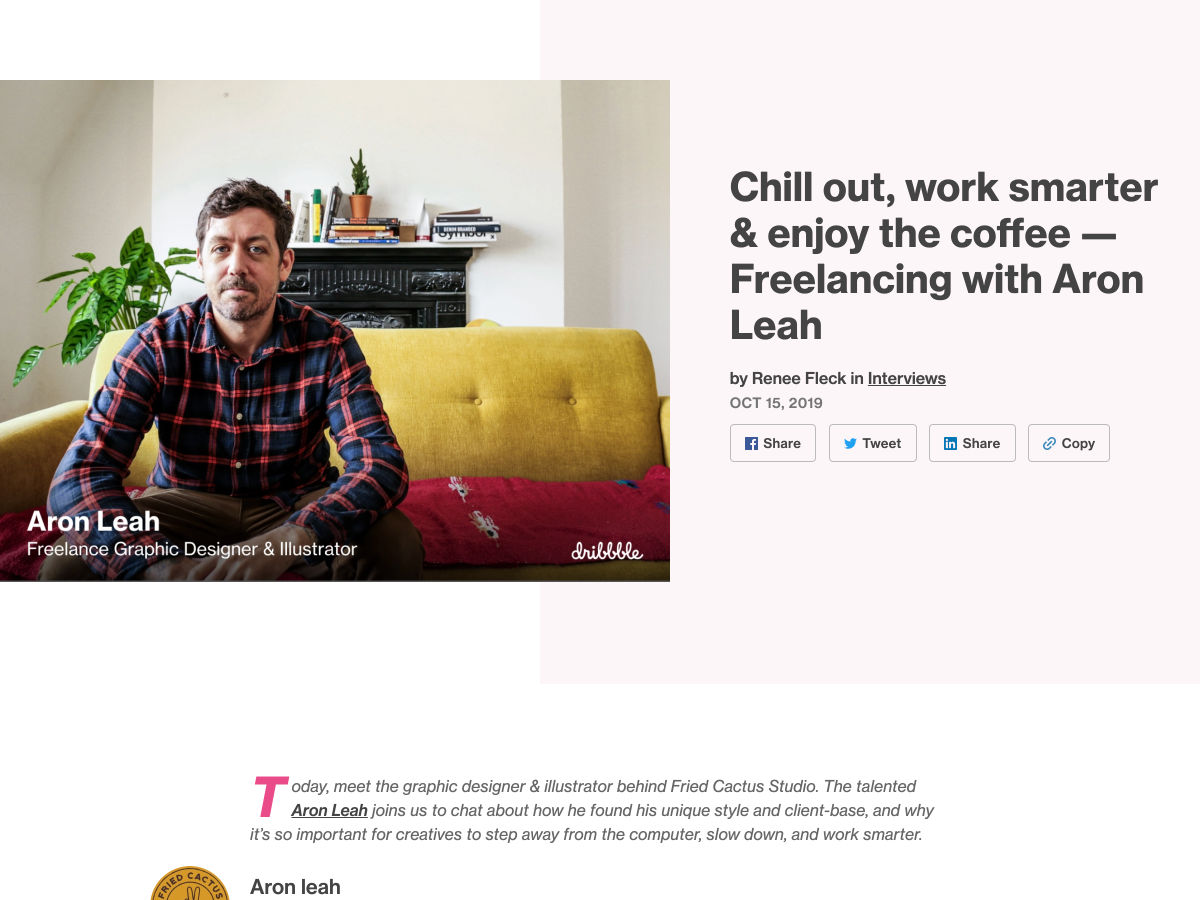
Chill Out, Work Smarter & Enjoy the Coffee – Freelancing with Aron Leah
How Frontend Developers Can Empower Designer’s Work
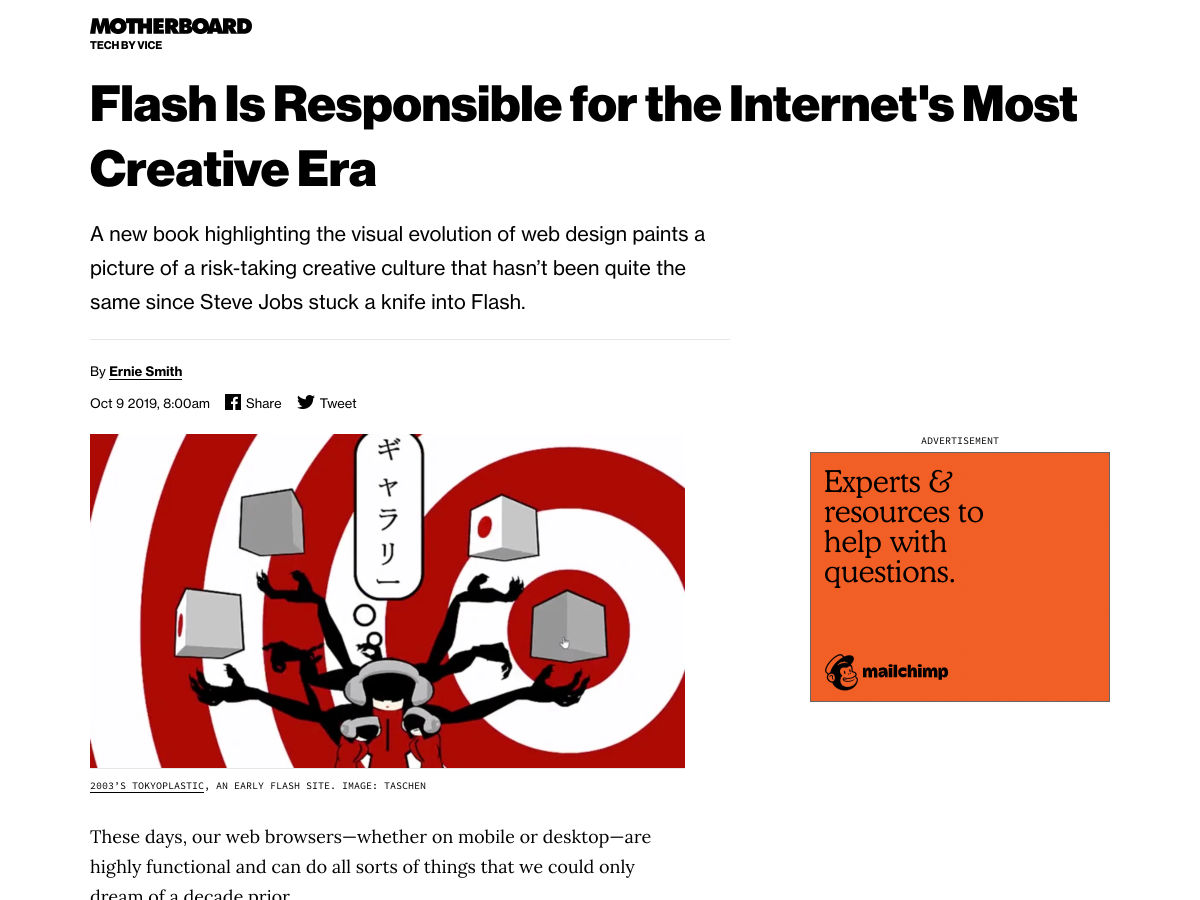
Flash is Responsible for the Internet’s Most Creative Era
Want more? No problem! Keep track of top design news from around the web with Webdesigner News.
As a web designer, you may be starting with little to no data of your own. It’s not until a website has launched (or relaunched) that you can start gathering real analytics on its performance. Even then, it can take awhile to draw any meaningful insights from it.
So, in many cases, what web designers are working with before and while they design a new website is industry data: audience insights; competitive research; keyword analysis; Google announcements; marketing surveys and reports.
For someone who builds websites day in and day out, it makes sense to watch industry insights closely. For your clients, though, it might not
For someone who builds websites day in and day out, it makes sense to watch industry insights closely. For your clients, though, it might not.
That’s because they come from a place where they make business decisions based on internal data — data about their audience, their location, their product, etc. They might use industry analytics as benchmarks, but not to drive something as important as their company’s direction.
Let’s take a look at why this issue might arise and how you can overcome it by showing how analytics from a website paired with industry data is the best solution for designing a website.
What if Your Client’s Analytics Conflict with Industry Data?
In 2015, Google announced that mobile searches had surpassed those on desktop. The news had everyone talking and eventually gave rise to trends like mobile-first, micro-moments, and voice UIs.
In the web design space, there was no direction to go in but mobile-first. That didn’t mean that desktop users were completely forgotten; it just meant that mobile needed to take a front seat when designing the user experience.
But let’s say you’re approached by a client who needs a redesign. They keep hammering home that they don’t want you to put too much effort into mobile since their analytics show that less than 9% of their traffic comes from mobile devices. The previous designer didn’t bother with mobile, so you shouldn’t either.
While it would be nice to give a definitive response to this, there are two possible reasons why their mobile traffic is so low:
They’re targeting an audience that isn’t heavy on mobile users to begin with;
The website was designed for desktop and so it doesn’t rank well for searches performed on mobile.
Now, you don’t want to brush your client off. Analytics are clearly important to your client, right? So what you need to do instead is broach the matter with facts.
Presenting Your Client with the Facts
There are a number of ways you can use hard facts to convince your clients that the direction you want to take their website is the right one.
1. Use Proof from Google
Mobile-first indexing officially became the way Google indexes and ranks all new websites in 2019. Even if your client believes that their audience primarily comes from desktop, it’s still important to play by Google’s rules in search if they want traffic from it.
If you really want to drive this point home, you could run their website through Google’s Mobile-friendly Test:
Seeing a result like the one the Yale School of Art gets would certainly help you strengthen your argument:
2. Use Proof from Their Own Google Analytics
While your client’s traffic mostly comes from desktop, it might be the previous designer’s choice to favor desktop that could be the reason for the low mobile numbers. If the website isn’t mobile responsive, let alone mobile-first, it’s not going to rank well.
That said, there might be more to the story than just, “We only get 8% of our traffic from mobile, so ignore it.”
Take your client to their Google Analytics and dig deeper into the Mobile tab.
You need to get them to focus on more telling analytics, like the bounce rate and average time on site.
Even if mobile traffic is lower (which you’ve already explained might be because the UI was designed for desktop) those users might be the ones that more favorably respond to the content on the site. And that’s ultimately what’s important here. They need visitors to look through the site and convert, not bounce away from it.
If you can use their own data to make the point that mobile visitors are a more worthwhile bunch to go after, it would make the decision-making process much easier.
3. Use Real Proof from Other Websites
Don’t forget to show them proof outside of Google.
Do you have case studies from clients you can share with them? If not, try to find examples from other designers or agencies to make your point. Make sure the websites are similar to theirs in terms of audience or goals, so they can see the correlation between the changes they made and what you’re proposing.
You can show them how:
A redesign from desktop to mobile didn’t just affect traffic, but conversions, too;
You want to paint this as a decision that’s in their best interest, not as something that’s going to cost them more money or that might compromise the amount of visitors they currently get.
A move to mobile (or any other data-backed change you’re proposing) will only help your client in the long run. Just make sure you show them that it’s the potent combination of on-site analytics and industry data that should drive their (and your) design decisions.
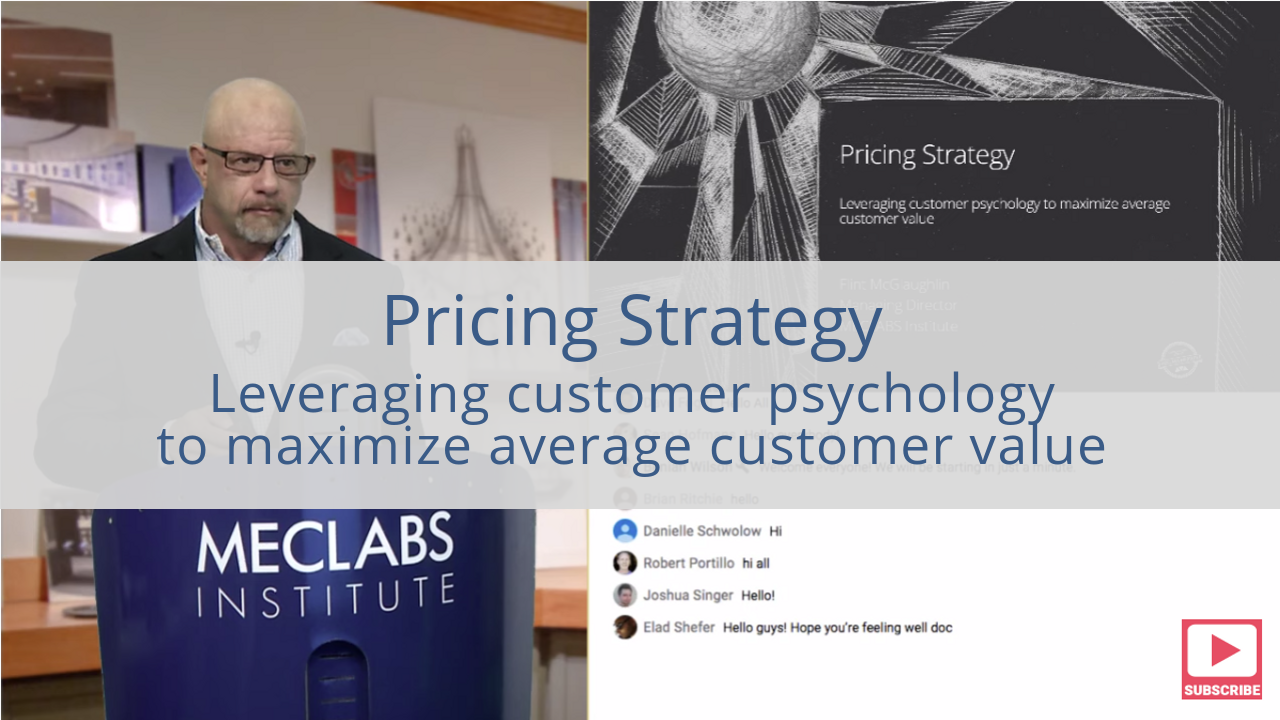
Today’s video replay is loaded with valuable information about how and when to present your price to the customer while on their journey to the final macro-yes — the purchase.
Flint McGlaughlin shares two key factors in pricing strategy — timing and intensity.
He explains the importance of using the customer’s maximum moment of motivation (MMM) to get the timing right. A common error marketers make today is to continue discussing your product’s value after the MMM has passed. This mistake can actually lessen your product’s perceived value in the customer’s eyes, decreasing conversions.
McGlaughlin introduces how to intensify your product’s perceived value by tapping into three primary human desires — pleasure, power and meaning — suggesting that one of these is the top motivator marketers should consider for their pricing/messaging strategy. In doing so, genuine value is added to the customer’s life, as well as the marketer’s.
Watch the replay of this YouTube Live interactive session to gain valuable insights for your pricing decisions.
The other day I was recording a podcast episode with my
co-host Eric Siu and he wanted to discuss something in particular.
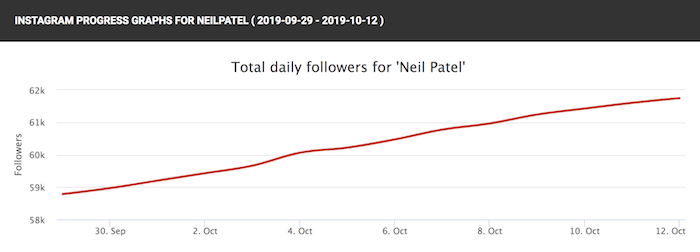
He wanted to talk about how I got to 62,000 Instagram followers in a very short period of time and without spending any money on ads or marketing.
Eric is a great marketer as well, and when it comes to
social media, he spends much more time than me on it and he even has people at
his ad agency dedicated to helping him grow his personal brand online.
It’s not just with Instagram either, I beat him on all
platforms.
Heck, he even does something that I don’t do, which is smart… he continually pays for advice. For example, he had his team jump on an hour call with Gary Vaynerchuk’s social media team so they could learn from them and grow his brand faster.
So, what’s the secret to my success?
Well, before I get into it, let me first start off by saying I love Eric to death and the point of this post isn’t to pick on him or talk crap… more so, I have a point to make and you’ll see it in a bit below.
I could even tell you that you need to respond to every comment and build up a relationship with your followers, which will help you grow your following and brand.
And although all of this is true, I dare you to try the fundamentals or the strategies that every marketing guru talks about doing. If you do, I bet this will happen…
It will be a lot of work and, if you are lucky, in the next 30 days you may get 10% more followers.
Sure, some of you will get much more growth, but you’ll find
that you can’t always replicate it and it won’t be consistent.
So, what is it then?
Is it luck?
Luck is part of some people’s success, but not most. The problem with luck is it doesn’t teach you much and it isn’t easy to replicate.
The reality is, some people will just get lucky and have tons of traction.
In other words, luck isn’t the secret. But if you do want to get “luckier”, then you can always become an early adopter which helps a bit.
How early is early?
When you jump onto a social network when it’s new, it’s
easier to grow and become popular.
For example, I got to over 30,000 Twitter followers
extremely fast when Twitter first came out.
At that time, I wasn’t as well known… it happened because of
a few reasons:
Social algorithms are favorable early on – algorithms are typically favorable and most people will see your content. There aren’t many restrictions, hence it’s easier to grow. After a social network becomes popular, algorithms tighten up.
Algorithms are easier to game early on – when you are early, you can use a lot of hacks to grow faster. For example, on Twitter, I would just follow tons of people a day and unfollow anyone who didn’t follow me back.
First movers’ advantage – social networks want more users, that’s what they need to succeed. In the early stages of any platform, they want to help you gain more of a following so you will keep using their platform.
But here is the thing: even though being an early adopter helps, it’s not the secret to my success.
Just look at Instagram, I am really late to the game. But I started growing fast just this year as that is when we really started.
If you can get in early, you should do so, assuming you have
the time to invest. For example, this is the time to get in on Tiktok.
When you get in early, there is always the chance that the social network may end up flopping. But if it does take off, you’ll be ahead of your competition.
So what did I do?
Here was the secret to my growth… and it still works today. Eric Siu is even doing it with me right now.
It’s piggybacking on brands that are already popular.
When I first started, no one knew who I was. And I’m not saying everyone knows who I am today… by no means do I have a large brand like Tony Robbins.
What I did early on in my career was piggyback off of other popular brands.
For example, I hit up Pete Cashmore from Mashable, Michael Arrington from TechCrunch, Adrianna Huffington from Huffington Post, and so many other popular sites like ReadWriteWeb, Business Insider, Gawker Media, and GigaOm to name just a few.
I know some of them don’t exist anymore, but back then they were extremely popular. Anyone who was in tech, and even some who weren’t, knew about each of those sites.
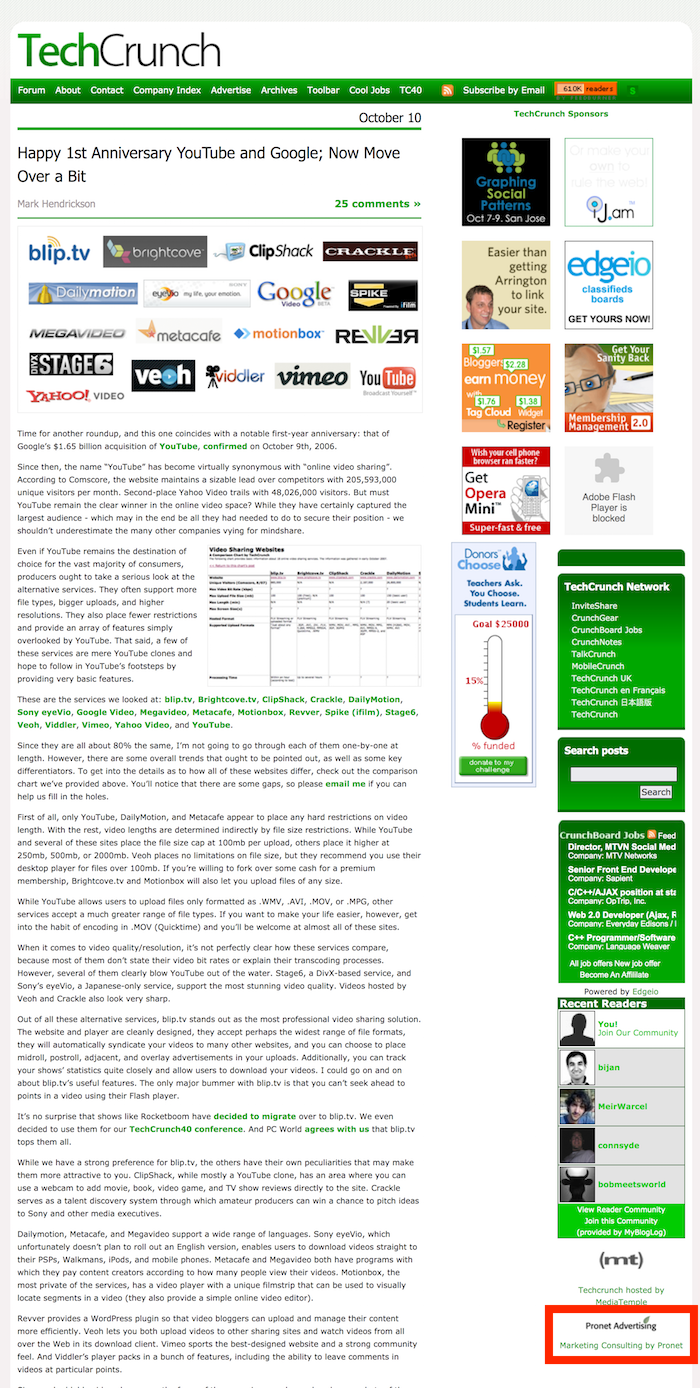
So, when I got started as a marketer, I hit up all of those sites and offered all of them free marketing in exchange for promoting my brand and adding “Marketing done by Neil Patel” or “Marketing done by Pronet”, which was my ad agency back then.
Just look at the image above. TechCrunch used to link to my site on every page of their site… forget rich anchor text, it really is all about branding.
The hardest part is, I had to email and message these
influencers dozens of times just to convince them to let me help them for free.
And a lot of them ignored me or didn’t accept my offer.
But of a few said yes.
Pete from Mashable was one of the first to say yes. Once his traffic and rankings skyrocketed, his competition hit me up. Especially TechCrunch.
What was funny, though, is that I was constantly emailing TechCrunch and didn’t hear back. 6 months from my first email, they eventually accepted my offer.
I made a deal with Michael Arrington at the time in which once I boosted his traffic, he would add a logo that I did marketing for him, which you saw above.
In addition to that, he would tell all of his venture capital friends what I did for him and share the results (so hopefully they would share it with their portfolio companies, which would help me make money) and write a blog post about me.
He didn’t end up writing the blog post, which is fine, but he
did the other two.
When he sent out emails to VCs showing a Google Analytics graph of his traffic growing at a rapid pace, I quickly got inundated with inquiries about my marketing services.
In addition to that, I was building up my brand… and my
social media following. I was gaining “social clout” because I was doing good
work for influencers.
One could argue that boosting traffic for someone like TechCrunch by 30% is worth millions and I should have charged for my services. Although I spent countless time doing free work, I wouldn’t trade it for any single dollar as it is what made me and helped build up my reputation.
And I didn’t stop there. Even today, I try to associate myself with other popular brands. Just like how I was lucky enough to work with Robert Herjavec, who has a popular TV show in the US along with Mark Cuban…
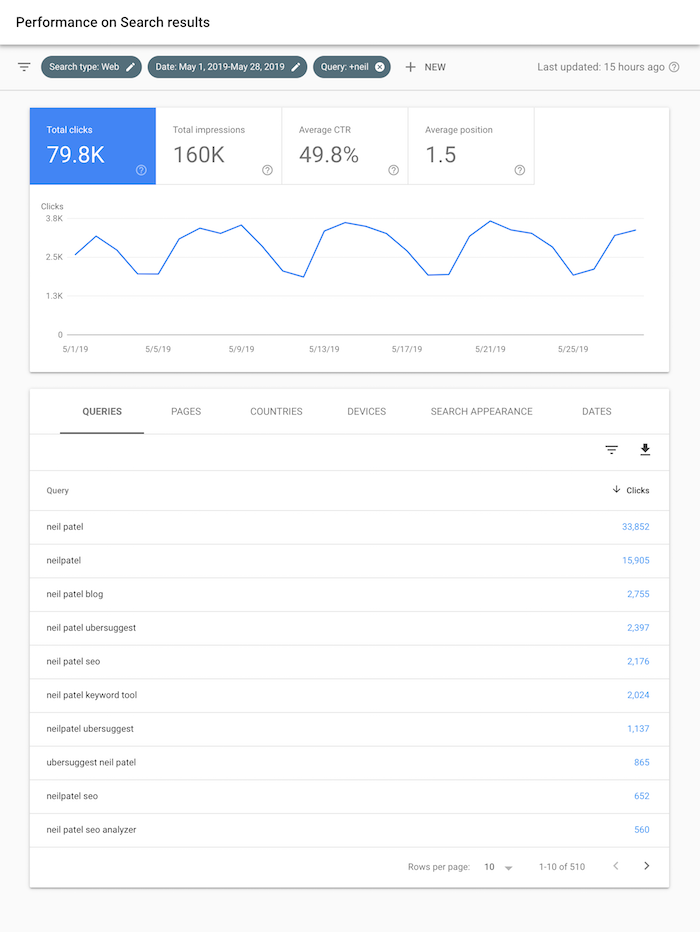
Here’s how many visitors I was getting for my name “Neil Patel” on a monthly basis before I started working with Robert.
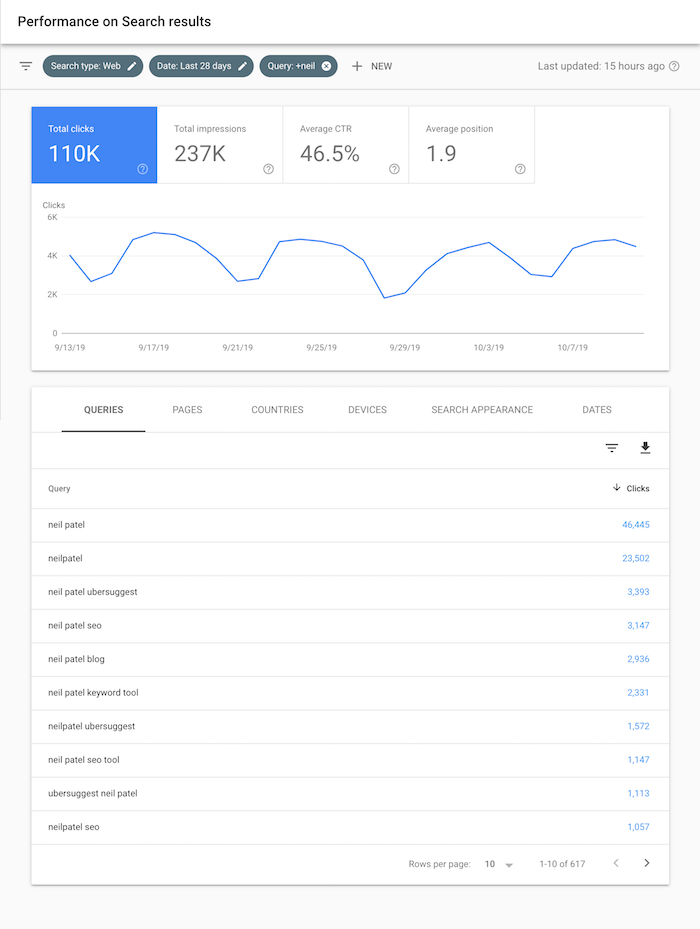
And this is how many visitors I get for my name on a monthly
basis a few months after I worked with Robert.
That’s a 37.84% increase in a matter of months!
By piggybacking off of popular brands, it doesn’t just help my website traffic but also helps to grow my social media following as well.
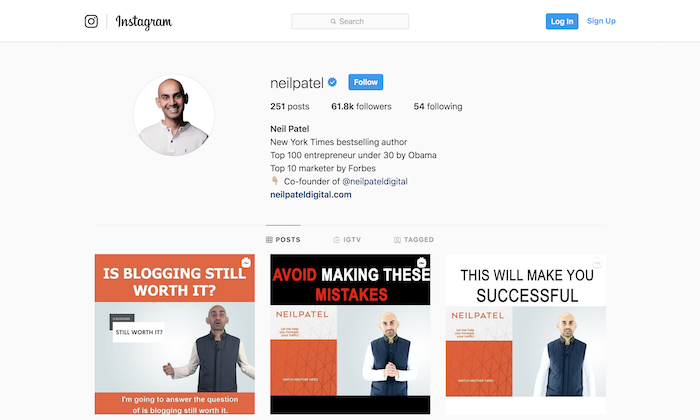
Just like as you can see below with my Instagram growth…
Now it isn’t just me who can do this, anyone can.
How can you piggyback off of other brands?
Just like how I piggybacked off of brands like TechCrunch, Eric is doing something similar to me at the moment.
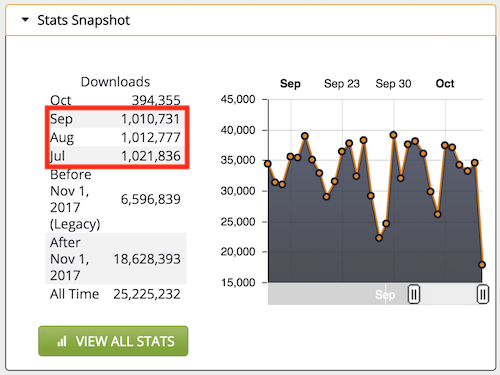
We have a podcast that generates over 1 million downloads a month.
Eric’s had a podcast for years, but the one he has with me has more than 10x the listeners. This has helped him grow his brand a lot over the last year.
Let’s just look at the data. According to Eric, due to the podcast, he has signed up 6 clients, which has generated 540,000 dollars in annual revenue.
Now when he goes to tech conferences, 3 to 4 people tend to come up to him and mention how they love Marketing School and his work. In addition to that, it has been easier for Eric to set up meetings (people respond back to him more now), and he is also getting advisory shares in companies due to his growing brand. And the best part is, he is getting more paid speaking gigs for up to $10,000 a pop because of the podcast.
The data shows it was a good move by Eric for partnering up with me. He pushed me to do a podcast years ago and I told him no because I was too lazy. He didn’t give up though. Eventually, he got me to say yes and flew to my house in Las Vegas to record our first episode.
He did all of the work and it has been a great mutual relationship as doing this podcast has also helped grow my brand at the same time.
Now you are probably thinking, why isn’t his follower count growing fast enough?
Well, he needs to do what he is doing with me with a few more influencers to really put fuel to the fire. Just like how I didn’t only piggyback off of TechCrunch… at one point the Gawker Media network was linking to me on every page of their sites, which was seen by over 100 million unique people per month.
That really gets your brand out there!
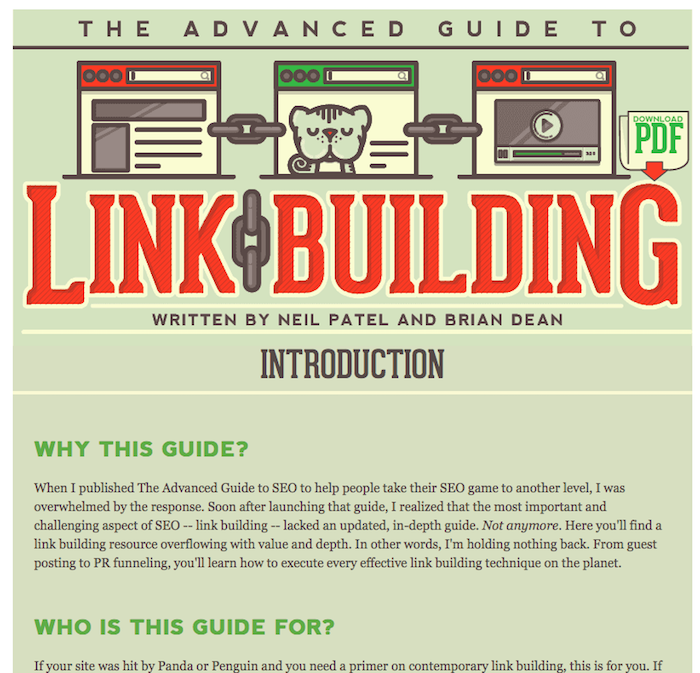
Another example is Brian Dean from Backlinko as he did something similar with me back in the day. Years ago I approached him to write a detailed guide on link building with him and he also created videos that were on my old marketing blog Quick Sprout, which helped him grow his brand.
I can’t take credit for “making” Eric or Brian successful. They would have done well without me… and in the grand scheme of things, I really didn’t do much for either of them.
It’s like saying TechCrunch made the Neil Patel brand. Of course, it helped, and helped a lot… but one partnership won’t make or break you.
And if I didn’t continually blog, create videos, speak at events, or do any of the other stuff that I did, the TechCrunch partnership wouldn’t have been as effective.
Eric and Brian would have grown their brand in other ways because their work stands for itself, hence they would have been successful on their own. I just helped provide a little boost, just like how TechCrunch provided me with a boost.
And once more people get to know you, you’ll naturally do
better on the social web.
For example, when Will Smith created his Instagram account, he didn’t have to buy ads or anything. Everyone just knows him already and that’s why his Instagram account blew up really quickly.
And you can do what Will Smith did on a smaller scale. Similar to what I did.
But don’t expect it overnight. Will Smith has been on television for over 20 years. It’s multiple shows, movies, and connections with other famous people that have really helped grow Will’s brand.
Of course, we won’t get on TV as Will has, but you can piggyback on other popular brands multiple times to create a similar (smaller) effect.
All you have to do is help these influencers out for free.
If you are a web designer, offer design services. If you are
a marketer, offer marketing services. If you are selling a product or service,
keep giving it away for free and maybe someone will talk about your company.
If you don’t have anything you can offer that has value, just look at whatever influencer you want to associate with, see where they may need help, learn that skill, and offer it for free.
It’s the easiest way to become popular on the social web.
Conclusion
That’s my secret to being popular on the social web.
It’s also how I built a decent size company… purely by
leveraging other popular brands in the early days.
You can do the same, but you have to be patient. Don’t expect it to happen overnight.
For example, Eric’s brand has been growing but we have been
doing a podcast together for over 2 years now.
Plus, he continually pushes on his own and doesn’t just rely
on leveraging other influencers.
Remember, nothing worthwhile happens overnight.
You have to be persistent with your emails, your direct messages, your text messages, and whatever else you can do to get a hold of these influencers. Most will ignore you but it is a numbers game and, eventually, you’ll be able to associate your brand with someone popular, which will grow your brand.
And last but not least: Don’t expect an influencer to make you successful. Sure, multiple influencers are better than one, but that’s not what I meant.
If Brian Dean from Backlinko wasn’t good at link building, creating content, SEO, and educating, he wouldn’t do well… no matter who he associated himself with. The same goes for Eric.
Your skills, your abilities, your product… whatever you are
trying to brand needs to stand on its own.
So, what do you think about my secret? Are you going to
copy it?
Is the eerie spirit of Halloween haunting your designs? Find spooky inspiration in these ten ghoulish illustrations, videos, and photos.
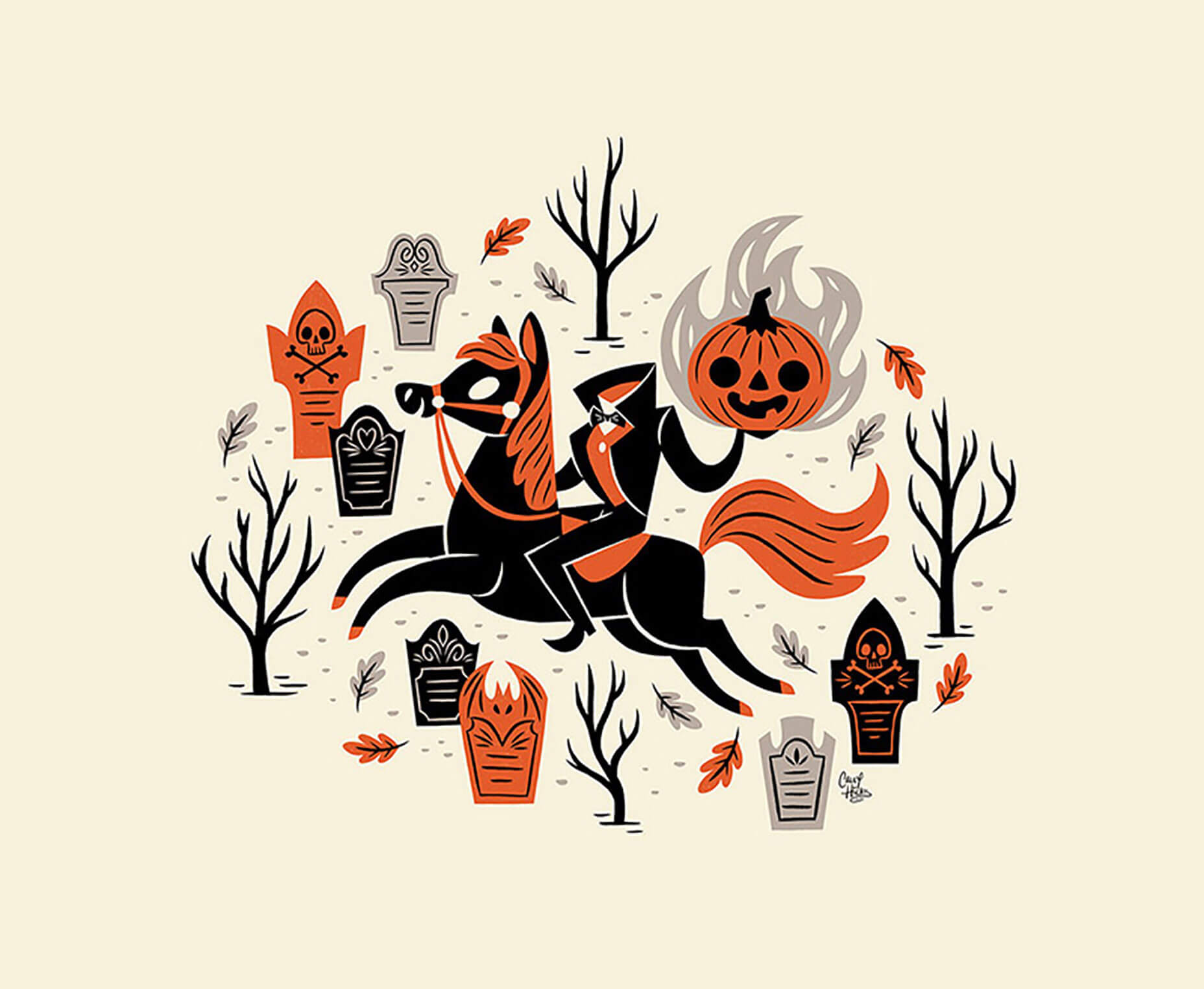
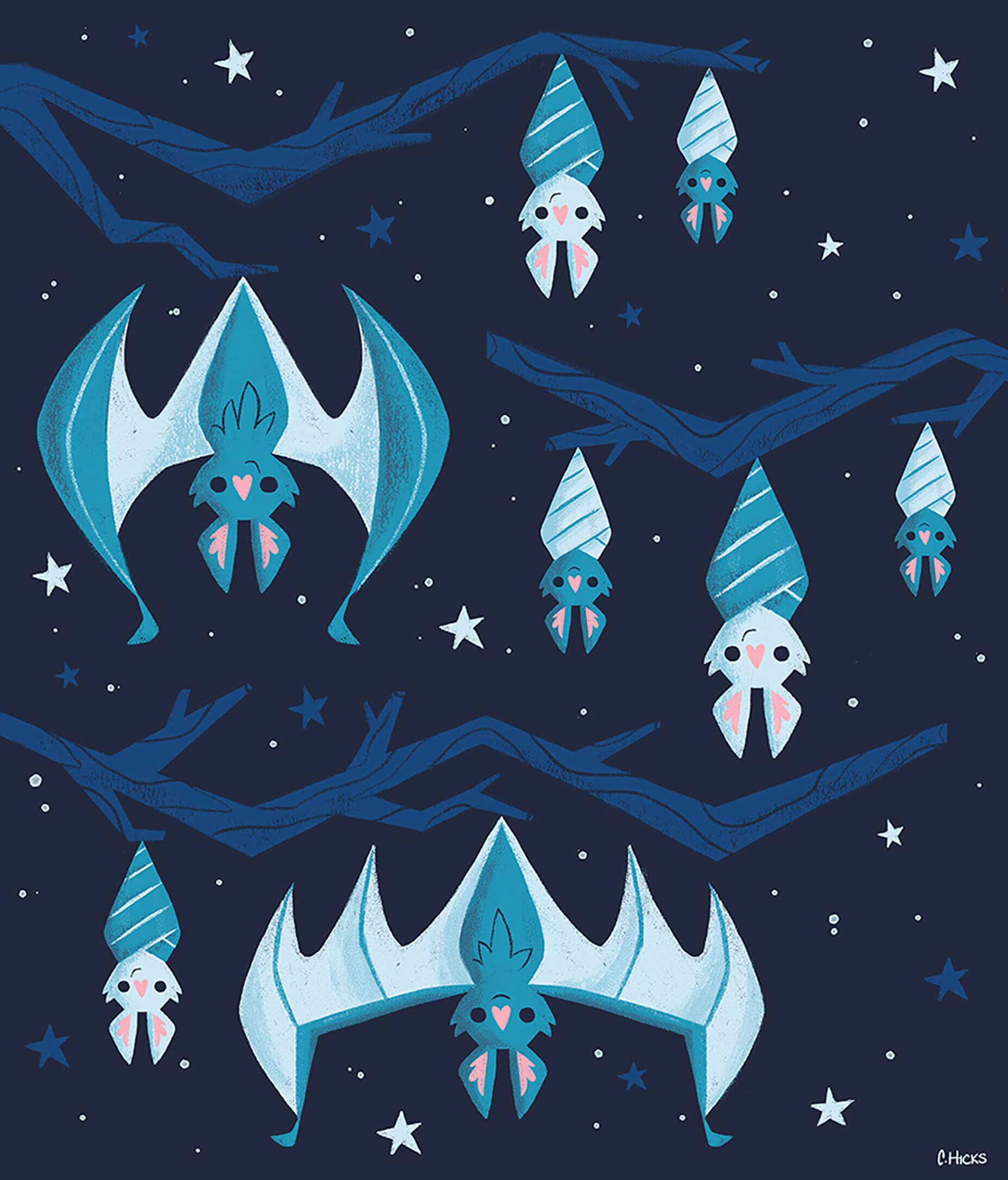
From Polish artist Piotr Jabłoński’s off-kilter and unnerving fantasy paintings to Caley Hicks’ cutesy take on Halloween themes, you’re sure to find something here to get you in the spooky mood.
Looking for spine-chilling photos, graphics, and video clips to use in your projects? Don’t miss our ultimate curated Halloween collection.
1. Día de los Muertos by Shutterstock contributors
Taking place just after Halloween on November 2nd, 2019, Día de los Muertos (Day of the Dead) is a Mexican holiday held to remember the deceased.
Viewed by Mexicans as a day of celebration rather than sadness, colorful costumes, parades, and sugar skulls are prominent features of the holiday. Families gather at the grave of the departed to leave offerings and say prayers, aiding their loved one in their spiritual journey.
Imagery surrounding Día de los Muertos is vibrant and theatrical, giving Day of the Dead-themed designs an otherworldly feel.
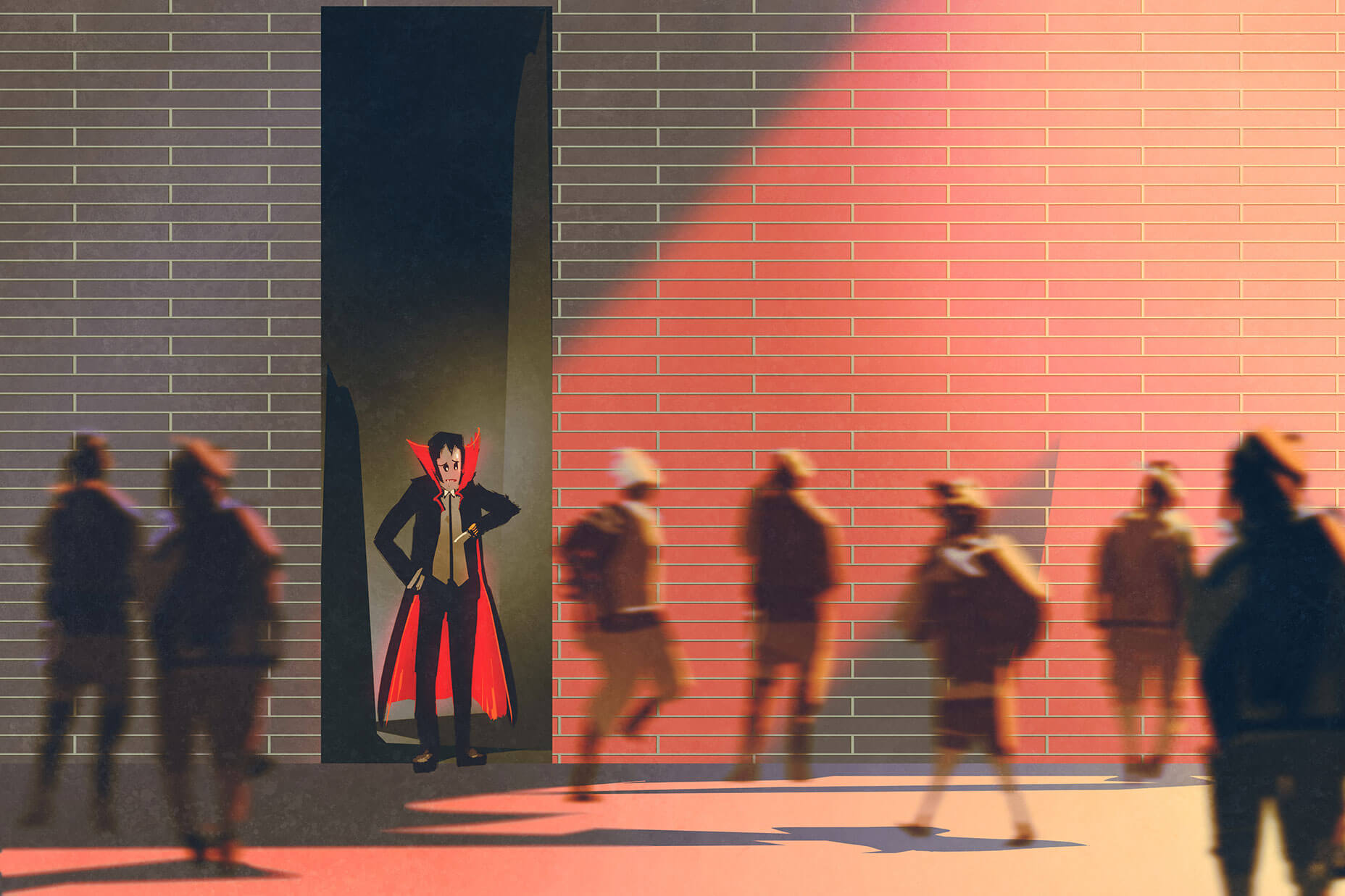
Inspired by horror, fantasy, and science fiction, illustrator Tithi Luadthong conjures up immersive and deeply compelling dreamscapes that tell intriguing stories.
The digital impressionist injects his images with a sense of dynamism and movement, transporting the viewer to a multitude of action-packed horror-themed scenarios, from a zombie apocalypse to a cave inhabited by a horned demon.
Read more about Tithi’s creative process in this interview with the Bangkok-based artist.
Explore the artist’s full collection of horror- and Halloween-themed content here.
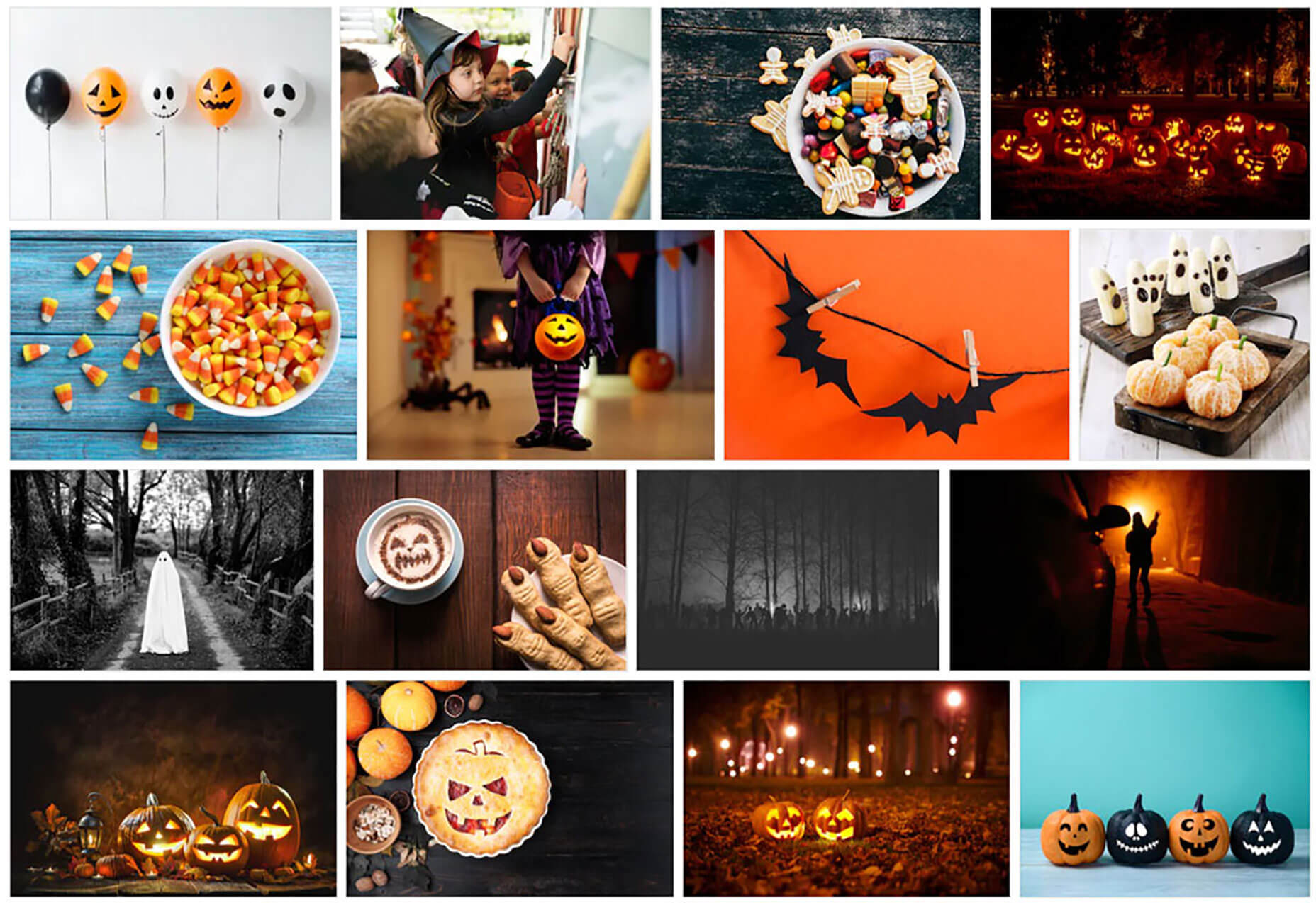
3. Halloween-Themed Curated Collection by Shutterstock
Whether you’re planning a Halloween party, creating a seasonal social media post, or designing a hair-raising webpage, the Shutterstock Halloween curated collection features everything you could need to realize your petrifying project.
From trick-or-treat portraits to ghostly collages, discover a wide range of images to suit every mood and every design this autumn.
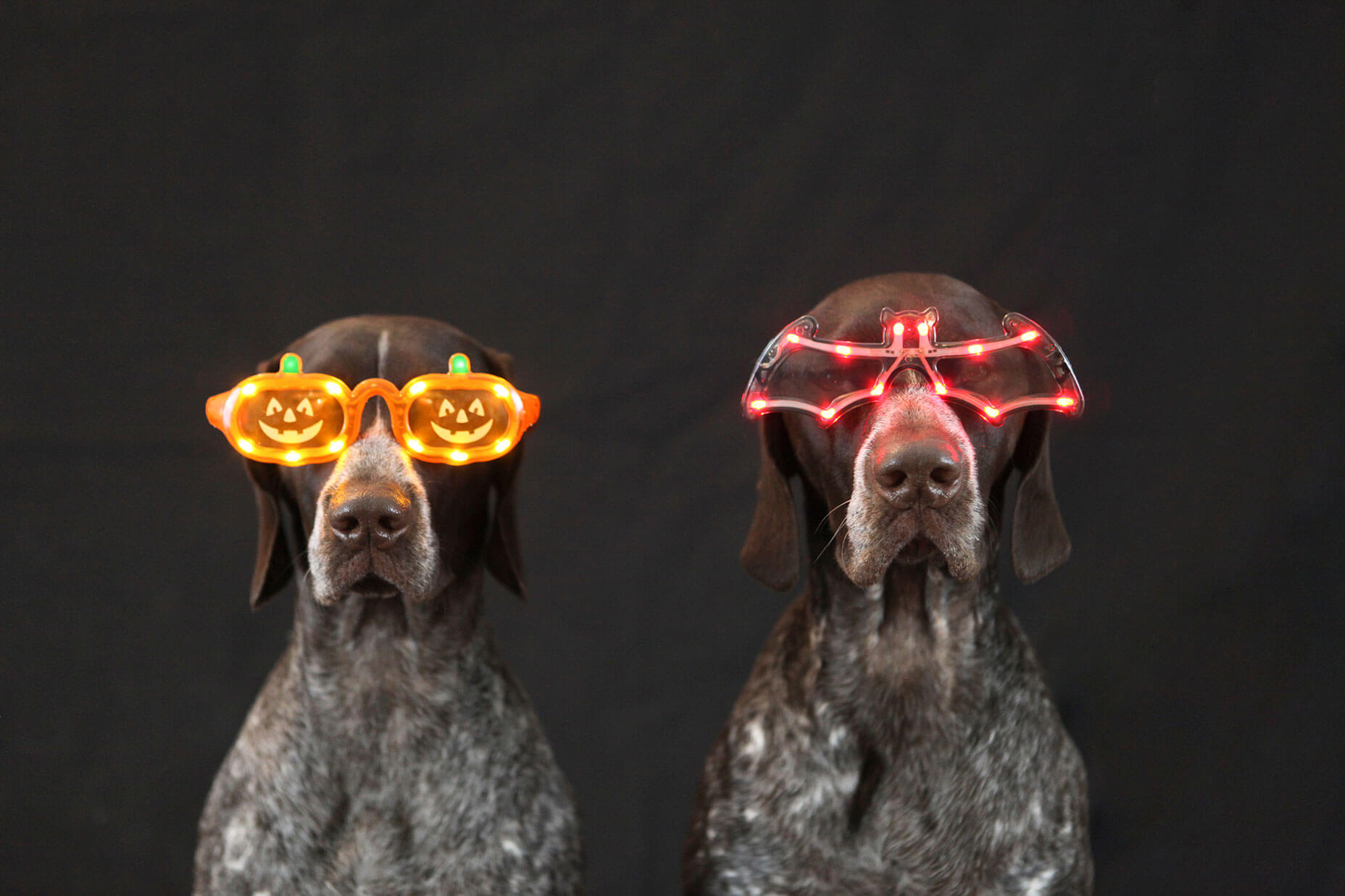
4. Animal Halloween Portraits by Kimberly Petts
Horror isn’t for everyone when Halloween rolls around. The holiday is just as much an excuse for indulging in some fun and frivolity.
Shutterstock contributor Kimberley Petts loves to give her animal portraits a spooky yet light-hearted twist. With an air of old-world painting styles, her images manage to balance a somber setting with witty subjects. We especially love her Rembrandt-influenced portraits of her two German Shorthaired Pointers, Branston and Twiglet.
Polish concept artist and digital painter Piotr Jabłoński has a cult following for his beautiful yet often disturbing images. His expertly executed digital illustrations see him turn his hand to depicting dark forests filled with mystical creatures, fantastical battle scenes, and freakish humanoid characters.
With a meticulous eye for detail, Jabłoński’s images explore themes of horror, the supernatural, and general weirdness. His ability to blur the lines between normality and fantasy in his subject matter makes his images not only unnervingly beautiful to look at, but unforgettable too.
Images by Piotr Jabłoński.
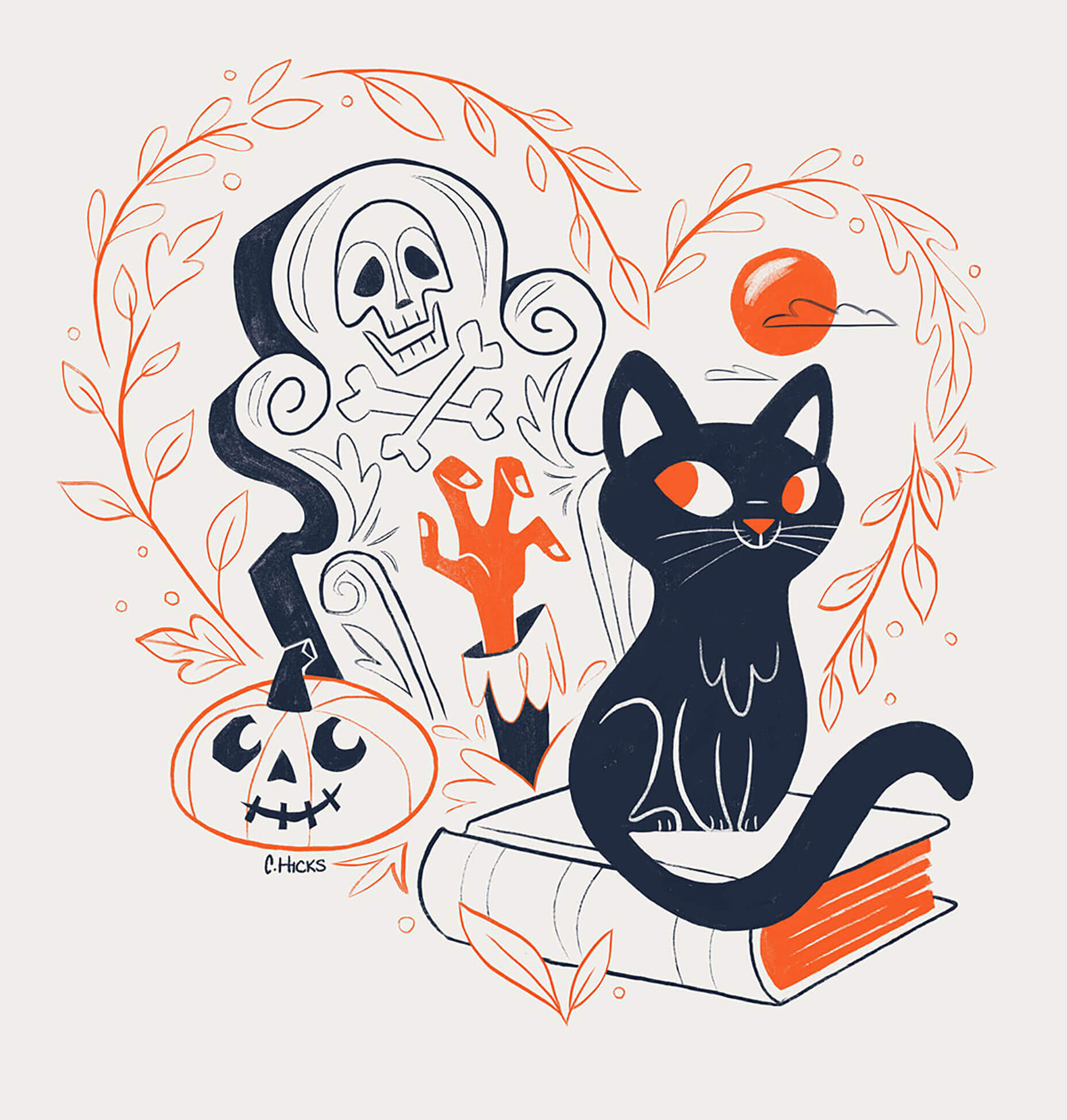
6. Cutesy Spooks by Caley Hicks
Florida-based illustrator Caley Hicks, aka There Will Be Cute, looks to vintage children’s illustrations to inform her adorable, retro-tinted drawings and patterns. Influenced by the golden age of Disney, Hicks applies her cute and perky drawing style to a range of seasonal subjects. With Halloween a favorite subject, Hicks depicts black cats, pumpkins, and headless horsemen in a midcentury-inspired palette of burnt orange, cream, and charcoal black.
With fans able to purchase cushions, phone covers, and even shower curtains from her online shop, this talented artist has honed a versatile style that works just as well in the home as it does on screen.
Images by Caley Hicks.
7. High Fashion Halloween by SunCity
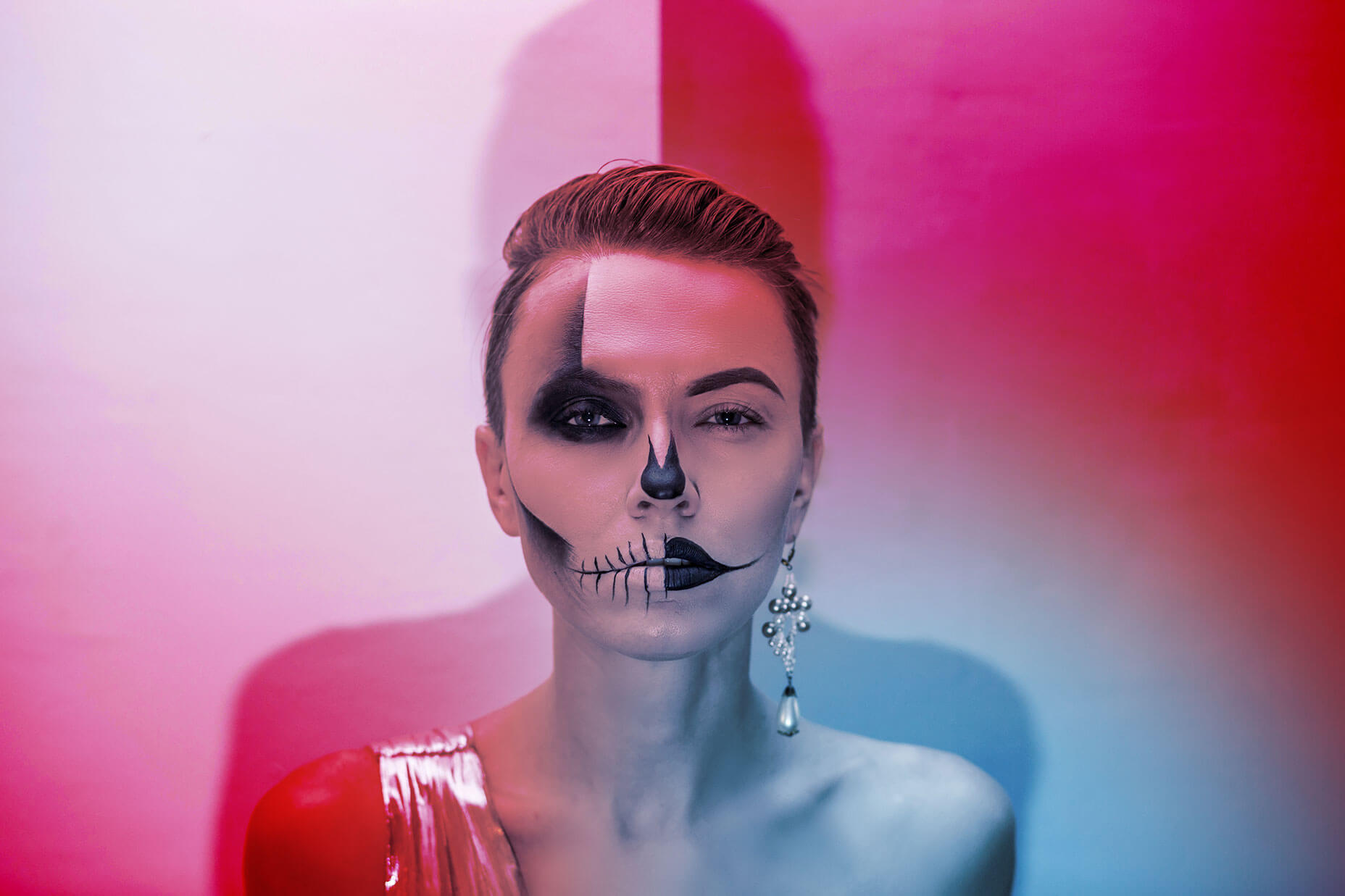
Halloween is a great excuse for getting dressed up and transforming yourself into a vampire, witch, or black cat. For the more fashionably-inclined, it’s also the perfect occasion to showcase your fabulous makeup skills.
Shutterstock contributor SunCity takes an ultra-stylish approach to the Halloween theme, casting his subject in dramatic colored lighting and experimenting with skeletal makeup, shadows, and blurring. The final result is a high-fashion take on the spooky holiday. These photos would be perfect for giving a Halloween-themed magazine layout or poster a high-fashion twist.
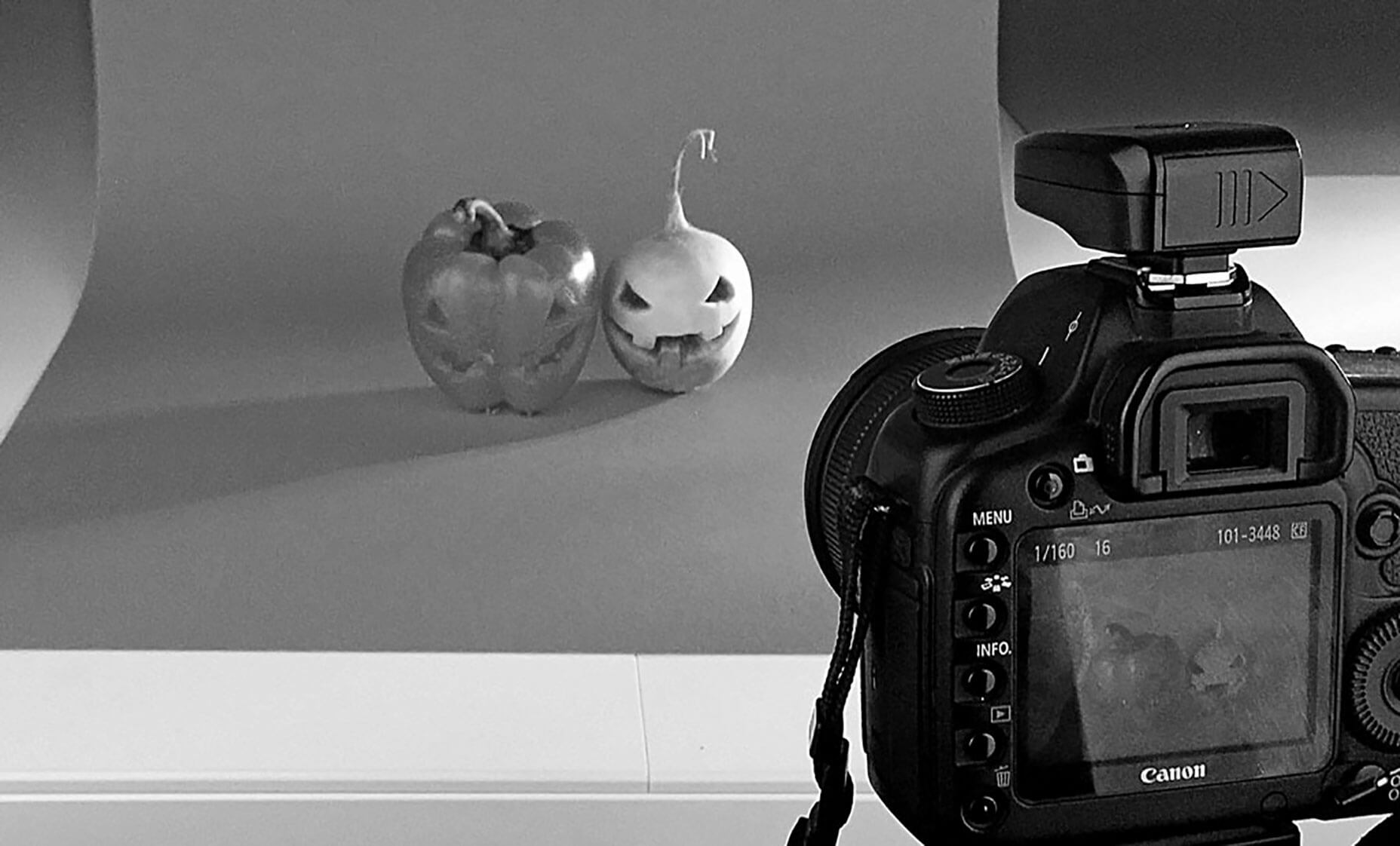
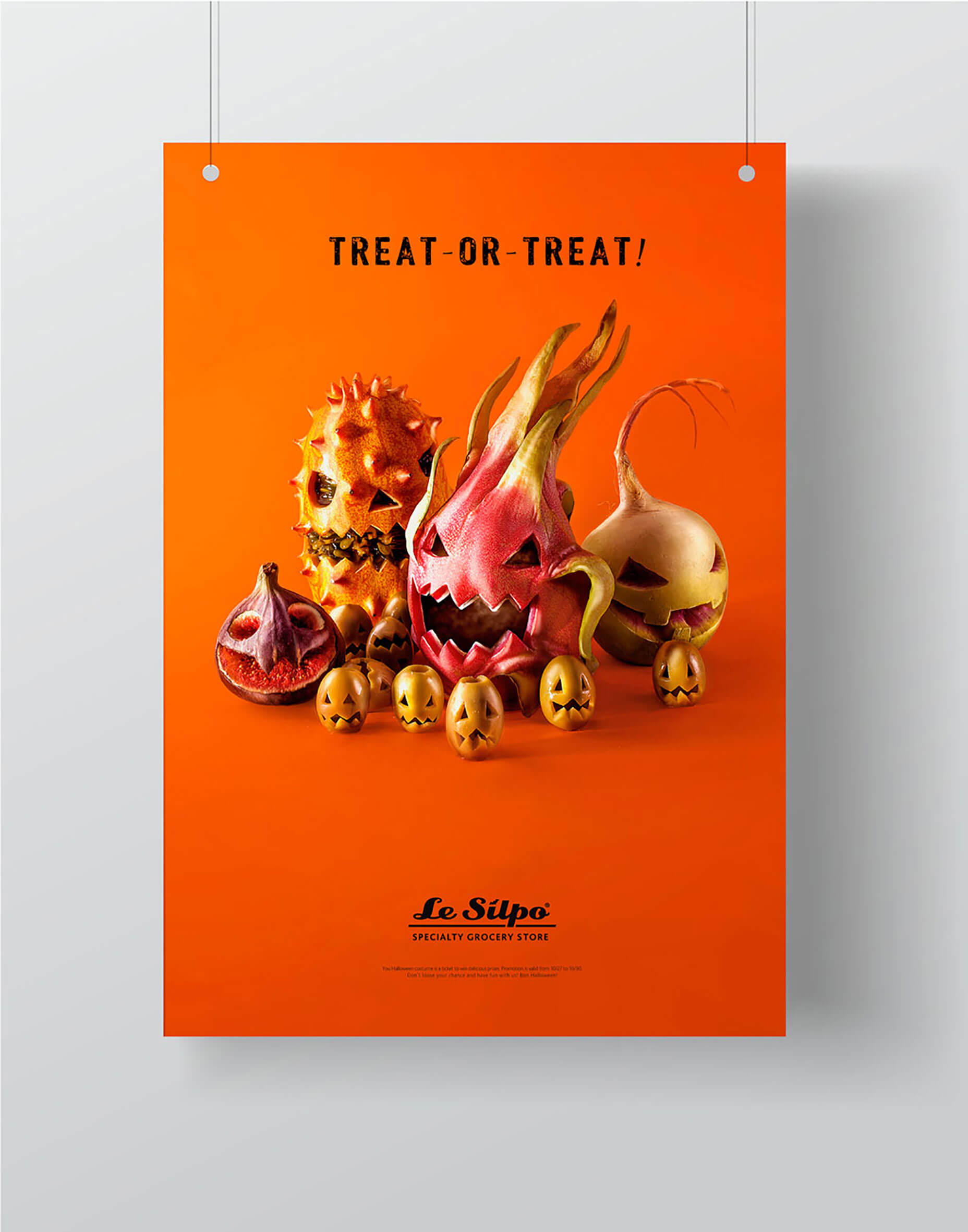
Who knew a fig could be so frightening? Kiev-based creatives Tough Slate Design gave this Halloween promo campaign for Le Silpo Specialty Grocery store a quirky twist using that most humble of foods — fruit and vegetables.
Carving frightening faces into turnips, peppers, and olives, then photographing them against a seasonal orange background, created a foundation for their “Treat-or-treat!” campaign. The idea behind the posters? With Le Silpo offering a wide range of delicacies in-store, it seemed bland and unoriginal to use a traditional Halloween pumpkin.
Striking the perfect balance between cute and creepy, the final poster is a lesson in discovering an unusual and offbeat angle for a seasonal campaign.
Poster design by Tough Slate Design for Le Silpo Specialty Grocery store.
9. Wall Art by Syda Productions
Simple cut-out shapes made from paper or card can be transformed into stylish and striking works of art with the right concept in mind. Here, Shutterstock contributor Syda Productions turns his hand to collage-style displays of swarming bats. Set against a minimal backdrop, the result is perfect inspiration for style-conscious decorators looking to add a touch of seasonal spirit to a home or office setting.
Why not try creating and photographing your own Halloween collage creations? Decorate a lonely wall with a flock of black crows or flurry of spider webs to conjure a spooky spirit on a budget.
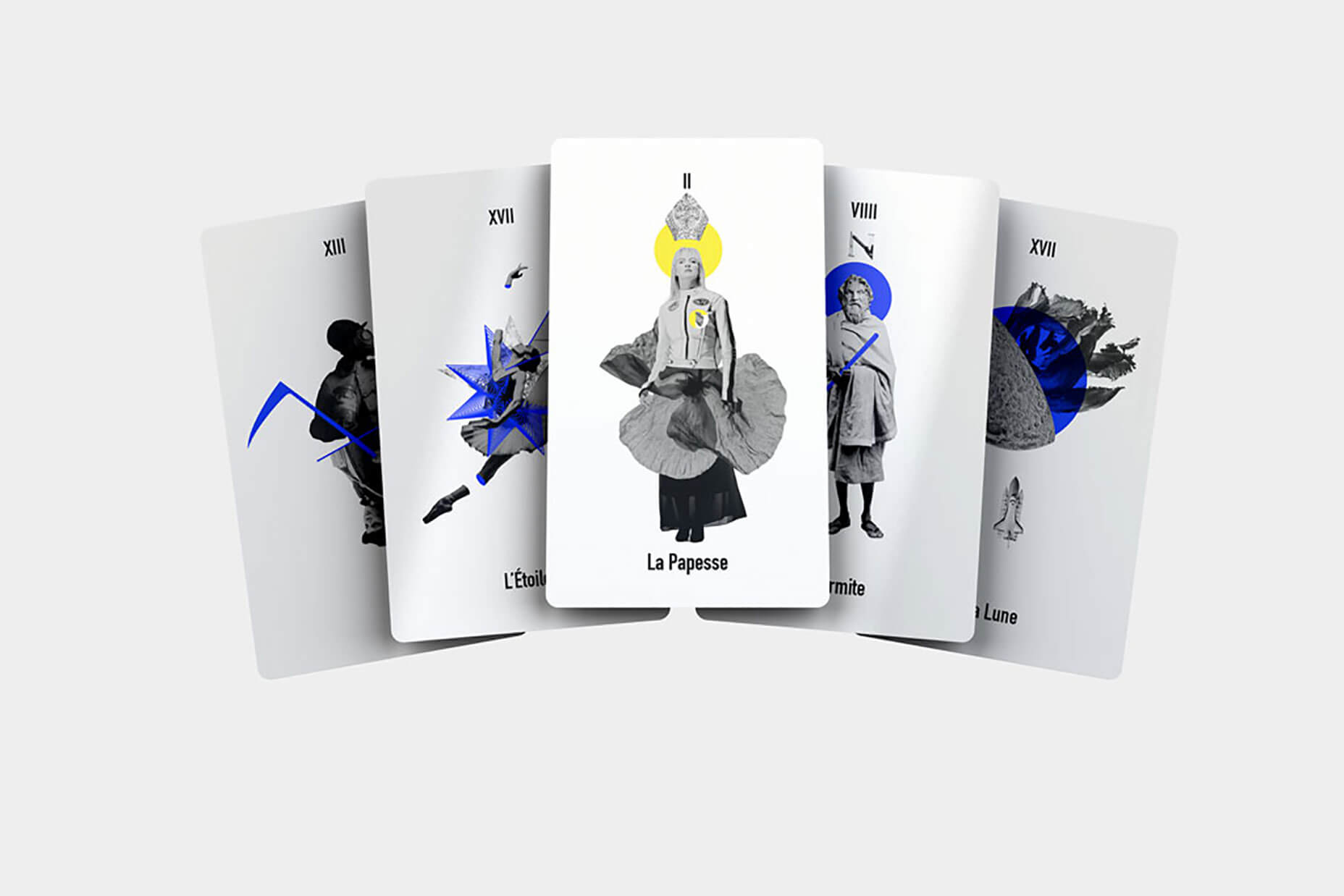
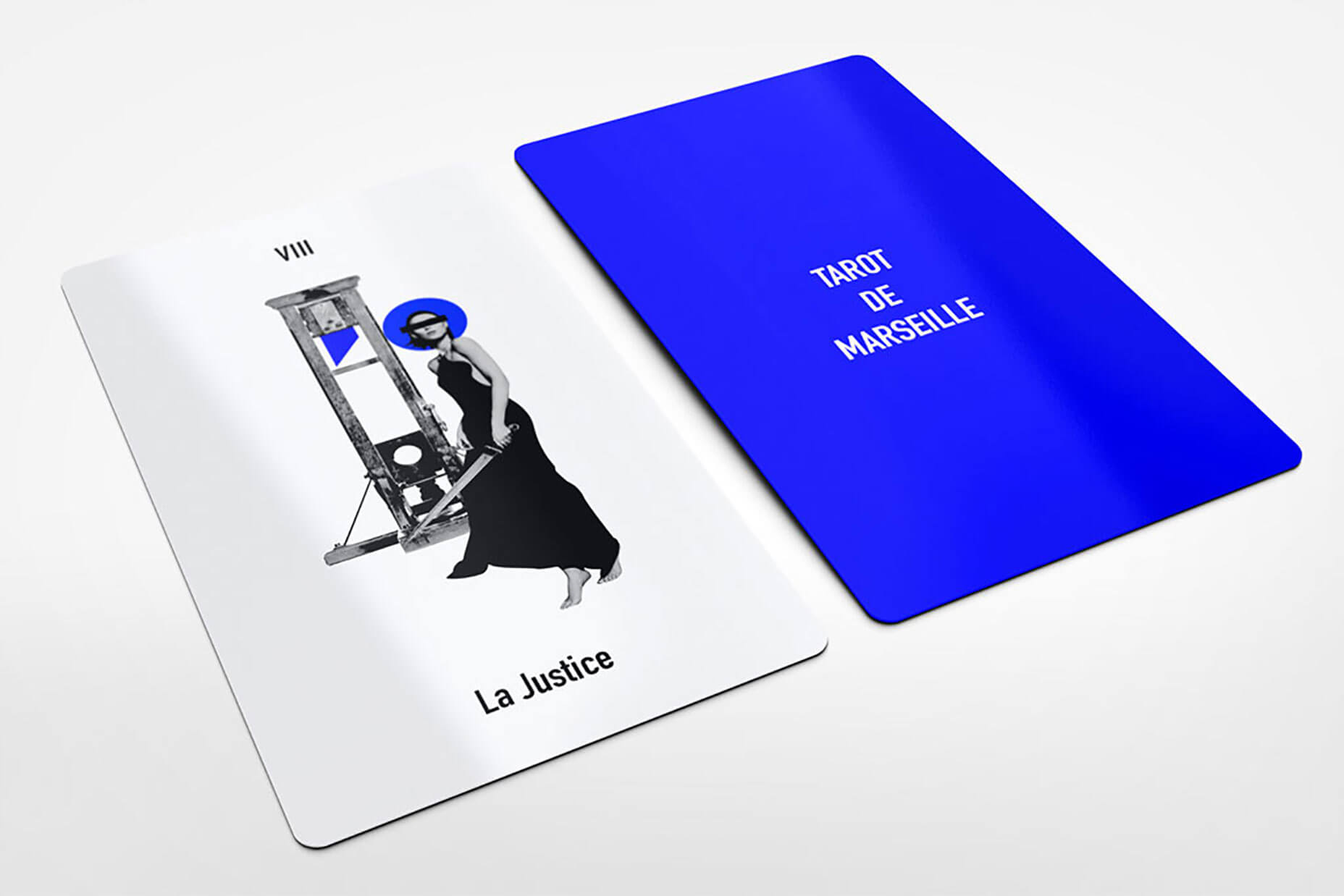
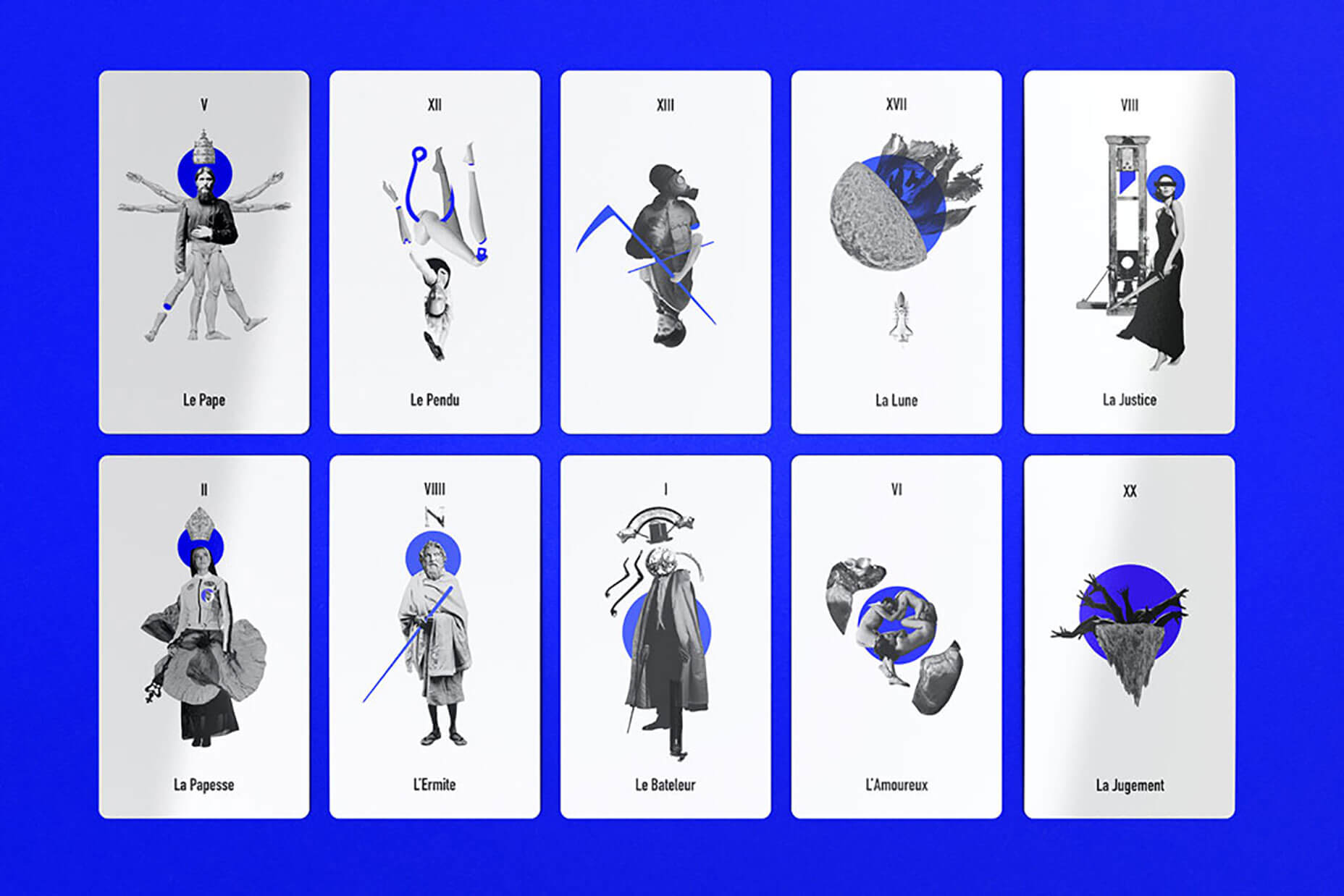
Fortune-telling is deeply connected with the Halloween season. A display of tarot cards across a dining table at a Halloween party is not only a decorative flourish, but is a lovely way of bringing a touch of mystery and spirituality to your event.
These modern and minimal tarot cards by Lille-based graphic designer Theo Boquet offer an ultra-stylish alternative to traditional tarot cards. The collage style mixes black-and-white figures from popular culture and artistic masterpieces with pops of vivid blue and yellow ink.
Boquet’s design is a great example of applying contemporary style to traditional subject matter, to create a hip fusion of old and new.
‘Tarot de Marseille’ card designs by Theo Boquet.
Creating a Halloween-Themed Design?
Discover frightening photos, kooky graphics, and supernatural video clips to use in your projects with the Shutterstock curated Halloween collection.

 Every week users submit a lot of interesting stuff on our sister site Webdesigner News, highlighting great content from around the web that can be of interest to web designers.


 As a web designer, you may be starting with little to no data of your own. It’s not until a website has launched (or relaunched) that you can start gathering real analytics on its performance. Even then, it can take awhile to draw any meaningful insights from it.






 Is the eerie spirit of Halloween haunting your designs? Find spooky inspiration in these ten ghoulish illustrations, videos, and photos.
 Celebrando a nuestros amados (celebrating our loved ones) • #DíaDeLosMuertos #ItsShutterstock _ [Link in Bio] _ #sugarskulls #dayofthedead #tradicionesmexicanas #cultura